Public Land Turkey Hunting: How to Kill Pressured Toms
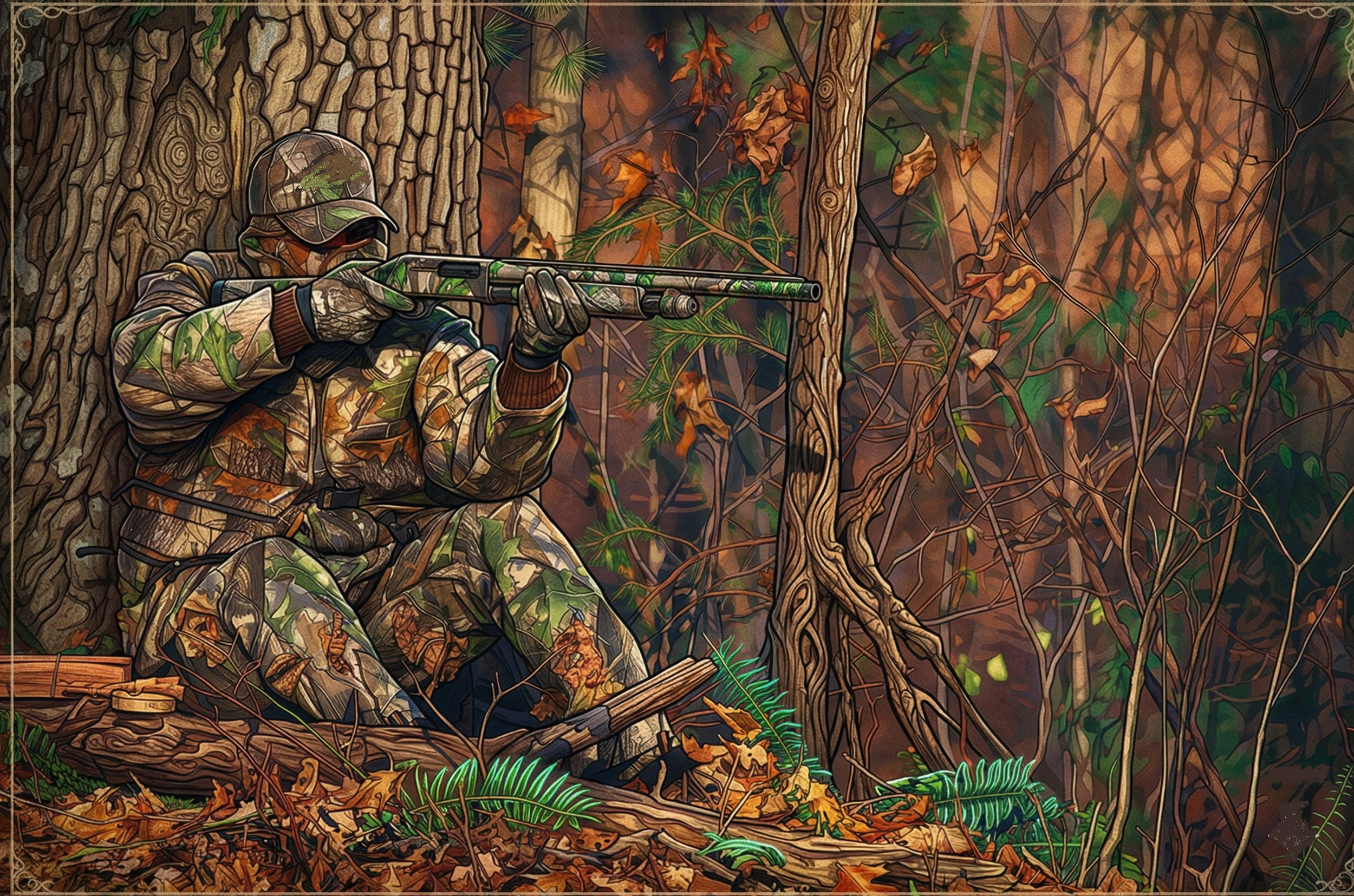
How to Kill Pressured Toms on Public Land
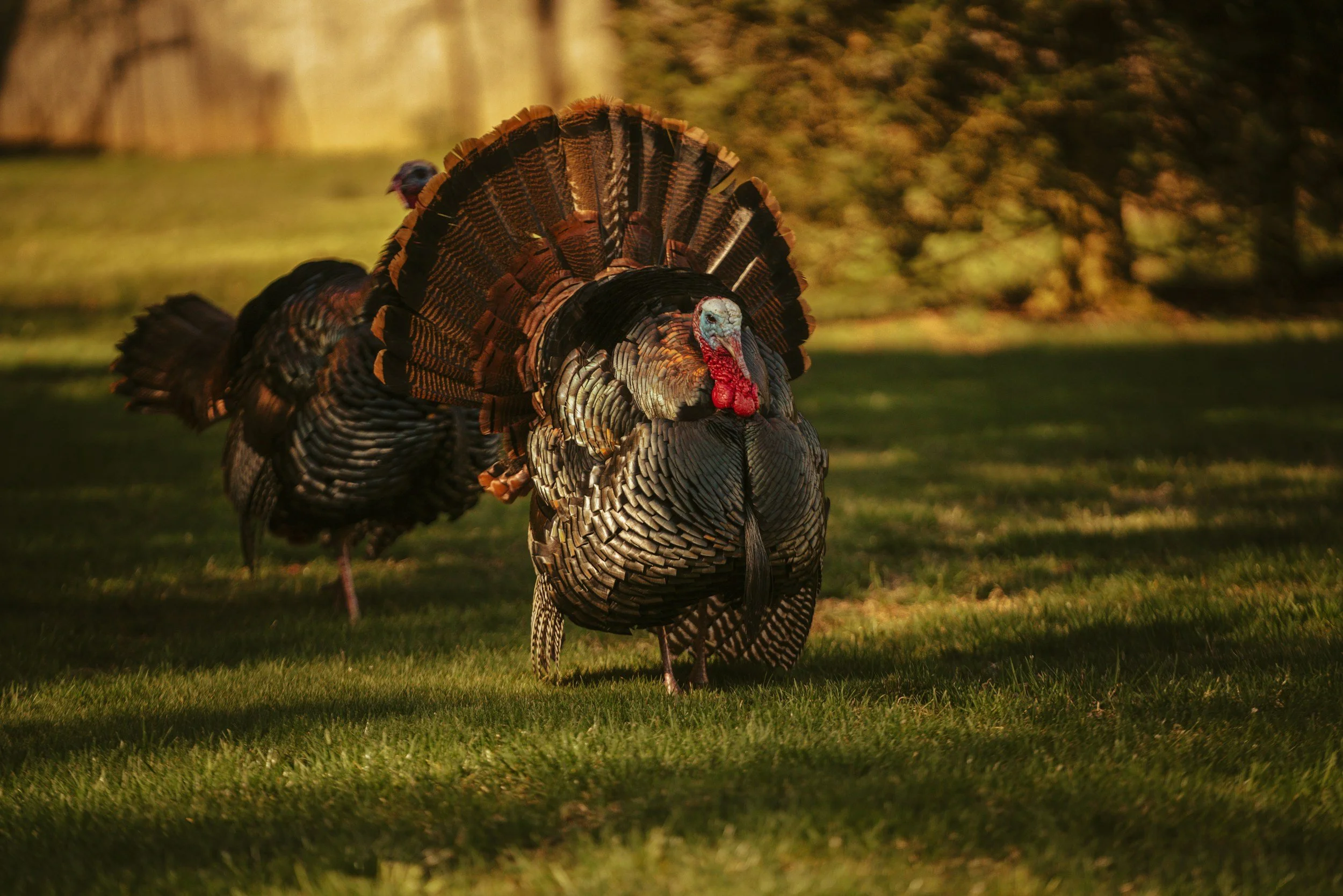
A pressured gobbler doesn't act like the birds you see on TV. He doesn't sprint into your decoy spread at 40 yards. He doesn't hammer back at every yelp you throw at him. He gobbles once on the roost, pitches down the opposite direction, and disappears into a drainage you didn't know existed. If you've hunted public-land turkey for more than one season, you've met this bird, and he's probably still alive.
Killing educated toms on public land requires a fundamentally different approach than what works on private ground or early in the season before pressure sets in. The tactics below aren't theoretical. They come from years of chasing the same birds that every other truck at the parking lot is chasing, and consistently tagging out when the woods go quiet.
Why Standard Turkey Tactics Fail on Pressured Public Land
Most turkey hunting advice assumes a cooperative bird. Set up, call, wait. That sequence works on a gobbler that hasn't been bumped off his roost three mornings in a row or had six different hunters throw slate calls at him from the same field edge.
Public land toms, especially after the first week of season, learn a specific pattern: the sound of a call followed by a motionless setup equals danger. They've been educated by every hunter who parked at the main access, walked 200 yards in, set up on the first ridge, and started hammering a box call at flydown. These birds aren't stupid. They're conditioned.
Your job is to break the pattern they've learned to avoid.
Step-by-Step: A Pressured Tom System That Works
Scout Before Season With Purpose
Don't just listen for gobbles during your pre-season scouting. Map the terrain. You need to know where birds roost, where they go after flydown, and critically, where other hunters set up. Mark trailhead parking areas on your onX Hunt app. Note boot tracks, ground blind locations, and field edges that get the most attention. The spots every hunter gravitates toward are exactly the spots you're going to avoid.
Walk ridgelines and creek bottoms during mid-morning in March and early April. Locate dusting sites, strut zones (look for drag marks in the dirt), and travel corridors between roosting timber and open feeding areas. Log all of it on your mapping app with waypoints. You're building an intelligence file on the landscape, not just listening for noise.
Change Your Access
The single biggest edge you can give yourself on public land is entering from a direction no one else uses. Most hunters walk in from established trailheads and work inward. Pressured gobblers learn to avoid those approach corridors within days.
Study aerial imagery and topo lines on onX Hunt to find alternate entries. Maybe it's a power line right-of-way on the back side. Maybe it's a creek crossing 400 yards downstream from the bridge everyone else uses. Maybe it's a logging road that dead-ends a half mile from the main parking lot, but connects to the same ridge system from the opposite side. The harder the walk-in, the fewer hunters, and the less educated the birds.
Get in early. Forty-five minutes before first light, minimum. If you're walking in at shooting light, you're already behind. Pressured birds gobble less on the roost, and when they do, it's brief. You need to be in position before they make a sound.
Call Less, Listen More
This is where most hunters on public land fail completely. They overcall. A pressured gobbler has heard aggressive yelping, cutting, and purring from every setup in the area. He associates that volume and frequency with danger.
Your first sequence of the morning should be soft. Two or three tree yelps before flydown, nothing more. If a bird gobbles, resist the urge to hammer back. Give him one soft yelp and then shut up. Let silence do the work. A tom that won't commit to aggressive calling will often walk quietly toward a hen he thinks is just out of sight, precisely because she's not making a scene.
If you don't hear a gobble at all, sit tight for at least 30 minutes after flydown and scratch leaves with your hand or the back of your call. Subtle, intermittent feeding sounds, a few soft clucks, a gentle purr, mimic a real hen better than any aggressive sequence.
Set Up Off the Obvious Spots
Where most hunters set up: field edges, food plot borders, road intersections, and open hardwood flats with good visibility.
Where pressured gobblers go: inside the timber, along benches halfway up a ridge, through saddles between two ridge points, and down into creek bottoms where they can travel without skylining themselves.
Set up 80 to 150 yards off the main travel routes other hunters use. Get into the terrain features, the inside corners, the small benches on steep hillsides, and the pinch points between two drainages. Use your topo map to identify terrain funnels: places where the ridge narrows, where two hollows converge, or where a strip of mature timber connects two larger blocks. These are the travel lanes that pressured birds default to because they offer cover and escape routes.
Be Willing to Reposition
Static setups kill more unpressured birds than they kill educated ones. If you've been sitting for 90 minutes without hearing a sound, move. Not to another road or parking lot, deeper into the cover.
When you reposition, go slow. Take 50 to 75 steps, stop, scan, and listen for five minutes. If you hear drumming or spot movement, drop immediately and set up right there. Pressured gobblers often close distance silently, no gobbling, no drumming, you can hear beyond 75 yards. A slow creep through likely habitat lets you intercept birds that aren't announcing themselves.
The Afternoon Shift
Most public land turkey pressure is concentrated between 5:30 AM and 10:00 AM. By noon, the parking lots are empty. That's when pressured gobblers start to loosen up.
Afternoon hunting, where legal, is one of the most underutilized tactics on public land. Toms that were lockjaw all morning will start gobbling again between 2:00 PM and roosting time. Set up near known roost areas, strut zones, or field edges with fresh sign. Call softly every 20 to 30 minutes. Afternoon gobblers are often henned-up toms who've bred and are now looking for company again, and they're more responsive because they haven't been pressured for six hours straight.
Check your state regulations. Some states allow all-day hunting, while others restrict hours to morning only or close turkey hunting at noon or 1:00 PM.
A Real Scenario: Creek Bottom Tom in Southeast Ohio
Late April, second week of Ohio's spring season. The main parking lot at a Wayne National Forest tract had four trucks in it by 5:00 AM. I'd scouted the area two weeks earlier and marked a roost site 600 yards east of a creek, accessible from a township road a half mile south, a route no one was using because it required crossing a knee-deep creek in the dark.
I crossed the creek at 4:45 AM, worked up the east-facing slope, and set up on a small bench 80 yards below the ridgetop. At 5:50 AM, one gobble. Just one. Then silence. Three other hunters on the west side of the ridge started calling aggressively. I could hear at least two box calls and a slate working hard.
I did nothing. Sat against an oak with my Vortex Diamondback HD 10x42 binoculars in my lap, shotgun on my knee, and waited. At 6:20 AM, I caught movement below me, a tom walking the creek bottom, heading south, away from the calling. He was doing exactly what pressured birds do: going the opposite direction from the noise.
I gave one soft cluck. He stopped. I clucked once more and scratched the leaves. He turned and walked uphill toward me, completely silent. No gobble, no drum. At 30 yards, he hit a small opening. I could see his beard dragging the ground, and I took the shot. That bird had been bumped by the same hunters from the same side three mornings running. He'd learned the pattern. I just gave him a different one.
When to Use These Tactics
These approaches work best in specific conditions:
Season timing. After the first week of any public land turkey season. Early-season birds are often still responsive to standard tactics; save the pressure strategies for when the woods have been hammered.
Weather. Overcast, drizzly mornings are ideal for pressured birds. Rain keeps casual hunters home, which means less pressure. Gobblers are also more likely to move through open areas during low-light conditions.
Terrain. Hilly, timbered country with drainages and mixed cover gives you the most options for alternate access and unconventional setups. Flat, open public areas with limited cover are harder. Pressured birds on flat ground tend to hang up at extreme range because they can see so far.
Species. Eastern wild turkeys are the most susceptible to pressure conditioning because they inhabit the most heavily hunted regions. Merriam's and Rio Grande birds in western states face less concentrated pressure, though the same principles apply in walk-in areas near population centers.
Gear That Matters for Pressured Birds
You don't need a truck full of equipment. But a few specific items make a measurable difference.
Mapping app. onX Hunt is non-negotiable. The property boundary layers keep you legal on public parcels with confusing borders, and the satellite imagery lets you scout access routes from your couch. [Try onX Hunt free for 7 days]
Binoculars. A compact pair like the Vortex Diamondback HD 8x32 lets you glass timber edges and creek bottoms without moving. On pressured birds, spotting a tom at 200 yards before he sees you is the difference between a filled tag and a busted setup.
Calls. Keep it simple. A quality pot call with a wood peg for soft, raspy yelps. The Woodhaven Ninja is a go-to for quiet, realistic tones. A mouth call for hands-free work when a bird is closing. Skip the loud box call on pressured birds entirely.
Decoys. On pressured public land, decoys can hurt you more than help. Every other hunter is using them, and educated toms learn to hang up at the sight of a motionless fake hen at 60 yards. If you do use one, go with a single feeding hen, no jakes, no full-strut toms. Better yet, leave the decoys in the truck and rely on calling and position.
Seat or pad. You're going to sit longer than you think. A quality vest with an attached lightweight chair like the ALPS OutdoorZ NWTF Grand Slam keeps you comfortable and still during the long waits pressured hunts demand. Fidgeting and shifting kill more turkey hunts than bad calling.
What Most Hunters Get Wrong
Overcalling
This is the number one mistake. Pressured gobblers don't respond to volume; they respond to silence and subtlety. If a bird gobbles once and shuts up, your instinct says call louder and more aggressively. That instinct is wrong. He heard you the first time. He's either coming quietly or he's not coming at all. Adding more calling only confirms his suspicion that something isn't right.
Hunting the Same Spots Everyone Else Hunts
Walking 200 yards from the parking lot and setting up on the first good-looking ridge isn't a strategy; it's convenience. Every other hunter does the same thing. Pressured birds learn to avoid those setups within days. Put in the extra distance. Cross the creek. Climb the steep side. If you're comfortable, you're probably not far enough from the truck.
Not Staying Long Enough
Most hunters move on after 30 to 45 minutes of silence. Pressured gobblers can take two hours to commit. They circle downwind, approach from unexpected directions, and close the last 100 yards in absolute silence. If you picked a good spot based on solid scouting, trust it. Sit there until at least 1000 AM before repositioning.
Advanced Tactics for Experienced Hunters
Run-and-Gun in the Timber Interior
Once you've identified where pressured birds travel mid-morning, typically through interior timber, along benches, and through saddles, use an aggressive mobile approach. Move through these corridors slowly, calling every 100 to 150 yards with a single series of soft yelps, then sitting for 10 to 15 minutes. You're not trying to pull a bird to you from a distance. You're trying to bump into one that's already moving through the same cover.
The Two-Day Setup
Hunt a specific bird's pattern over consecutive days without trying to kill him on day one. Day one is pure observation. Note what time he flies down, which direction he goes, where he ends up by 9:00 AM, and what terrain features he uses. Day two, set up directly on his travel route before he gets there. This is patience-intensive, but it's deadly on that one bird nobody else can figure out.
Roost Ambush at Last Light
The evening before your morning hunt, slip into the area and listen for birds flying up to roost. Don't call. Just note the tree, the direction the bird faces on the limb, and the terrain below. The next morning, set up 100 yards downhill of the roost tree in the direction you expect him to pitch, which is almost always downhill and into an opening. Be in position an hour before first light and do not make a sound until he's on the ground.
Frequently Asked Questions
How Do You Know if a Tom Is Pressured?
A pressured tom gobbles infrequently, often once or twice on the roost, then goes silent. He tends to move away from calling rather than toward it. He may hang up at 80 to 100 yards and refuse to close the distance. If birds in your area were responsive early in the season and have gone quiet, pressure is almost certainly the cause.
Should You Use a Gobble Call on Public Land?
Generally, no. Gobble calls on public land create two problems: they can pull other hunters toward your position, which is a safety concern, and pressured toms often retreat from gobble calls because they associate aggressive tom sounds with competition they've learned to avoid. Stick with hen sounds, and keep them quiet.
What Time of Day Are Pressured Toms Most Active?
Mid-morning (9:00 to 11:00 AM) and late afternoon (2:00 to 6:00 PM, where legal) tend to be the windows when pressured birds let their guard down. Most hunter activity is concentrated around flydown, so the later you're willing to hunt, the less competition you'll face.
How Far Should You Walk In on Public Land to Avoid Other Hunters?
There's no magic number, but data on GPS-tracked hunter movements suggests that most public-land hunters stay within a quarter mile of road access. Getting a half mile or more from a trailhead puts you past the majority of the competition. On flat terrain, that number drops; even 400 yards off the road can make a difference if you use terrain or water crossings to access areas others skip.