Top Whitetail Outfitters in Iowa: Best Guided Hunts and the DIY Alternative
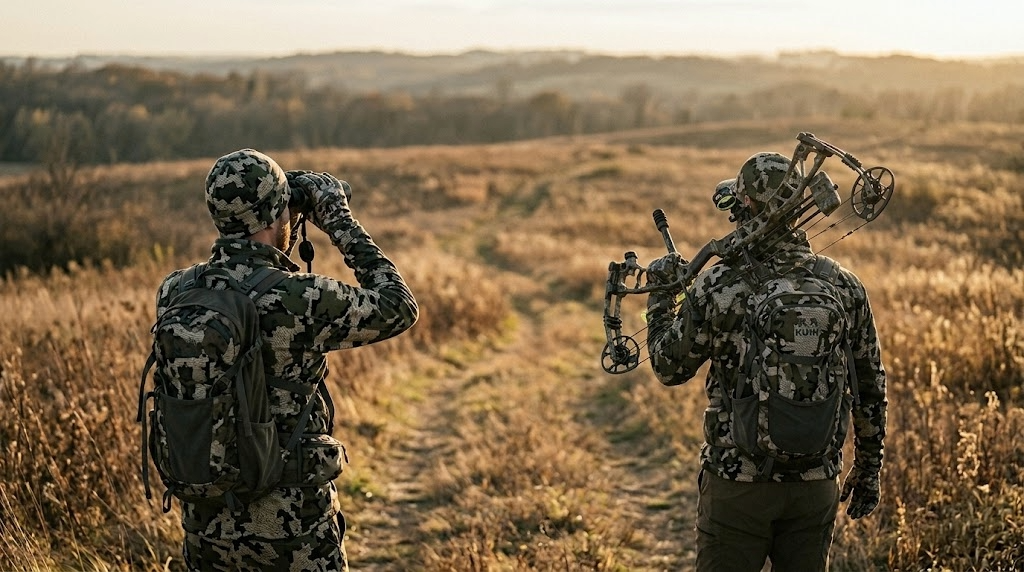
If you're chasing a 150-class buck or better, Iowa keeps showing up on every serious whitetail hunter's list. Southern Iowa's farm country, river bottoms, and CRP-rich timber grow some of the heaviest-antlered deer in North America, and the state's tightly managed nonresident tag system keeps hunting pressure low compared to neighboring states. The catch? Drawing a tag takes patience, and once you've got one in hand, you're choosing between a guided hunt with an established outfitter or going it alone on Iowa's public ground. Both paths can produce. The right choice depends on your budget, your expectations, and how much time you've got to scout.
Why Iowa Produces So Many Trophy Whitetails
Three things stack up in Iowa's favor.
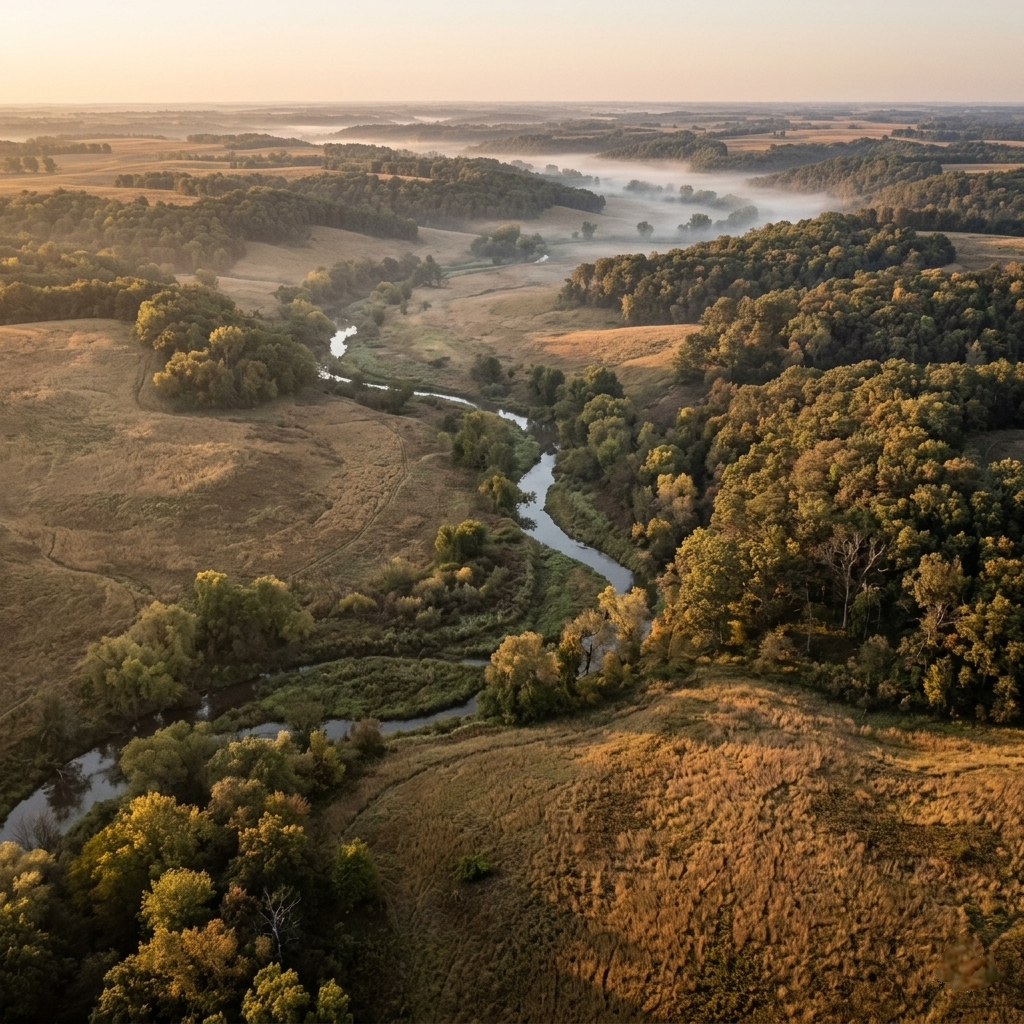
First, the nutrition. Corn and soybean fields stretch from county line to county line, feeding deer year-round through standing crops, waste grain, and field edges. Bucks in this kind of nutritional environment hit their genetic potential faster than deer in big timber states.
Second, the herd structure. Iowa has run a tight, conservative tag system for decades. Resident pressure is moderate, nonresident pressure is capped, and bucks routinely live to 4.5 and 5.5 years old. That's where the heavy headgear comes from.
Third, the genetics. Southern Iowa's deer have been throwing big antlers for as long as records have been kept. Lucas, Monroe, Appanoose, Decatur, Wayne, Davis, Van Buren, and Allamakee counties all sit on the short list of B&C-producing counties nationwide. If you want a real shot at a 160-class buck, very few states give you better odds.
What to Look for in an Iowa Whitetail Outfitter
Iowa has more outfitters than most hunters realize, and quality varies widely. Before you put down a deposit, run through this checklist.
Green Lights
Long-tenured operations. An outfitter who's been booking hunts for 10+ years has weathered bad seasons, EHD outbreaks, and changing tag allocations. Stability matters.
Owned ground or long-term leases. Outfitters working the same farms for years know where the bedding is, where the rut funnels run, and which stand pulls in which wind. A short-term leaseholder is starting from scratch every fall.
Conservative hunter-to-acre ratios. The best Iowa outfitters cap their hunters per week so individual farms don't get burned. Running 8 or 10 hunters at once on the same cluster of farms means you're hunting pressured deer.
References they hand out willingly. A reputable outfitter will give you contact info for past clients without hesitation. Call those references. Ask what didn't go well, not just what did.
Honest expectation-setting. The outfitters worth your money tell you that some weeks bucks move and some weeks they don't. They won't promise a 170 every trip.
Red Flags
Vague websites with stock buck photos and no farm-specific information. If they're not showing trail-cam content from their actual farms, they may not have the access they're claiming.
Pressure to book multiple seasons or send a deposit before you've vetted them. Take your time.
No clear policy on weather days or unfilled tags. Iowa weather can shut down a hunt week. Ask up front what happens if you sit through three days of 70-degree heat or a blizzard.
Guaranteed-shot promises on a specific class of deer. No legitimate outfitter guarantees that. The ones that do are either fenced operations or aren't telling you the whole truth.
Top Whitetail Outfitters in Iowa
Iowa fully-guided whitetail hunts generally run $4,500 to $9,000 depending on season, lodging, and trophy management. Semi-guided and DIY-with-access hunts come in lower. Always confirm current rates directly with the outfitter, because pricing shifts year to year.
The operations below are well-established with consistent client reviews. Where I don't have direct knowledge of the outfit, I'm flagging that.
Iowa Trophy Hunts
Location: Multiple zones across Iowa
Website:iowatrophyhunts.net
Best for: Hunters who want a hands-on owner-operator experience
Run by Nathan Askew since 2005, Iowa Trophy Hunts has built a near 100% rebooking rate, with most hunts reserved two or more years in advance. Archery hunters are looking at a minimum of six preference points to plan a trip with them. Askew operates across multiple locations in Iowa and is personally on most hunts. The trade-off is availability. If you want to hunt with him, you're planning years out.
Timberghost
Location: Southern Iowa
Website:timberghost.com
Best for: Hunters who want a high-end lodge experience alongside the hunt
Timberghost has built its reputation on top-tier accommodations, an on-site chef, and a guide team that scouts and manages habitat year-round. Reviews lean as heavily on the lodge experience as on the hunting itself. If you're bringing a non-hunter spouse or a hunting party with mixed experience levels, the amenities here are well above average.
Oxbow Ridge Outfitters
Location: Decatur County, Iowa (Zone 4) and Northern Missouri
Website:oxbowridgeoutfitters.com
Best for: Trophy-focused hunters who want owned, intensively managed ground
Oxbow Ridge takes a select number of clients each year on farms that are largely owned rather than leased, with years of habitat improvement work behind them. All Iowa farms sit in Decatur County, squarely in Iowa's premier trophy zone. They also run hunts in northern Missouri, useful if you've already drawn an Iowa tag and want to extend the trip across the state line.
MDL Outfitters
Location: Zones 5 and 6, Southern Iowa
Website:huntiowawhitetails.com
Best for: Bowhunters who want to be involved in hunt planning
MDL is archery-only, with a hybrid semi-guided/DIY model. Clients get aerial maps, trail-cam access from June through season's end, and meaningful input into stand selection. They cap hunters at two or three per week per hunt type, which keeps farms under light pressure. They target a 150-inch gross B&C minimum. If you want to participate in your hunt rather than be pointed to a stand, this model is for you.
BBD Outfitters
Location: Stockport, Iowa (southeast Iowa)
Website:bbdoutfitters.com
Best for: Hunters who want a family-oriented operation
Big Buck Down (BBD) Outfitters runs a smaller, family-style operation in southeast Iowa. Active social presence with current trail-cam content year-round, which gives prospective clients a real look at what's walking the farms. Worth a call if you want a less corporate feel.
Iowa Whitetail Outfitters
Location: Iowa
Website: iowawhitetailoutfitters.com
Best for: Repeat clients looking for a relationship-based outfitter
Run by Brenton and Rachel, this operation has produced quality deer across multiple seasons for both bow and gun hunters. Enclosed heated tree stands during late-season firearm hunts are a comfort feature most Iowa outfitters don't offer. Strong on returning-client retention.
Chariton Valley Outfitters
Location: South Central Iowa (Zone 5) and North Central Missouri
Website:charitonvalleyoutfitters.com
Best for: Hunters wanting Zone 5 access with year-round local guides
Chariton Valley's guides live in the area they hunt, which means real, year-round scouting rather than seasonal drop-ins. Their lease portfolio sits in the heart of Iowa's record-book country. Both deer and turkey hunts available, which makes for a logical multi-trip relationship.
The DIY Alternative: Stephens State Forest
If you'd rather skip the outfitter fee and put your boots on public ground, Iowa offers some of the best public land whitetail hunting in the Midwest. The catch is the work. You're scouting on your own time, finding overlooked spots, and dealing with whatever pressure shows up.
The strongest single recommendation for a nonresident DIY hunt is Stephens State Forest.
Stephens spans more than 15,500 acres across seven units in Lucas, Monroe, Appanoose, Clarke, and Davis counties (Zone 5). Lucas County alone has produced over 70 B&C-qualifying entries in the last five years, per Iowa DNR. The forest is a mix of hardwood timber, brushy draws, creek bottoms, and CCC-era plantings.
The biggest single block, the Whitebreast Unit southwest of Lucas, requires roughly a one-mile walk from the road to reach the heart of it. That walk is your friend. Most Iowa public land hunters don't venture more than 400 yards from the parking lot.
Access Tips for Stephens State Forest
Vehicles aren't allowed off designated roads, so plan your stand-to-truck drag carefully. Snowmobiles are permitted on designated trails for late-season retrieval if there's snow on the ground.
Camp at the non-modern campgrounds in the Lucas and Whitebreast Units. Pit toilets, no electricity, equestrian-friendly sites available. If you want a real bed, motels in Chariton or Centerville put you within 20 minutes of the units.
The Cedar Creek, Chariton, and Thousand Acres Units northeast of the main complex get less first-shotgun-season pressure and offer good archery and late-season opportunities.
Use onX Hunt to mark unit boundaries before you set foot in the woods. Iowa public land lines aren't always obvious in the field, and a trespass citation will end your trip fast. For deeper e-scouting and property analysis on any Iowa public block, the Hunting Scout app pulls aerial layers, terrain, and habitat data into one workflow before you ever leave home.
For comprehensive tactics on hunting Stephens and other Iowa public ground, see our Iowa public land hunting guide.
Other Strong Iowa Public Land Options
Shimek State Forest (Zone 6, 9,000 acres in Lee and Van Buren counties) is the next strongest call. The Big Timber, steep terrain, and the Donnellson and Lick Creek Units are the most remote.
Yellow River State Forest (Zone 1, 8,500 acres in Allamakee County) sits in legendary trophy country. Steep, rugged, and physically demanding. Allamakee consistently ranks among Iowa's top B&C-producing counties.
Loess Hills State Forest (9,200 acres across Harrison and Monona counties) offers prairie-and-timber habitat with rugged terrain that pushes pressure off the back side of the units.
Trip Planning for Iowa Whitetail Hunts
License Costs and the Draw
Per the Iowa DNR, a 2026 nonresident deer hunting application breaks down as:
Hunting license: $131
Habitat fee: $15
Any-sex tag and antlerless combination: $498
Total: $644 plus application fees
Preference points cost $60.50 if you don't draw or choose to point-build for a future season.
The application window runs from the first Saturday in May through the first Sunday in June. For 2026, that's May 2 through June 7. Successful applicants receive their licenses by mail in August.
Iowa runs a true preference point system. Archery tags are capped at 35% of the total nonresident allocation, and that cap has pushed archery draw odds harder than firearm draw odds. Recent draw cycles have run roughly 4 to 6 points for archery and 1 to 3 points for firearm, with variation by zone. Plan a multi-year point-building strategy. The hunters' drawing tags started building points 4 to 6 years ago.
Best Timing
Archery: Early October through early December covers the pre-rut through the peak rut. The first three weeks of November are the strongest single window in Iowa.
Shotgun: Iowa runs two five-day shotgun seasons in early and mid-December, plus early and late muzzleloader seasons. First shotgun sees the heaviest hunter pressure, but bucks are still moving. Second shotgun and late muzzleloader work well for hunters who don't mind cold weather and shorter daylight.
Late muzzleloader: Late December through mid-January often produces the largest-antlered bucks of the season, because pressure drops and bucks return to food sources after firearm seasons close. This is the sleeper window most nonresidents overlook.
Travel Logistics
Most hunters fly into Des Moines (DSM) or Cedar Rapids (CID), depending on which zone they're hunting. Outfitters in southern Iowa generally pick up clients from DSM. Driving in from neighboring states is straightforward, with Iowa's road grid making most counties reachable within 30 to 45 minutes of a major highway.
For nonresident gun hunts, plan to ship your firearm or fly with it via your airline's policy. A hard case, a TSA-approved lock, and unloaded ammo in checked luggage is the standard.
For DIY hunters, budget for the $644 license, plus $50-$150/night for lodging, $30-$50/day for food, and fuel for daily scouting drives between units. A weeklong DIY trip costs around $1,200 to $1,800 all-in if you're staying in motels, less if you're camping. For boot-and-glass needs, consider Danner Pronghorn for general southern Iowa terrain and Vortex Diamondback HD 10x42 for picking apart timber edges at first and last light.
Frequently Asked Questions
How long does it take to draw an Iowa nonresident deer tag?
Firearm tags currently take 1 to 3 preference points to draw. Archery tags take 4 to 6 points in most zones, with some zones harder than others. Plan on a 3 to 5-year point-building horizon if you're starting from zero.
Are Iowa whitetail outfitters worth the cost?
For a hunter with limited time and one tag in hand after years of point-building, a reputable outfitter can be worth the spend. The trade-off is direct access to managed ground, scouted stands, and someone who knows the deer. If you've got time to scout and the patience to learn a public unit, DIY can produce equally well at a fraction of the cost.
When is the best time to hunt whitetails in Iowa?
The first three weeks of November produce the most consistent rut activity. Late muzzleloader season (late December into January) is the sleeper season for big bucks, especially after firearm pressure has pushed deer back to their food sources.
What's the best public land for whitetails in Iowa?
Stephens State Forest in Zone 5 offers the largest contiguous public land complex in southern Iowa's premier deer country. Shimek State Forest (Zone 6), Yellow River State Forest (Zone 1), and Loess Hills State Forest in western Iowa round out the strongest public land options.
Can I hunt Iowa whitetails without a guide as a nonresident?
Yes. Once you've drawn a nonresident any-sex tag, you can hunt any open public land in your assigned zone. Pair the Iowa Public Hunting Atlas with onX Hunt to identify legal access boundaries before you head out.
Subscribe below for free state-by-state public land hunting guides delivered to your inbox, including a downloadable Iowa public access map with every state forest and WMA marked, plus the rut-window calendar I use to time my own trips.
