Hunting Outfitters: Reviews, Destinations, and the DIY Alternative

Choosing an outfitter is one of the biggest financial and time commitments in hunting. Get it right and you come home with a lifetime memory, a wall-hanger, and a booking on the calendar for next year. Get it wrong and you burn a week of vacation, a five-figure deposit, and a chunk of your hunting fund for nothing.
How the reviews work
This section reviews outfitters by state, species, and hunt style. Each review walks through what the operation actually delivers versus what the marketing says. Location, terrain, camp quality, guide-to-hunter ratio, average trophy quality, hunt-season timing, price points, what's included versus what costs extra, and the honest red flags to watch for. If an outfitter runs 20 hunters through one bunkhouse and everyone hunts the same set of stands, that's in the review. If a guide has been running the same country for 15 years and can put you on mature animals when the wind switches on day three, that's in the review too. The full library lives in Field Notes.
Destinations covered
Coverage runs across the major hunt destinations. Whitetail outfitters in the Midwest farm country and the southeastern bluff belt. Western elk operations from Colorado and Wyoming to New Mexico and Arizona. Mule deer in the Great Basin and the Dakotas. Waterfowl operations on the Arkansas rice, the Illinois river, and the Chesapeake. Alaska brown bear, moose, and sheep. Turkey grand-slam outfitters. Canadian and international trips as bookings warrant. For fair-chase standards and the record-book context that matters when a trophy is on the line, the Boone and Crockett Club maintains the definitive North American records and ethics guidance.
The DIY public land alternative for every hunt
Every outfitter review also includes the DIY public land alternative. If you'd rather save the deposit and hunt the same country on foot, we tell you the specific WMAs, national forest units, or public river corridors where you can pursue the same species on your own permit. The U.S. Forest Service visitor system covers 193 million acres of national forest ground, most of which is open to hunting under state regulations. Advocacy groups like Backcountry Hunters & Anglers exist to protect that DIY tradition, and their state chapters are worth joining if you plan to hunt public ground regularly. Our State Guides directory shows the DIY option alongside every guided operation covered.
What to look for in an outfitter
What to look for in an outfitter is its own topic. Articles cover the questions to ask on a booking call, the references worth checking, the deposit terms and cancellation policies that matter, licensing help, and the tipping conventions that make you a good client. Outfitters remember who tipped well and who left the camp cleaner than they found it. Booking a repeat trip with the same outfit gets you the best guides and the best stands.
Browse the outfitter reviews below by species or destination, or open a state guide to see the DIY option alongside every guided operation covered.
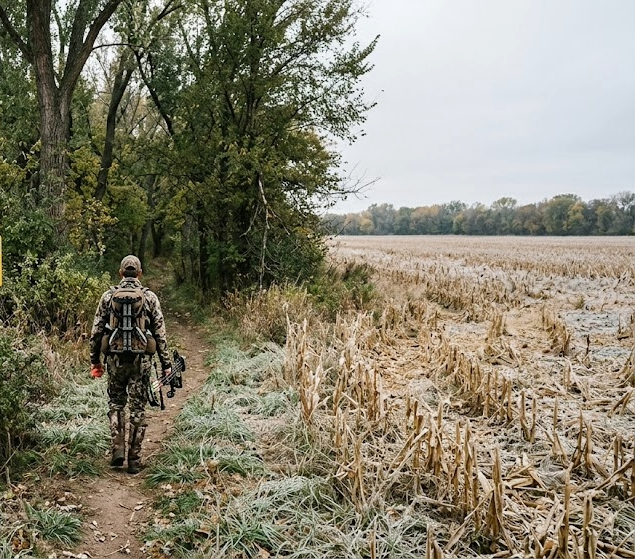
Top Whitetail Outfitters in Kansas: Who's Worth Your Money and Who's Not
Kansas produces more 170-plus class free-range whitetails than any state except Iowa, and unlike Iowa, non-resident archery tags are over the counter. That makes Kansas the most popular destination for guided whitetail hunting in the country. Here are the top whitetail outfitters Kansas has to offer, what separates good operations from bad ones, honest pricing, and the DIY public land alternative that costs under $1,500 for a two-week hunt on the same caliber ground.
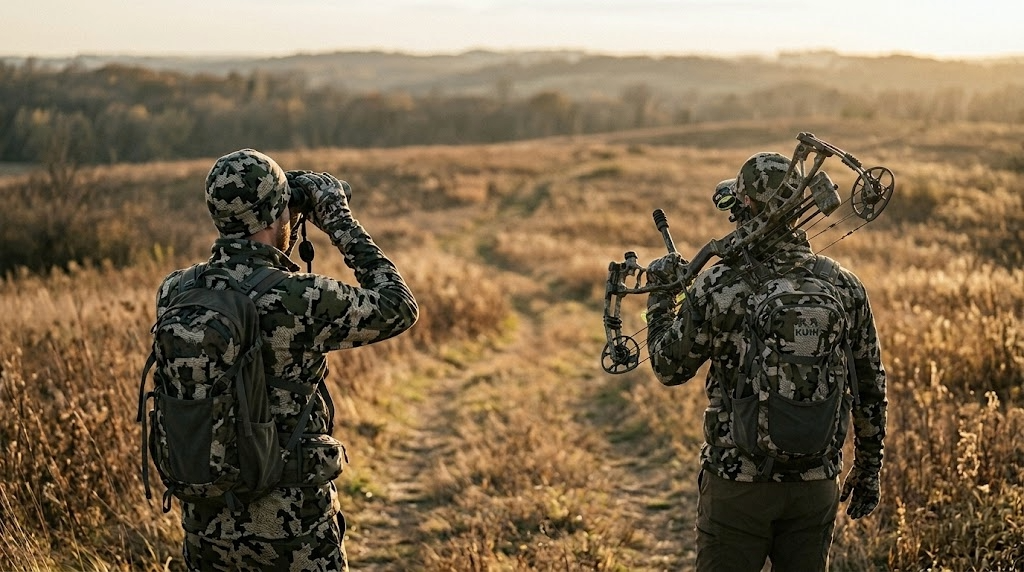
Top Whitetail Outfitters in Iowa: Best Guided Hunts and the DIY Alternative
Vetted reviews of Iowa's top whitetail outfitters with real pricing, preference point timelines, and the DIY public land alternative for hunters who'd rather work for it.