Top Whitetail Outfitters in Kansas: Who's Worth Your Money and Who's Not
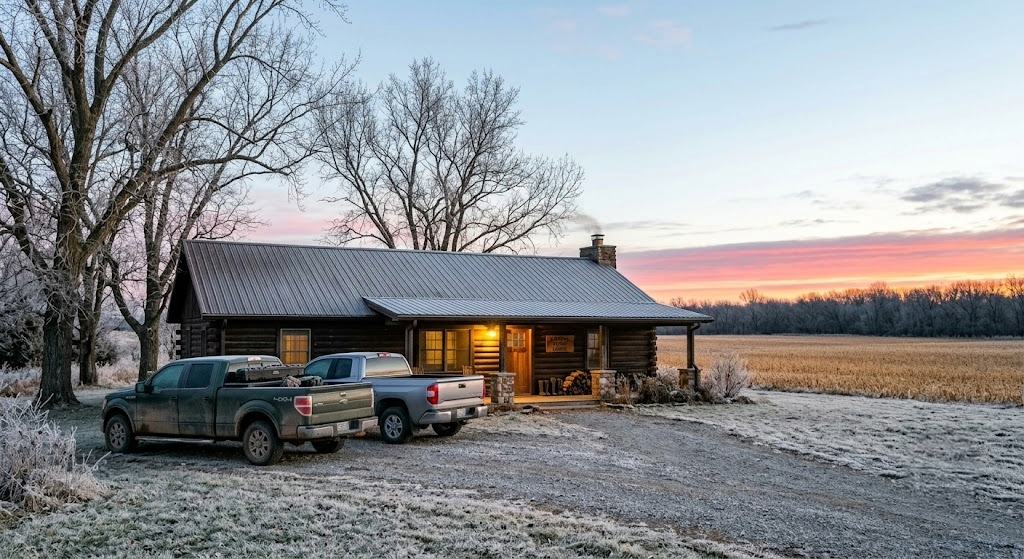
Kansas produces more 170-plus-class whitetails on free-range ground than any state except Iowa, and unlike Iowa, you don't need to wait five years for a tag. Non-resident archery permits are over the counter. The rut peaks in mid-November, right in the middle of archery season. And the river bottom corridors that hold the state's best deer create the kind of terrain that puts mature bucks within 25 yards of a well-placed stand.
That combination makes Kansas the most popular destination for guided whitetail hunting in the country. It also means the outfitter market is crowded, and separating the operations that deliver from the ones that overpromise takes work. A five-day guided Kansas whitetail hunt runs $3,000 to $7,500 depending on the outfitter, the timing, and the weapon. At those prices, choosing the wrong outfitter is an expensive lesson.
Here's how to evaluate the top whitetail outfitters Kansas has to offer, identify the specific operations worth looking at, and consider the DIY public-land alternative for hunters who'd rather do it themselves.
What to Look for in a Kansas Whitetail Outfitter
Green Flags
Controlled acreage with documented management. The best Kansas outfitters control 10,000 to 30,000 acres under private leases and manage them with food plots, trail cameras, and harvest restrictions that allow bucks to reach 4.5 years old and beyond. Ask how many acres they run, how many hunters per week they book, and what their minimum antler requirement is. A 140-inch minimum and a low hunter-to-acre ratio (one hunter per 2,000 to 3,000 acres) are strong indicators.
High return-booking rate. An outfitter where 70 to 85 percent of clients rebook for the following year is telling you something no marketing page can fake. Hunters don't come back to operations that disappoint.
Transparent pricing. The total cost should be clear before you book: hunt fee, lodging, meals, in-field transportation, trophy care, and what happens if you don't harvest. Outfitters who bury fees in the fine print are the ones you hear about on forums afterward.
References from recent clients. Not testimonials on the website. Actual phone numbers or email addresses of hunters who've been there in the last two seasons. Call them. Ask what went well and what didn't.
Red Flags
No minimum antler standard. An outfitter who lets clients shoot every 120-class buck that walks by is burning through their deer herd for volume. That's fine if you're happy with a 120, but it means the 150-plus class deer won't be there when you show up.
Vague acreage claims. "Thousands of acres" without a specific number means they don't want you doing the math on how many hunters per acre they're booking. Push for specifics.
No refund policy on undrawn tags. Kansas non-resident firearms permits are drawn. A legitimate outfitter refunds your deposit (or rolls it to next year) if you don't draw. If they keep your deposit on an undrawn tag, walk away.
Trail camera photos that all look like the same three bucks. Ask how many individual bucks over 140 inches their cameras documented last season. If the answer is vague, the herd quality is vague too.
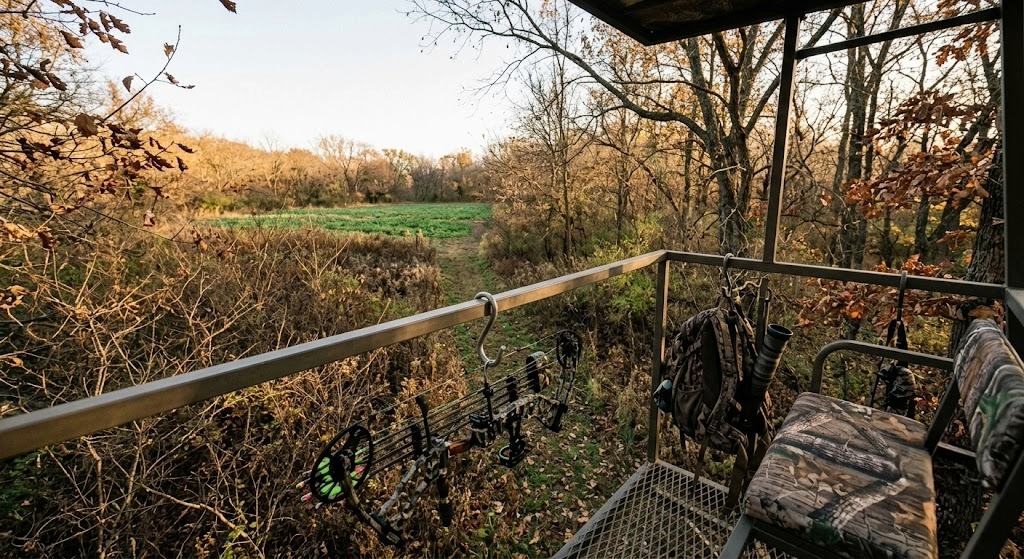
Top Whitetail Outfitters in Kansas: 7 Operations Worth Your Attention
1. Midwest Whitetail Adventures
Location: Republican River valley, north-central Kansas (Units 4, 6, 7, 8, and 14)
Acreage: 30,000+ private acres
Price range: $4,500 to $5,000 for a 5-day hunt (archery rut hunts at the top end)
Hunt types: Archery, muzzleloader, rifle
What sets them apart: Midwest Whitetail Adventures runs one of the largest acreage operations in the state with a strict 140-inch minimum and a 4.5 year age requirement. Their 85 percent return-booking rate is one of the highest in Kansas and tells you everything about the client experience. The Republican River valley is one of the state's best deer corridors, and the operation has been running long enough to have multi-year management data on the herd. Numerous Pope and Young and Boone and Crockett bucks have come off their properties. The $1,000 penalty for shooting under the 140-inch minimum keeps hunters honest, which keeps the deer herd strong.
2. Hunt Hickory Creek
Location: Elk, Chautauqua, Cowley, and Greenwood counties, southeast Kansas
Acreage: 28,000 acres
Price range: $3,500 for a 7-day hunt package
Hunt types: Semi-guided archery, muzzleloader, rifle
What sets them apart: Hunt Hickory Creek delivers one of the best values in guided whitetail hunting Kansas has to offer. The 7-day all-inclusive package at $3,500 per hunter is significantly below the market average for Kansas outfitters with comparable acreage. Semi-guided means you're placed on pre-scouted stands and receive in-field support, but you're not sitting with a guide at your elbow all day. For experienced hunters who don't need someone telling them when to draw, the semi-guided format is the right balance of support and independence. Over 300 stand locations across 28,000 acres means low per-stand pressure.
3. 10 Gauge Outfitters
Location: Central Kansas
Acreage: Not publicly specified, but the operation manages habitat and limits clients per season
Price range: $5,000+ for 5-day rut hunts
Hunt types: Archery, rifle
What sets them apart: 10 Gauge runs a low-volume operation that limits the number of clients per season rather than maximizing bookings. Their reported success rates (90 percent on rifle hunts, 70 percent on archery) are among the highest in the state. The 160-inch-and-up expectation they set with clients is realistic based on their trail camera documentation. The lodge experience is polished, with meals, lodging, and in-field transportation included. This is a premium operation at a premium price, and the product matches. Not the cheapest Kansas hunt, but one of the most consistent.
4. Scattered Acres Outfitting
Location: Palmer, north-central Kansas (Unit 8)
Acreage: Private leases across north-central Kansas
Price range: Mid-range (contact for current rates)
Hunt types: Archery-only hunts on dedicated properties, rifle and muzzleloader hunts on separate properties
What sets them apart: Scattered Acres is a family-owned operation that runs separate properties for archery and firearms hunters, which means bow hunters aren't competing with rifle pressure on the same ground. That's a meaningful advantage that most Kansas outfitters don't offer. The north-central Kansas location puts you in prime agricultural deer country with the creek bottom and hardwood draw habitat that holds big bucks. They also run pheasant hunts and fishing trips on Milford Lake, which makes them a good fit for multi-species combo trips.
5. Rader Lodge
Location: Glen Elder, north-central Kansas (Unit 8)
Acreage: Private leases in Mitchell County
Price range: Mid-range (contact for current rates)
Hunt types: Semi-guided archery, muzzleloader, rifle
What sets them apart: Rader Lodge has been operating since 1986, which makes them one of the longest-running outfitters in Kansas. That longevity means they've built relationships with private landowners over decades, securing access to ground that newer operations can't reach. The Glen Elder area along the Solomon River corridor produces deer that carry both whitetail and occasionally mule deer genetics. The lodge also runs pheasant, turkey, and waterfowl hunts, making it a multi-season destination. Hunters report regularly seeing 15 to 20 bucks per day on good days during the rut.
6. J&M Whitetail Outfitters
Location: Chautauqua and Elk counties, southeast Kansas
Acreage: 21,000+ acres
Price range: Premium (contact for current rates)
Hunt types: Archery, muzzleloader, rifle
What sets them apart: J&M operates in the cross-timbers region of southeast Kansas where the terrain is heavier timber, oak flats, cedar draws, and river bottoms. This is more like hunting in the Ozarks than the wide-open farm country most people picture when they think Kansas. The 21,000 acres of long-term private leases are managed with a focus on growing free-range, fair-chase whitetails to their full potential. The diversity of terrain (mature timber, cedars, river bottoms, brushy hedgerows, ag fields, CRP grass) gives the guides options for matching hunters to the right stand based on wind and deer movement.
7. Land of Giants
Location: Southeast Kansas
Acreage: 30,000+ acres
Price range: Premium (contact for current rates)
Hunt types: Archery, muzzleloader, rifle
What sets them apart: Land of Giants runs one of the biggest acreage operations in the state with over 30,000 acres. The southeast Kansas location puts you in some of the most heavily timbered terrain in the state, and the operation has built its reputation on consistent opportunities at deer in the 140 to 180 class. The typical hunt starts Sunday afternoon with orientation, trail camera review, and gear prep, then runs five full hunting days. The large property base means the guides have the flexibility to move hunters to fresh stands based on daily wind and deer activity.
The DIY Alternative: Kansas Public Land and WIHA
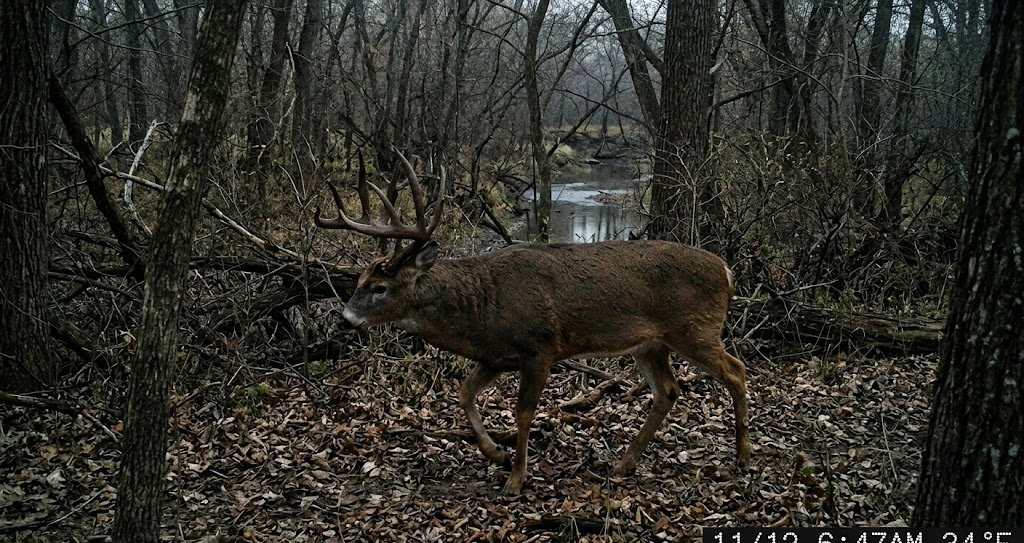
Not every Kansas whitetail trip needs an outfitter. The state's WIHA (Walk-In Hunting Access) program enrolls over a million acres of private land for free public walk-in access every year, and the permanent wildlife areas around the major reservoirs hold deer that compete with anything the outfitters are hunting.
The best DIY Kansas deer hunt is a two-week archery trip timed to the first two weeks of November. Target WIHA tracts in the northeast river corridor counties (Riley, Pottawatomie, Marshall, Nemaha, Brown, Doniphan, Atchison) where creek-bottom timber runs through enrolled agricultural land. The deer on these tracts feed on the same corn and beans that grow outfitter-class deer, and the timber corridors create the same natural funnels.
Specific public areas worth targeting for a DIY trip:
Milford Wildlife Area (18,500 acres, Geary County). Republican River bottom timber with excellent deer.
Tuttle Creek Wildlife Area (12,500 acres, Riley/Pottawatomie counties). Big Blue River corridor with timbered draws and field-edge funnels.
Perry Wildlife Area (11,000 acres, Jefferson County). Delaware River corridor near Lawrence/Topeka. Better on weekdays during archery.
Fall River Wildlife Area (13,200 acres, Greenwood County). Southeast Kansas cross-timbers with terrain features like Ozark hunting.
E-scout your WIHA targets before the trip using onX Hunt and satellite imagery. Filter for tracts with timbered creek corridors, not just CRP grass. For property-level terrain analysis, Hunting Scout builds interactive scouting reports from real USGS data for any WIHA tract or wildlife area. Three free reports per month.
The total cost of a DIY Kansas archery deer trip runs roughly $340 for the non-resident archery permit, $100 for the hunting license, $500 to $1,000 for lodging (campground or small-town hotel for 10 to 14 nights), and travel. Under $1,500 total for a two-week hunt on ground that grows the same caliber of deer the outfitters charge $5,000 to access. The trade-off is effort. You scout, set up, and pack out your own deer. Nobody holds your hand. For hunters with the skills and the time, the DIY value is hard to beat.
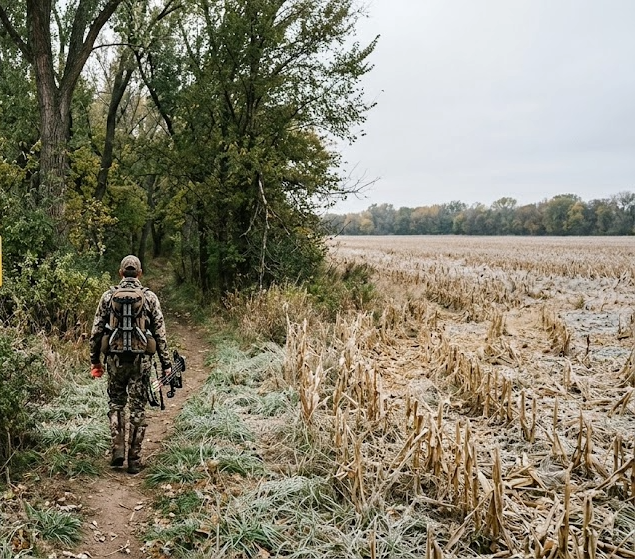
Trip Planning: Logistics for a Kansas Whitetail Hunt
License Costs (Non-Resident, 2026)
Non-resident hunting license: $97.50
Non-resident archery deer permit: $342.50 (over the counter)
Non-resident firearms deer permit: $442.50 (draw required, apply in April)
Total for archery: $440
Total for firearms: $540 (if drawn)
Best Timing
The first two weeks of November are the money window. The rut peaks November 10 through November 20 in most of the state, and the archery season covers this entire period. Pre-rut chasing starts in late October. Post-rut activity carries into early December. If you book with an outfitter, the November 1 through November 14 dates book first and command the highest prices. If you're flexible on timing, late October (pre-rut) and early December (late season near feeders) are the same outfitters at lower rates.
Travel Logistics
Fly into Kansas City (MCI) for northeast Kansas hunts, Wichita (ICT) for central and south-central hunts, or drive. Most outfitters provide airport pickup or are within a 2 to 3 hour drive of a major airport. If you're driving from the eastern half of the country, Kansas sits within a long day's drive of most Midwest starting points. Bring your own bow. Ship your rifle if flying. Kansas allows both archery and firearms hunting on the same trip if you hold the appropriate permits.
Frequently Asked Questions
How much does a guided Kansas whitetail hunt cost?
A five- to seven-day guided whitetail hunt in Kansas runs $3,000 to $7,500 depending on the outfitter, the timing (rut dates command a premium), and the level of service. Semi-guided operations at the lower end of the range run $3,000 to $4,000. Fully guided premium operations during the November rut run $5,000 to $7,500. All-inclusive pricing (meals, lodging, transportation, trophy care) is standard among reputable outfitters. Add approximately $440 for the non-resident archery permit and license on top of the hunt cost.
Do I need to draw a tag to hunt with a Kansas outfitter?
For archery, no. Non-resident archery deer permits are available over the counter. You can book with an outfitter and buy your tag without a draw or preference points. For firearms (rifle/muzzleloader), yes. You must apply through the Kansas draw in April and be successful. Reputable outfitters refund deposits or roll them to the following year if you don't draw. Confirm this policy before booking.
Is it worth going DIY in Kansas instead of using an outfitter?
Yes, if you have the scouting skills and the time. A DIY Kansas archery trip costs under $1,500 total for a two-week hunt on WIHA and wildlife area ground that grows the same deer the outfitters access. You give up pre-scouted stands, lodging, meals, and the guide's local knowledge. You gain total flexibility, no schedule, and the satisfaction of doing it yourself. For experienced public-land hunters who know how to e-scout, read the terrain, and adapt to conditions, the DIY path offers strong value. For first-time Kansas hunters, an outfitter's local knowledge significantly shortens the learning curve.
What size deer should I expect on a guided Kansas hunt?
On a quality operation with managed properties and harvest restrictions, encounters with deer in the 130 to 160 class are common. Deer in the 160-180 class are realistic, especially during the rut. Deer over 180 happen every season but are not guaranteed. Any outfitter promising 180-plus deer to every client is selling something they can't consistently deliver. Set your expectation at a mature 140 to 160-class buck, and anything above that is a bonus.
Want more outfitter reviews and the full Kansas public land guide? Subscribe to the LandsToHunt newsletter below and get free state-by-state guides, outfitter evaluations, and seasonal tactics delivered to your inbox.
This article contains affiliate links to gear and tools we recommend. LandsToHunt.com earns a small commission on qualifying purchases. Outfitter profiles are editorial. We don't accept payment for placement or reviews.
