Best Hunting Base Layers: What to Wear Under Everything Else

Your base layer is the one piece of hunting clothing that touches your skin from September through January. Get it wrong and everything on top of it fails. A cotton t-shirt under a $400 jacket still leaves you cold, wet, and miserable by 9 AM because the cotton holds sweat against your skin and kills your body heat. A good base layer moves moisture away from your body, manages odor across multi-day hunts, and either warms or cools you depending on the weight and material.
I've hunted in base layers from the major hunting brands across seasons that ranged from 75-degree early archery sits to single-digit late muzzleloader mornings. The best hunting base layers share three things: they wick fast, they don't stink after a full day, and they layer cleanly under mid layers and outer shells without bunching or restricting your draw. Here's what's worth your money right now and what's marketing noise.
One note before we get into the picks: KUIU discontinued the Peloton 97, which was one of the best synthetic base layers in the hunting market for several years. If you own one, hang onto it. If you're looking for the synthetic replacement that fills that role, the Sitka Core Lightweight is where I'd point you now.
Quick Picks: Best Hunting Base Layers
Sitka Core Lightweight Crew— Best synthetic all-around base layer. Quick-drying, Polygiene odor control, clean fit under mid layers. $109 to $135.
First Lite Kiln 250 Quarter Zip — Best merino all-rounder. 250-gram Merino-X fabric does everything from early season layering to mid-season standalone. $139 to $169.
KUIU ULTRA Merino 145 Zip-T— Best merino for versatility. Nuyarn construction makes it tougher and faster-drying than traditional merino. Zip-off bottoms are unmatched. $99 to $119.
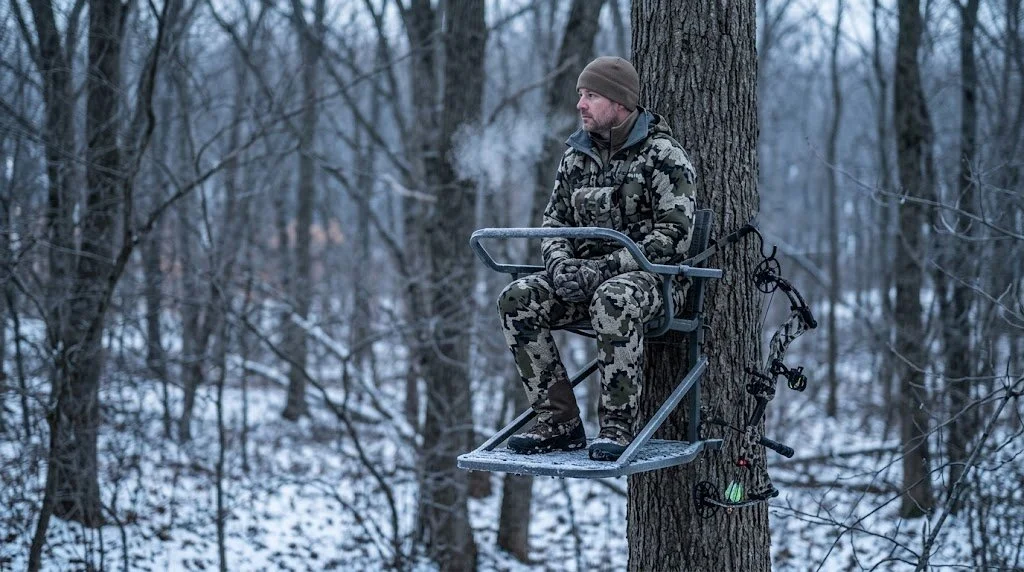
Sitka Core Heavyweight Zip-T— Best for cold, stationary sits. Thick synthetic fleece with Polygiene odor control for late-season treestand hunting. $169.
First Lite Wick Quarter Zip — Best lightweight option. 150-gram Aerowool that breathes in warm conditions and layers thin for cold. $109 to $129.
Sitka Equinox Guard Hoody— Best with built-in concealment. Lightweight synthetic with integrated face cover for turkey and early-season big game. $159.
RedHead Elite Midweight Base Layer — Best budget pick. Gets the job done for $50 per piece when you're not ready for premium pricing.
Individual Reviews
Sitka Core Lightweight Crew
With the KUIU Peloton 97 no longer on the market, the Sitka Core Lightweight steps into the role of the best synthetic base layer for hunting. The fabric is a smooth-knit polyester with enough stretch to move with you at full draw without binding across the shoulders. Sitka's Polygiene odor control treatment bakes antimicrobial silver into the fibers at the factory level, and it holds up through dozens of wash cycles without fading the way spray-on treatments do. That's a real advantage of a synthetic base layer, because odor control is where synthetics have always fallen short compared to merino.
The Core Lightweight dries very fast. On mornings when I sweat on the walk in and need to be dry by the time I'm settled in a stand, the dry time is noticeably faster than that of any merino option on this list. The fabric has a clean, smooth hand that doesn't snag on a brush the way fleece-backed synthetics do, and it layers under midlayers and shells without bunching at the waist or riding up.
Honest limitation: Even with Polygiene, a synthetic base layer holds odor faster than merino over multi-day wear. After a few days without washing, you'll notice it. The Core Lightweight is also less warm per gram than the discontinued Peloton 97 was, because the 97 had a fleece-backed interior that trapped more air. The Sitka trades some of that warmth for a thinner profile and smoother layering. If you need the warmth the 97 used to provide, step up to the Core Heavyweight or layer a mid-weight fleece over the top.
Best for: Single-day whitetail hunts, active hunting where fast dry time matters, and any synthetic-first hunter who needs a replacement after KUIU pulled the Peloton 97 from the lineup.
Price: $109 to $135, depending on style. Check the current price at Sitka.
First Lite Kiln 250 Quarter Zip
The Kiln is First Lite's do-everything midweight merino base layer, and it earns that reputation. The 250-gram Merino-X fabric sits in the sweet spot where it's warm enough for late-season sits but breathable enough to wear on a moderately active October hunt without overheating. First Lite's Merino-X blend adds nylon for durability and a touch of spandex that prevents the bagging and stretch-out that pure merino suffers after a few days of continuous wear. The Kiln holds its shape across a week-long hunt better than any merino base layer I've used.
The odor control is where merino earns its price. I've worn a Kiln for four consecutive days on an out-of-state archery trip without washing it, and the smell stayed manageable. Try that with any synthetic, and you'll clear a treestand.
Honest limitation: The 250-gram weight is too warm for early archery in the South, or early-October sits above 55 degrees. You'll overheat. First Lite's Wick line is the better play for warm weather. The Kiln also dries noticeably slower than synthetics like the Sitka Core Lightweight, though the Merino-X blend is faster than traditional pure merino.
Best for: Archery hunters who want one base layer that covers October through January, especially on multi-day hunts where odor control matters.
Price: $139 to $169, depending on style (crew, quarter-zip, hoody). Check the current price at First Lite.
KUIU ULTRA Merino 145 Zip-T
The ULTRA Merino 145 strikes a middle ground between lightweight and midweight, making it the most versatile single merino base layer in KUIU's lineup. The Nuyarn construction blends merino and nylon to make the fabric stronger, stretchier, and faster-drying than traditional merino knits. KUIU's zip-off bottom design lets you remove the base layer without taking off your boots or pants, which is a genuine field advantage when temperatures swing 30 degrees between a cold morning and a warm afternoon. No other brand offers this, and once you've used it on an all-day western hunt, you won't go back to pulling long johns off over your boots.
The 145-gram weight works as a standalone next-to-skin layer from about 40 to 60 degrees and layers cleanly under a fleece mid-layer when temperatures drop into the 20s. Odor control is strong for the merino content, though not quite as resilient over multi-day wear as the heavier First Lite Kiln.
Honest limitation: Some hunters find KUIU's merino slightly scratchier against the skin than First Lite's Merino-X. The feel is very individual. If you're sensitive to wool itch, try First Lite. The 145 is also not warm enough on its own for stationary hunting below 35 degrees. You'll need to layer up.
Best for: Active hunters who need a single merino piece that works across a wide temperature range, and western hunters who benefit from the zip-off bottom design.
Price: $99 top, $109 to $119 bottoms (zip-off). Check the current price at KUIU.com.
Sitka Core Heavyweight Zip-T
The Core Heavyweight is Sitka's answer for late-season treestand hunters who sit in one spot for hours in temperatures that make other people stay in bed. The thick synthetic fleece traps warm air against your body and the gusseted fit allows full range of motion at the draw. Sitka's Polygiene odor control treatment works the same here as on the Core Lightweight, giving the synthetic fabric a fighting chance against merino on odor even though it won't fully close the gap over multi-day wear.
Where the Core Heavyweight earns its place is on those 15-degree December mornings when you're not moving and you need every ounce of insulation your clothing system can deliver. Under a quality mid layer and outer shell, this base layer anchors a system that handles legitimate cold.
Honest limitation: The heavyweight designation is real. This is too warm for anything above freezing if you're even slightly active. Walking a quarter mile to your stand will have you sweating. It's also the most expensive base layer on this list, and the synthetic fabric holds odor faster than merino options at the same price point. For the money, the odor performance gap between this and a First Lite Furnace is worth considering if multi-day wear matters to you.
Best for: Stationary treestand and blind hunters in temperatures below 25 degrees who prioritize warmth over versatility.
Price: $169 top. Check the current price at Sitka.
First Lite Wick Quarter Zip
The Wick is First Lite's ultralight 150-gram Aerowool base layer, and it's the piece I reach for on those early-October sits when temperatures start in the 50s and climb into the 70s by mid-morning. First Lite's Aerowool blend incorporates 37.5 nylon that the company claims dries 10 times faster than pure merino. In field use, the dry time is noticeably faster than traditional wool, though not quite as fast as a full synthetic like the Sitka Core Lightweight. The Wick feels like wearing nothing at all, which is exactly what you want from a warm-weather base.
The odor control is excellent for the weight. First Lite's merino-nylon construction manages smell across multiple wears without washing. In early archery season, when you're sweating on the walk in and sitting in warm conditions, that matters more than insulation.
Honest limitation: The 150-gram weight provides almost zero insulation on its own. Below 45 degrees, you need substantial layering on top. The fabric is also more delicate than heavier merino options. Pack straps, brush, and rough handling will wear it faster than a 250-gram Kiln or a KUIU 145. Treat it like the lightweight piece it is.
Best for: Early archery season, warm-weather hunts, and as a thin next-to-skin layer under heavier mid layers in a full cold-weather system.
Price: $109 to $129, depending on style. Check the current price at First Lite.
Sitka Equinox Guard Hoody
The Equinox Guard Hoody is technically a lightweight base layer, but the integrated hood with built-in face cover makes it something more specific: the best single piece for turkey season and early-season big game, where concealment and sun protection matter as much as wicking. The camo mesh face cover deploys when you pull the hood up and stows flat when you don't need it. No separate face mask to carry or lose. For turkey hunting, where the bird you're calling is looking for your face at 40 yards, the integration is worth the premium over a standard base layer plus a separate head net.
The fabric is lightweight synthetic with UPF sun protection. It breathes well in heat and dries fast after exertion.
Honest limitation: The Equinox Guard is a warm-weather piece with almost no insulation. It's not a base layer you'd wear under a heavy system in cold conditions. The integrated hood and face cover also add a layer of fabric around your neck that can feel excessive when you're hot. And at $159 for what is essentially a lightweight synthetic hoodie, the price is hard to justify if you don't need the built-in concealment.
Best for: Turkey hunters and early-season archery hunters who want concealment and sun protection built into their base layer.
Price: $159. Check the current price at Sitka.
What to Look for in a Hunting Base Layer (and What Doesn't Matter)
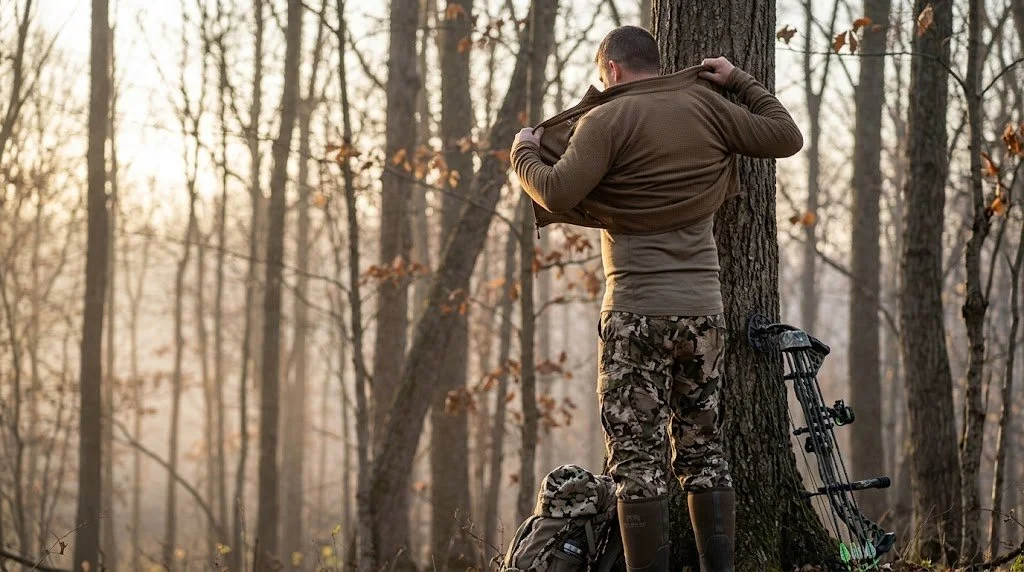
Material: Merino vs. Synthetic
This is the only choice that really matters in a hunting base layer, and the answer depends on how you hunt.
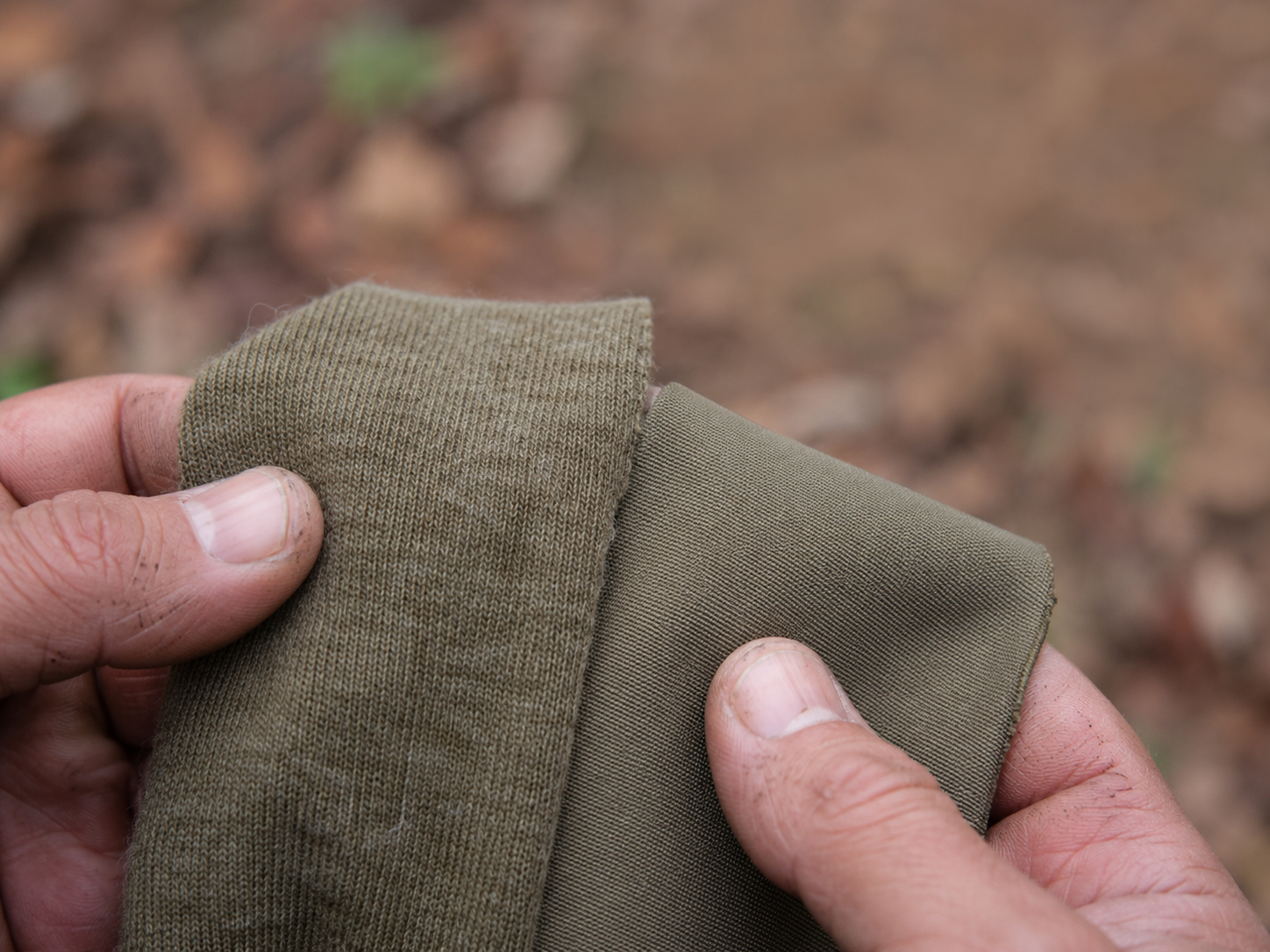
Merino wool (First Lite Kiln/Wick/Furnace, KUIU ULTRA Merino, Sitka Core Merino) controls odor better, regulates temperature in a wider range, and stays comfortable when damp. Merino is the better choice for multi-day hunts, backcountry trips where you can't wash clothes, and any situation where scent control is a priority.
Synthetic (Sitka Core Lightweight/Heavyweight, KUIU Peloton line) dries faster, costs less per piece in most cases, and provides reliable warmth in wet conditions where merino can feel clammy. Synthetic is the better choice for single-day hunts, extremely cold stationary sits, and high-output activity where you'll sweat heavily and need fast dry time.
If you can only own one base layer, buy merino. If you can own two, add a synthetic for the extremes.
Weight
Base layers come in lightweight (120 to 150 grams), midweight (200 to 250 grams), and heavyweight (300+ grams). The most versatile weight for a single base layer is midweight. It works as a standalone in mild conditions and layers under everything else when it gets cold. Don't buy a heavyweight unless you spend the majority of your season sitting still below 25 degrees.
What Doesn't Matter as Much as Marketing Suggests
Scent-control technology branded with proprietary names is marketing. The antimicrobial treatments in Sitka's Polygiene system are real, and they work, but the difference between a treated synthetic and an untreated merino comes down to: merino still controls odor better over multiple wears. Silver-infused fabric treatments help synthetics close the gap, but they don't eliminate it.
Camo pattern on a base layer is almost irrelevant. Your base layer is under everything else 90 percent of the time. Buy the pattern you like or buy solid colors. It doesn't affect performance.
Budget Pick Spotlight: RedHead Elite Midweight Base Layer
If you're not ready to spend $100 to $170 per piece on a base layer, the RedHead Elite Midweight Base Layer from Cabela's gets the fundamental job done at around $50 per piece. It's a polyester-blend synthetic with decent wicking and enough warmth for the mid-season window. You won't get the odor control of merino or the refined fit of Sitka or First Lite, but you'll stay dry and reasonably warm through a morning sit.
The honest trade-off: the RedHead fabric holds odor faster, doesn't regulate temperature as well in a wide range, and the fit and construction won't hold up as long as the premium options. It's a one-to two-season piece, not a five-year investment. But at $50, you can try it and decide whether a base layer upgrade is worth the jump to First Lite, Sitka, or KUIU without committing $200 upfront.
Frequently Asked Questions
Is merino or synthetic better for deer hunting?
Merino is better suited for most deer-hunting situations because of its superior odor control and broader temperature regulation. If you hunt multiple days without access to laundry, merino wins hands down. Synthetic is better, specifically for very cold stationary hunting, where you need maximum warmth per ounce and will only wear the layer for one day between washes. For a single-layer recommendation, buy merino.
I've personally shifted most of my base layer rotation from merino to synthetics over the past few seasons. For a long time, merino’s odor control was the reason I paid the premium. A First Lite Kiln or KUIU ULTRA Merino could go three to five days without smelling like a gym bag, and that mattered on multi-day hunts where washing wasn't an option. But I started running an ozone generator over a decade ago to sanitize all my hunting clothing before every sit, and that changed the math. Ozone destroys odor-causing bacteria at the molecular level regardless of whether the fabric is wool or polyester. Once the ozone handles scent, synthetic base layers beat merino on dry time, warmth-to-weight ratio, durability, and price. I still keep a merino piece for backcountry trips where I won't have access to the ozone unit, but for day-in, day-out whitetail hunting from a truck to a treestand and back, synthetics paired with ozone give me better performance for less money.
How many base layers do you need for hunting?
Two. One lightweight or midweight merino for early through mid-season (First Lite Wick or KUIU ULTRA Merino 145), and one midweight to heavyweight for cold-weather hunts (First Lite Kiln 250 or Sitka Core Heavyweight). That combination covers you from September archery through January muzzleloader in most states. If you want a synthetic option for days when fast-dry time matters most, add a Sitka Core Lightweight as a third layer.
Can you wear a base layer as a standalone?
In warm conditions, yes. The First Lite Wick and KUIU ULTRA Merino 120 are both designed to work as standalone shirts in temperatures above 50 degrees. In cooler conditions, a midweight like the First Lite Kiln 250 works as a standalone on moderately active hunts down to about 40 degrees. Below that, you need a mid-layer and an outer layer.
How often should you wash hunting base layers?
Synthetic base layers need to be washed after every one to two wears. Merino base layers can go three to five wears between washes without significant odor buildup, which is one of the biggest advantages of merino for multi-day hunts. When you do wash them, use a scent-free detergent and avoid fabric softener, which coats fibers and reduces wicking performance. Air dry when possible. Heat from a dryer degrades merino fibers over time.
What replaced the KUIU Peloton 97?
KUIU discontinued the Peloton 97 and hasn't released a direct replacement at the same weight and construction. If you're looking for a synthetic base layer that fills the same role, the Sitka Core Lightweight is the closest match in the hunting market: smooth-knit polyester with odor control and a clean layering fit. It doesn't have the fleece-backed warmth the 97 had, so for raw insulation at the base layer, step up to the Sitka Core Heavyweight, or layer a lightweight fleece mid-layer over the Core Lightweight. KUIU still makes the Peloton 200 as a heavier synthetic option, but it's a looser fit that functions more as a thin mid-layer than a true next-to-skin base.
Want more gear reviews built for public land hunters? Subscribe to the LandsToHunt newsletter below and get honest gear picks, state-by-state hunting guides, and land management strategies delivered to your inbox.
