Public Land Hunting in Alaska: The Last Real Frontier for DIY Hunters
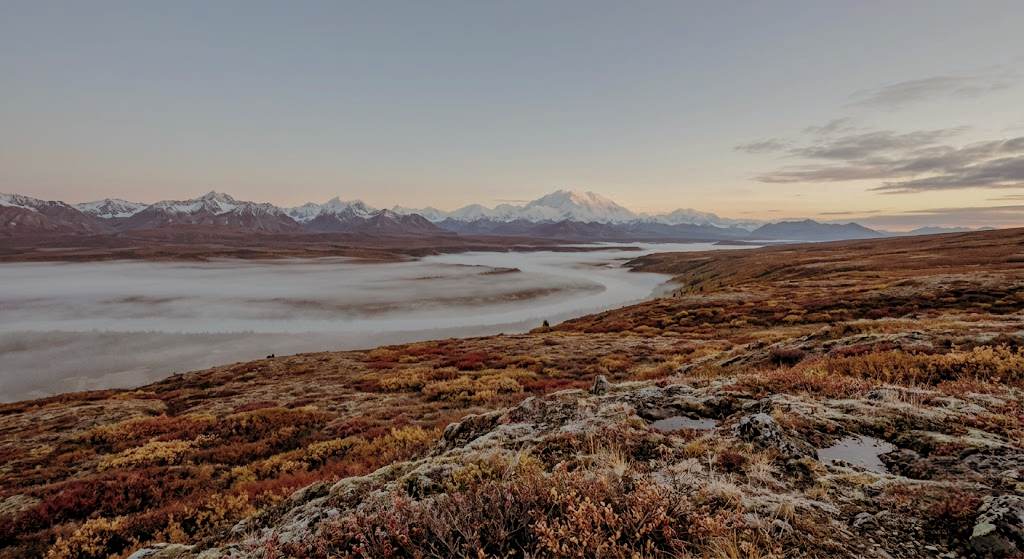
Public land hunting in Alaska works on a scale that breaks the mental math you use in the Lower 48. Michigan gives you about 4.6 million acres of state land, and we call that a lot. Alaska gives you more than 300 million acres of huntable public ground across federal and state ownership, which is more public land than the total area of Texas and Montana combined. You don't fight for a parking spot at a trailhead here. In most of the state, there's no trailhead at all.
That scale cuts both ways. The hunting is real, the animals are real, and the logistics will eat you alive if you treat this like a Midwest weekend trip. This guide breaks down where the land is, who manages what, which areas give a DIY hunter a legitimate shot, and how to plan around the two things that kill most Alaska hunts before they start: access and meat care.
Public Land Hunting in Alaska: What You're Working With
Roughly 60 percent of Alaska is federal land. Add state land on top and the huntable total climbs past 300 million acres. Here's how the ownership breaks out:
BLM Alaska manages about 70 million acres, much of it open to hunting under state regulations with no special federal permit
U.S. Forest Service runs the Tongass (16.7 million acres) and the Chugach (5.4 million acres), the two largest national forests in the country
U.S. Fish and Wildlife Service manages 16 national wildlife refuges totaling around 76 million acres, most open to hunting
Alaska DNR oversees roughly 100 million acres of state land, plus state game refuges and critical habitat areas managed with hunting in mind
The Alaska Department of Fish and Game sets seasons and bag limits across all of that through 26 Game Management Units, most of which get subdivided further. Learn to read unit boundaries early. Everything in Alaska regulations hangs off the unit number.
Licenses and Tags
Residents pay $45 for an annual hunting license. Nonresidents pay $160, then buy locking tags for big game on top of that. Current nonresident tag prices run $300 for deer, $450 for black bear, $650 for caribou, $800 for moose, and $1,000 for brown bear. Confirm current fees on the Alaska Department of Fish and Game site before you budget the trip.
One rule surprises almost every first-time nonresident. If you want to hunt brown bear, Dall sheep, or mountain goat, Alaska law requires you to hire a registered guide or hunt with a resident relative within the second degree of kindred. Moose, caribou, deer, and black bear stay fully open to DIY nonresidents. That's where this guide focuses.
Top Public Hunting Areas in Alaska
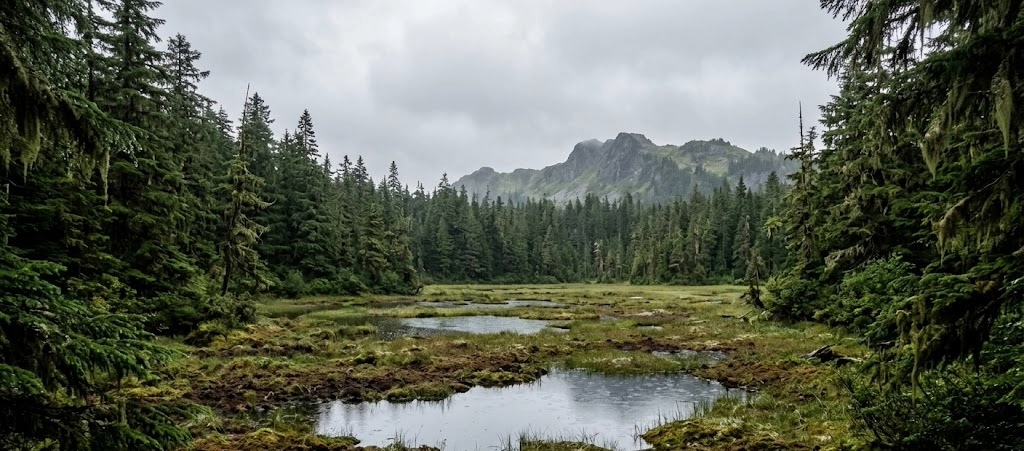
1. Tongass National Forest
Agency: USFS. Acreage: 16.7 million. Region: Southeast panhandle. Species: Sitka blacktail, black bear, mountain goat, waterfowl, grouse. Terrain: Coastal rainforest, muskeg, alpine ridges rising straight off saltwater. Access: Ferry, floatplane, or boat into most of it. Prince of Wales Island carries more than 1,500 miles of old logging roads you can drive or bike. Insider tip: Hunt alpine blacktails in August. Bucks summer above the timberline in the open, and a fit hunter with Vortex Diamondback HD 10x42 binos can glass velvet bucks at two miles on a clear morning.
2. Kodiak National Wildlife Refuge and Kodiak Island
Agency: USFWS and state. Acreage: 1.9 million refuge acres. Region: Kodiak Archipelago. Species: Sitka blacktail, brown bear (draw, guided for nonresidents), mountain goat, waterfowl. Terrain: Steep grass slopes, alder hells, beach fringe. Access: Fly to Kodiak City, then floatplane or charter boat to the hunting. Insider tip: December beach hunts are the sleeper play. Snow pushes deer to tidewater and bag limits allow multiple deer in most Kodiak units. Bring a boat-based plan and watch the marine forecast harder than the deer.
3. Fortymile Country BLM Lands
Agency: BLM. Region: Unit 20E along the Taylor Highway, east of Fairbanks. Species: Caribou, moose, black bear, grouse. Terrain: Rolling subalpine domes and burned spruce country. Access: Drive-in. The Taylor Highway cuts through the Fortymile caribou herd's range. Insider tip: The Fortymile registration caribou hunt is one of the best road-accessible DIY opportunities in the state, and ADF&G manages quotas in-season. Check emergency orders daily, because the hunt can close on 24 hours’ notice once harvest targets hit.
4. Dalton Highway Corridor
Agency: BLM. Region: The haul road running north to Prudhoe Bay. Species: Caribou, moose, small game. Terrain: Boreal forest south, open tundra north of Atigun Pass. Access: Drive-in, with a catch. The corridor within five miles of the road is bowhunting only for big game. Insider tip: Walk past the five-mile line with a rifle and a pack frame and pressure drops to near zero. Most hunters won't carry a caribou that far. Decide honestly whether you will before you shoot.
5. Chugach National Forest
Agency: USFS. Acreage: 5.4 million. Region: Kenai Peninsula and Prince William Sound. Species: Moose, black bear, mountain goat, blacktail on the Sound's islands. Terrain: Glaciated mountains, coastal islands, brushy river bottoms. Access: Road system on the Kenai side, boat or floatplane in the Sound. Insider tip: Spring black bear on the beaches of Prince William Sound is a very underrated hunt. Bears graze the green-up at tideline in May and a water taxi out of Whittier puts you on them without a bush plane budget.
6. Kenai National Wildlife Refuge
Agency: USFWS. Acreage: About 1.9 million. Region: Kenai Peninsula. Species: Moose, black bear, waterfowl, small game. Terrain: Lake country, black spruce flats, 1947 and 1969 burn regrowth. Access: Road-connected from Soldotna and Sterling. Insider tip: Read the refuge-specific rules before anything else. Portions like the Skilak Loop area carry firearm and hunt restrictions that differ from state regs on the ground next door.
7. Nelchina Basin, Unit 13
Agency: State and BLM. Region: Glennallen area, bounded by the Glenn, Richardson, and Denali highways. Species: Caribou, moose, black bear. Terrain: Open tundra benches and spruce breaks with big sightlines. Access: Three highways touch it. ATV trails web off the Denali Highway. Insider tip: Nelchina caribou permits lean heavily toward residents and subsistence priority, so nonresidents should target the moose draw hunts here instead and treat any caribou tag as a bonus.
8. Matanuska Valley Moose Range
Agency: Alaska DNR. Acreage: About 230,000. Region: North of Palmer. Species: Moose, black bear, grouse, hare. Terrain: Birch and spruce foothills laced with old ag clearings. Access: Under an hour from Anchorage. Insider tip: This is the closest thing Alaska has to Lower 48-style hunting pressure. Hunt weekdays, get a mile off any trail junction, and call moose in the last week of September when bulls answer aggressively.
9. Minto Flats State Game Refuge
Agency: ADF&G. Acreage: Roughly 500,000. Region: West of Fairbanks. Species: Ducks, geese, moose. Terrain: A maze of sloughs, lakes, and wet meadow. Access: Boat from Minto or fly-in. Insider tip: Minto Flats holds some of the best duck hunting in North America the first two weeks of September, before freeze-up pushes birds south. A jon boat, a sack of decoys, and a GPS track you trust in the fog is the whole program.
Species You Can Hunt on Alaska Public Land
Let's clear one thing up first. Alaska has no whitetails and no wild turkeys. If your mental picture of hunting is built on those two species, you're starting a new education here.
What you get instead: Sitka blacktail deer across Southeast, Kodiak, and Prince William Sound, with generous bag limits and long seasons. Moose nearly statewide. Barren-ground caribou in herds that still number in the tens of thousands. Black bears in huntable densities from the panhandle to the Interior. Brown bears, Dall sheep, and mountain goats for those with a guide budget or resident family. Then the small game bench runs deep, with three ptarmigan species, spruce and ruffed grouse, and snowshoe hares. Waterfowlers get Pacific Flyway birds at the source, including sea ducks you can't hunt anywhere else in the country.
For a DIY nonresident, the honest sweet spot is blacktail, caribou, black bear, and ducks. Moose is doable on your own but the meat load, at 500 to 700 pounds off the bone, turns a hunt into a freight operation.
Season Structure and Draw Hunts
Alaska runs three permit types. Harvest tickets are free, over-the-counter, and cover most general season hunts. Registration permits are also free but tie you to reporting requirements and in-season quota closures, like the Fortymile caribou hunt. Draw permits are the lottery hunts, and the application window runs November 1 through December 15 for the following fall, with results posted in late February.
General season timing, unit by unit variations aside: blacktail seasons open August 1 in most of Southeast and run into December. Moose general seasons cluster in the first three weeks of September. Caribou seasons vary wildly by herd, from August openers to winter hunts. Waterfowl opens September 1 in most zones. Spring black bear runs roughly April through June where offered.
Mark that December 15 draw deadline in your calendar now. Miss the deadline and your options next fall shrink to general season and registration hunts only.
Access Tips That Save Alaska Hunts
Three rules carry more weight here than anywhere else in the country.
Salvage law comes first. Alaska requires you to salvage all edible meat, and in many units moose and caribou quarters must stay on the bone until removed from the field. Meat comes out before antlers. Wardens enforce this hard, and the fines are memorable. Pack game bags, plan your loads, and build your shot decisions around what you can carry.
Native corporation land is private land. ANCSA corporation holdings sit checkerboarded through huntable country, often unmarked and unfenced. Some corporations sell access permits, others prosecute trespass. Boundary knowledge is not optional here, which is exactly why onX Hunt earns its subscription in Alaska more than any other state. The land status layer shows corporation boundaries, BLM 17(b) easements that cross them legally, and state versus federal ownership at a glance.
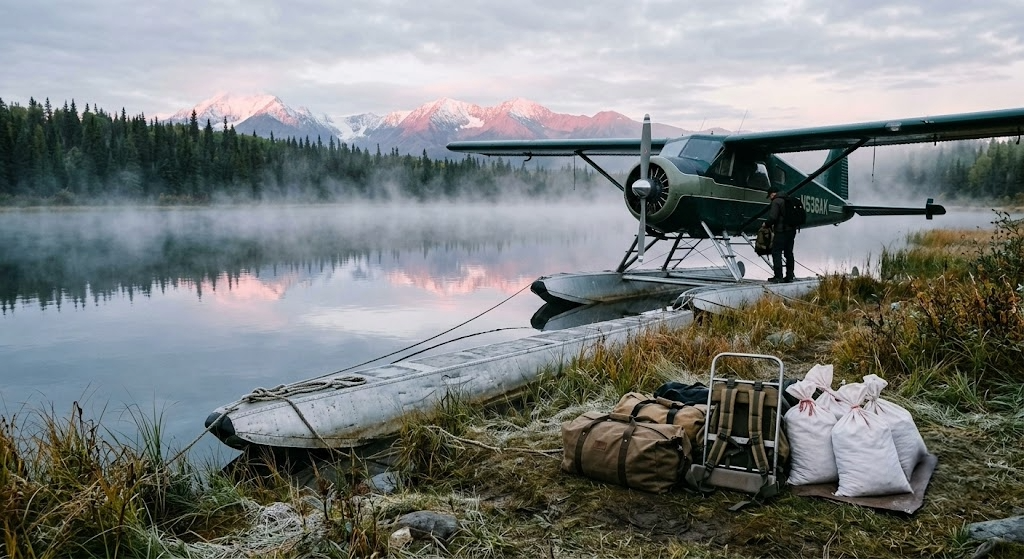
Transporters are not guides. An air taxi drops you and your gear. A transporter can move you around during the hunt. A guide hunts with you. Book bush flights six to twelve months out for good drop lakes, get a firm pickup plan with weather-delay contingencies, and carry food for three extra days. Weather strands hunters in Alaska every single September.
Camping is generally allowed on state land, BLM ground, and national forest without a permit, with standard stay limits. Bear-resistant food storage is required in some refuge and forest areas, so check the specific rules on BLM Alaska's site and the refuge pages for your unit.
Gear the Country Demands
Alaska is wet before anything else. Southeast rainforest gets 100-plus inches a year, and even Interior September means rain, wet brush, and river crossings.
Rubber boots run the coastal half of the state. The LaCrosse Alphaburly Pro handles muskeg and beach hunting well, with the honest caveat that a full day of sidehilling in them will remind you they offer very little ankle support. On mountain terrain, switch to a stiff leather boot and accept wet feet at the crossings.
Layering matters because you'll sweat hard under a pack and then glass motionless in wind. My outer layer for most of this hunting is the KUIU Axis Hybrid, which is quiet and sheds drizzle, though it's not a downpour shell. Carry dedicated rain gear over it in the Southeast, no exceptions. I've written up my full layering system in [my KUIU kit article](/hunting-public-lands-tips-resources-/my-kuiu-kit-what-i-wear-for-whitetail-m6wwh) and the same logic scales to Alaska with a heavier rain layer.
Round out the kit with quality game bags, a pack frame rated for 100-pound loads, dry bags for the flight, and a satellite communicator. The Garmin inReach line is well-reviewed and widely carried by Alaska hunters, and cell coverage disappears minutes outside any town. On glass, the Vortex Diamondback HD 10x42 is the right value pick for a first Alaska trip, with the tradeoff that all-day alpine glassing will show you why guys eventually pay triple for alpha-tier resolution.
How to Find Unpressured Public Land Hunting in Alaska
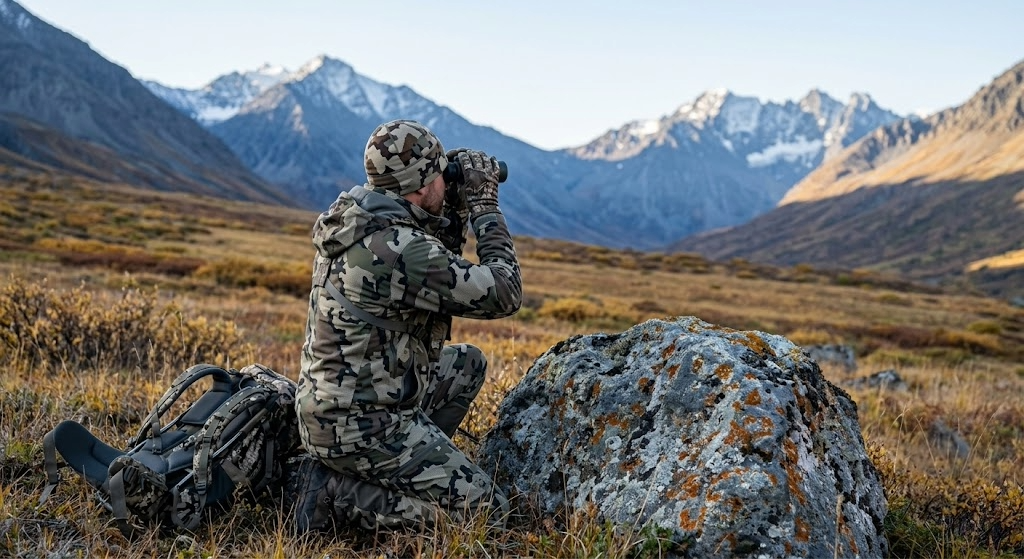
Pressure in Alaska concentrates within a half mile of anything with a name: roads, airstrips, named lakes, river confluences. The animals learn it fast during season.
Start your e-scouting the same way you would in the Lower 48, just with bigger tools. Pull up onX Hunt's boundary layers and satellite imagery, then look for the access seams: a 17(b) easement crossing corporation land to reach BLM ground nobody bothers with, a floatable creek connecting two drop lakes, a burn edge three miles off the Taylor Highway. Recent burns are caribou and moose magnets two to ten years post-fire, and the imagery shows them plainly. HuntStand and Gaia GPS work as alternatives, but neither matches the Alaska land status detail.
If you want a second set of eyes on a drainage before you burn a flight budget on it, Hunt Scout applies AI-driven terrain analysis to exactly this kind of question and flags the features worth your boot leather.
Timing beats distance sometimes. The second week of moose season sees half the pressure of opening week. Late November blacktail hunting on Kodiak happens in near solitude. And water access, whether packraft, jon boat, or water taxi, opens more unpressured country per dollar than aircraft in the road-connected regions.
Public Land Hunting in Alaska: FAQ
Do nonresidents need a guide to hunt Alaska?
Only for brown bear, Dall sheep, and mountain goat. Moose, caribou, Sitka blacktail, black bear, small game, and waterfowl are all open to unguided nonresidents with the right license and tags.
Can you hunt Alaska public land without a bush plane?
Yes. The Taylor Highway, Dalton Highway, Denali Highway, Kenai Peninsula, and Matanuska Valley all offer drive-in hunting, and Prince of Wales Island adds a huge drivable road system for blacktails. Planes expand your options, they don't gatekeep them.
Are there whitetail deer in Alaska?
No. Sitka blacktail is Alaska's deer, found in Southeast, on Kodiak, and around Prince William Sound. They're smaller than whitetails, less patternable, and outstanding on the table.
How much does a DIY Alaska hunt cost?
A road-based nonresident caribou or deer hunt runs $2,500 to $4,000 including license, tag, flights to Alaska, and a rental rig. Add a bush plane drop and you're at $5,000 to $8,000. That's still a fraction of a guided hunt, which starts around $15,000 for moose.
When should I apply for Alaska draw hunts?
The application period runs November 1 through December 15 each year for the following season. Results post in late February, which leaves you six months to build the hunt.
This guide includes affiliate links to tools and gear we recommend for hunting Alaska's public land. LandsToHunt.com earns a commission on qualifying purchases.
