Public Land Hunting in Kansas: River Bottoms, WIHA, and the Biggest Whitetails on Accessible Ground
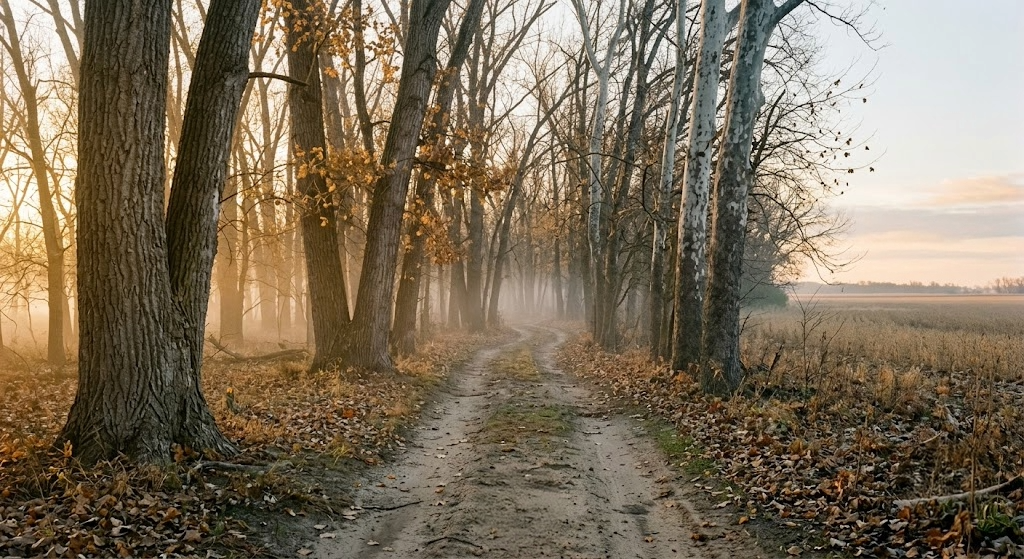
Kansas grows whitetails that make the rest of the Midwest jealous, and unlike Iowa, you don't need to wait five years for a tag to hunt them. Non-resident archery tags are available over the counter. The archery season runs from mid-September through the end of December, covering the entire rut. And the state's WIHA (Walk-In Hunting Access) program opens more than a million acres of private land to public access every year, adding a rotating layer of fresh ground on top of the state's permanent wildlife areas and federal land.
Public land hunting in Kansas requires a different mindset than hunting the big national forests of Pennsylvania or the massive state forest systems of Wisconsin and Minnesota. The public tracts here are smaller, more scattered, and often mixed with private agricultural land. The river bottom corridors that hold the state's best deer are narrow strips of timber running through an ocean of corn and wheat. But the deer that live in those corridors carry genetics and body condition that regularly push into the 170-plus class on public ground. A two-week archery trip to Kansas during the November rut is one of the highest-value DIY hunts in the country. [TODO LINK: best states for whitetail hunting -> /field-notes/best-states-for-whitetail-hunting]
How Much Public Hunting Land Kansas Has
Kansas public hunting areas break down across several access systems:
WIHA (Walk-In Hunting Access): More than 1 million acres of private land enrolled annually for public walk-in hunting, managed by the Kansas Department of Wildlife and Parks (KDWP). Tracts rotate year to year as landowners enroll and withdraw.
Wildlife Areas: Roughly 30 state wildlife areas totaling about 350,000 acres, managed by KDWP
Cimarron National Grassland: ~108,000 acres in far southwest Kansas, managed by the U.S. Forest Service
Army Corps of Engineers lands: Significant acreage around reservoirs including Milford, Tuttle Creek, Perry, Clinton, and Fall River
National Wildlife Refuges: Quivira NWR, Flint Hills NWR, Kirwin NWR, and Marais des Cygnes NWR offering seasonal hunting
FISH (Fishing Impoundments and Stream Habitats): Smaller tracts with some hunting access
The WIHA program is the defining feature of kansas public hunting areas. Over a million acres of private land enrolled for free public walk-in access is unlike anything most states offer. The tracts change annually, which means fresh ground opens every season and familiar spots sometimes disappear. KDWP publishes an updated WIHA atlas each August, and the tracts are mapped on the iSportsman Kansas app and on onX Hunt. Checking the current map before every season is mandatory.
For licensing, Kansas residents pay about $27.50 for a hunting license and $32.50 for a deer permit. Non-residents pay $97.50 for a hunting license and $442.50 for a non-resident deer permit. Non-resident archery deer permits are available over the counter at about $342.50. Non-resident firearms deer permits require a draw, and the odds tighten each year as demand increases. Turkey permits run about $27.50 resident and $67.50 non-resident for spring, available over the counter. The archery tag availability is the key takeaway for out-of-state hunters. You can decide in August and hunt in November without a multi-year preference point wait.
Top 12 Kansas Public Hunting Areas
Milford Wildlife Area
Managing agency: KDWP / Army Corps of Engineers
Acreage: 18,500
Region: Geary and Clay counties, north-central Kansas
Primary species: Whitetail, turkey, waterfowl, pheasant, quail, dove
Terrain: Republican River bottom hardwood, lake shoreline, agricultural borders, grassland, managed wetlands
Access: Good road access with multiple parking areas. Some seasonal closures for waterfowl management.
Insider tip: Milford is one of the largest contiguous public hunting areas in Kansas, and the Republican River bottom timber holds excellent whitetails. The timber corridors along the river create natural travel funnels between bedding in the dense river cover and feeding on the surrounding ag fields. Hunt the inside corners where timber meets crop field during the rut. Most hunters gravitate to the lake-side units for waterfowl. The river bottom timber south of the dam sees far less deer hunting pressure. [TODO LINK: how to read a topo map for deer hunting -> /field-notes/how-to-read-a-topo-map-for-deer-hunting]
Tuttle Creek Wildlife Area
Managing agency: KDWP / Army Corps of Engineers
Acreage: 12,500
Region: Riley, Pottawatomie, and Marshall counties, northeast Kansas
Primary species: Whitetail, turkey, waterfowl, pheasant, dove
Terrain: Big Blue River corridor, lake shoreline, timbered draws, crop field borders, tallgrass prairie remnants
Access: Road access to multiple units around the reservoir. Boat access for some shoreline hunting.
Insider tip: The timbered draws running perpendicular to the Big Blue River corridor are where mature bucks bed during the day and travel to feed at dusk. These draws are narrow, steep-sided, and full of thick brush, which keeps pressure low. Drop into a draw from the upper end, set up where the draw opens into the river bottom, and hunt the transition during the last two hours of light.
Perry Wildlife Area
Managing agency: KDWP / Army Corps of Engineers
Acreage: 11,000
Region: Jefferson County, northeast Kansas
Primary species: Whitetail, turkey, waterfowl, dove
Terrain: Delaware River corridor, hardwood bottoms, lake shoreline, crop field edges, CRP grass
Access: Good road access. Multiple parking areas. Close to Topeka and Lawrence.
Insider tip: Perry's proximity to Topeka and Lawrence means weekend pressure is real, especially during firearms season. The weekday archery hunting in October and November is a different experience. The Delaware River bottom timber on the south side of the lake holds deer that pattern predictably on the surrounding soybean fields. Glass the field edges at last light with Vortex Diamondback HD 10x42 binoculars to find where deer enter the fields, then set up on the timber-side approach the next morning.
Glen Elder Wildlife Area
Managing agency: KDWP
Acreage: 12,600
Region: Mitchell County, north-central Kansas
Primary species: Whitetail, mule deer, turkey, pheasant, waterfowl, dove
Terrain: Solomon River corridor, chalk bluffs, cedar draws, agricultural borders, lake shoreline
Access: Road access with multiple parking areas around the reservoir.
Insider tip: Glen Elder sits in the transition zone where whitetail range overlaps with mule deer. The cedar draws along the chalk bluffs north of the reservoir hold whitetails, while the open grassland and crop borders produce mule deer sightings. During the rut, whitetail bucks cruise the cedar draws between doe groups. The terrain is gentler than the eastern river bottoms but still creates natural funnels where the draws pinch between the bluffs and the lake.
Cimarron National Grassland
Managing agency: U.S. Forest Service
Acreage: 108,000
Region: Morton County, far southwest Kansas
Primary species: Mule deer, pronghorn, quail, pheasant, dove, lesser prairie chicken
Terrain: Shortgrass prairie, Cimarron River corridor, sand hills, cottonwood bottoms
Access: Open with a valid Kansas hunting license. Dispersed camping allowed. Extensive road network.
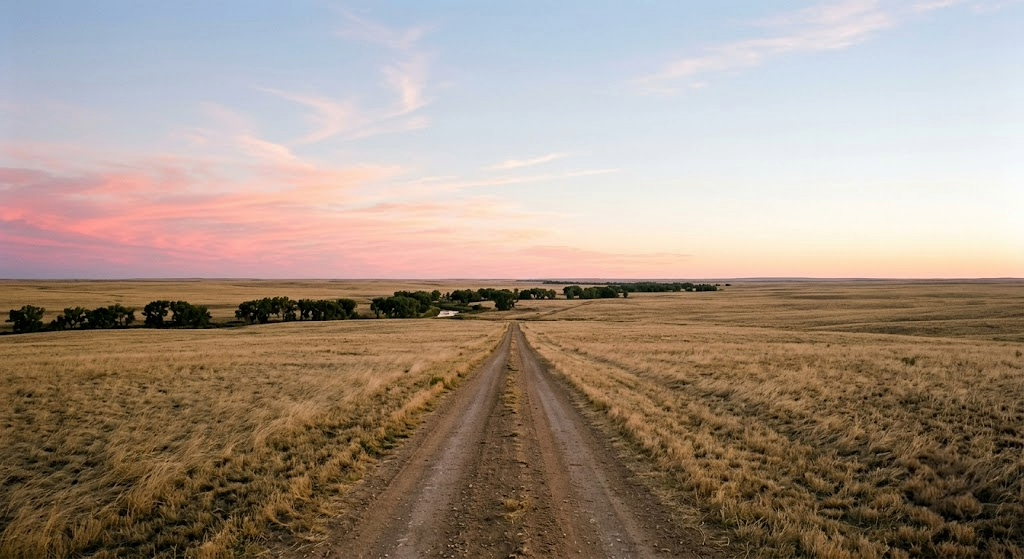
Insider tip: Cimarron is the only national grassland in Kansas and the largest contiguous federal land in the state. The Cimarron River corridor holds mule deer and some whitetails in the cottonwood bottoms. For pronghorn, glass the open grassland north of the river at first light. This is big-sky, long-range hunting that feels more like eastern Colorado than typical Kansas. Bring a spotting scope and plan for wind. The wind never stops on the Cimarron.
Clinton Wildlife Area
Managing agency: KDWP / Army Corps of Engineers
Acreage: 9,600
Region: Douglas County, northeast Kansas
Primary species: Whitetail, turkey, dove, waterfowl
Terrain: Wakarusa River corridor, hardwood bottoms, lake shoreline, crop borders, CRP grass
Access: Good road access. Close to Lawrence and Kansas City.
Insider tip: Clinton is the closest quality public deer hunting to Kansas City, and the pressure shows it. But the deer here are very good because the surrounding agricultural land grows them well. Beat the pressure by hunting deep into the Wakarusa River bottom timber during midweek archery. The river creates pinch points where timber narrows between the water and the surrounding crop fields. A Tethrd Phantom saddle platform lets you set up in the narrow bottleneck corridors where hanging a traditional stand isn't practical.
Flint Hills NWR and Vicinity
Managing agency: U.S. Fish and Wildlife Service / KDWP
Acreage: 18,500 (refuge plus adjacent state lands)
Region: Lyon and Coffey counties, east-central Kansas
Primary species: Whitetail, turkey, waterfowl, dove
Terrain: Neosho River bottomland, managed wetlands, tallgrass prairie, hardwood edges
Access: Refuge-specific hunting rules apply. Some units closed to hunting or restricted seasonally. Check the annual refuge hunt plan.
Insider tip: The Flint Hills NWR borders John Redmond Reservoir and the Neosho River corridor. The river bottom hardwood holds excellent deer, and the refuge boundaries confuse most hunters enough that the adjacent KDWP land and Corps tracts get hunted while the refuge itself sees less pressure during the deer seasons it's open. Read the refuge hunt plan carefully. The units that allow archery deer hunting are some of the best public ground in east-central Kansas.
Quivira NWR
Managing agency: U.S. Fish and Wildlife Service
Acreage: 22,000
Region: Stafford County, south-central Kansas
Primary species: Waterfowl, whitetail, dove, pheasant, quail
Terrain: Saltwater marshes, sand prairie, cropland, Big and Little Salt marshes
Access: Refuge-specific rules. Designated hunting units. Some areas closed for wildlife management.
Insider tip: Quivira is a world-class stopover for migrating waterfowl, and the managed salt marshes pull species you won't find on most Kansas public land. The deer hunting here gets overlooked because the property is known for birds. The sand prairie and crop borders around the marsh units hold whitetails that feed on the surrounding agricultural ground and bed in the dense vegetation near the marshes. If you're making a waterfowl trip, bring your deer tag.
Fall River Wildlife Area
Managing agency: KDWP / Army Corps of Engineers
Acreage: 13,200
Region: Greenwood County, southeast Kansas
Primary species: Whitetail, turkey, waterfowl, quail, dove
Terrain: Fall River and Verdigris River corridors, hardwood bottoms, cross-timber uplands, lake shoreline
Access: Road access with multiple units around the reservoir.
Insider tip: Southeast Kansas is the state's most heavily timbered region, and Fall River sits in the cross-timbers where post oak and blackjack oak create thick cover that holds deer differently than the open river bottoms further west and north. The terrain here is more similar to the Ozarks than to the wide-open Kansas most people picture. Hunt the saddles and benches on the timbered ridges during the rut. The deer here use terrain features the way hill-country deer in Ohio and Missouri do. [TODO LINK: how to scout public land -> /field-notes/how-to-scout-public-land]
Benedictine Bottoms Wildlife Area
Managing agency: KDWP
Acreage: 2,300
Region: Atchison County, far northeast Kansas along the Missouri River
Primary species: Whitetail, turkey, waterfowl
Terrain: Missouri River bottomland, dense cottonwood and hardwood, crop field borders, oxbow lakes
Access: Walk-in from parking area. Interior is thick and difficult to access.
Insider tip: Benedictine Bottoms is small, thick, and hard to hunt, which is exactly why the deer here grow old. The Missouri River bottom timber is dense cottonwood and silver maple with an understory so thick you can't see 30 yards in most places. Deer bed in the middle of the cover and travel the edges where the timber meets the surrounding crop fields. Set up on a field-edge entry trail during the last 90 minutes of light and let the deer come to you. Don't try to push through the interior. You'll blow out every deer on the property.
Kanopolis Wildlife Area
Managing agency: KDWP
Acreage: 6,200
Region: Ellsworth County, central Kansas
Primary species: Whitetail, mule deer, turkey, pheasant, dove
Terrain: Smoky Hill River corridor, sandstone bluffs, cedar canyons, crop borders, lake shoreline
Access: Road access with camping available at adjacent Kanopolis State Park.
Insider tip: The sandstone bluffs and cedar canyons around Kanopolis Reservoir create terrain features you won't find on the flat farm-country wildlife areas further east. The cedar canyons hold whitetails that bed in the thick cedar and travel to the agricultural fields along predictable routes through the canyon corridors. This is one of the few Kansas public areas where you can read terrain the way you'd read topo features in the Ozarks. Hunt the canyon mouths where they open onto crop fields during the evening.
WIHA Tracts (Statewide)
Managing agency: KDWP (administered program on private land)
Acreage: 1 million+ enrolled acres statewide, changing annually
Region: Concentrated in western and central Kansas, with tracts across the entire state
Primary species: Whitetail, mule deer, pheasant, quail, dove, waterfowl (varies by tract)
Terrain: CRP grass, crop stubble, shelter belts, river corridor timber, playa wetlands
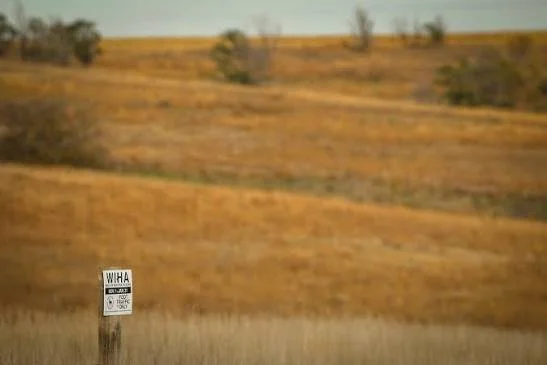
Access: Walk-in only. No vehicles on enrolled land. Tracts marked with WIHA signs.
Insider tip: The best deer-hunting WIHA tracts are not the big CRP grass blocks. They're the tracts with timber along a creek or river corridor. Use the WIHA atlas and satellite imagery to find tracts where a timbered creek cuts through enrolled ground, especially where the creek timber connects to larger blocks of private timber nearby. Those creek corridors funnel deer movement into predictable travel lanes, and on WIHA ground that just enrolled this year, the deer haven't been pressured on that specific tract before. Fresh ground with no hunting history is the best advantage WIHA kansas gives you. [TODO LINK: e-scouting for deer hunting -> /field-notes/e-scouting-for-deer-hunting]
Species You Can Hunt on Kansas Public Land
Whitetail is the main draw for DIY hunters, and Kansas delivers on its reputation. The state consistently ranks in the top five nationally for Boone and Crockett entries, and the northern and eastern river corridor counties (Riley, Pottawatomie, Marshall, Nemaha, Brown, Doniphan, Atchison, Leavenworth) produce the biggest deer. The agricultural food base, predominantly corn, soybeans, wheat, and milo, drives body weights and antler growth that compete with Iowa at their best.
Mule deer hold the western third of the state, roughly west of Highway 283. The Cimarron National Grassland, the western WIHA tracts, and select wildlife areas in the High Plains counties offer mule deer hunting on public access. Some areas hold both species in the transition zone.
Pronghorn hunting is available through a drawn tag system in western Kansas. The Cimarron National Grassland and surrounding WIHA tracts provide public access. Draw odds vary by unit, and preference points apply.
Turkey hunting is excellent across the eastern two thirds of Kansas. Rio Grande and Eastern turkey populations overlap, and spring gobbler season runs from mid-April through the end of May. Tags are over the counter. The Flint Hills and eastern timber corridors hold strong bird numbers. [TODO LINK: spring turkey public land tactics -> /field-notes/spring-turkey-public-land-tactics]
Pheasant hunting is a Kansas tradition, concentrated in the western and central counties where CRP grass, stubble fields, and shelter belts support wild bird populations. The WIHA program is the primary public access tool for pheasant, and the October opener draws hunters from across the Midwest.
Quail (bobwhite and scaled), dove, waterfowl, and rabbit round out the small-game menu. Kansas sits in the Central Flyway, and the managed wetlands at Quivira NWR, Cheyenne Bottoms, and the reservoir wildlife areas provide strong public waterfowl access.
Season Structure for Public Land Hunting in Kansas
Archery deer: Mid-September through December 31. The entire rut, pre-rut, and late season falls within archery.
Muzzleloader deer: Mid-September through the end of September in most units.
Firearms deer: Approximately 12 days starting the Wednesday after Thanksgiving. This is the one window where the woods (and river bottoms) get crowded.
Extended firearms: Early January in select units for antlerless deer.
Spring turkey: Mid-April through May 31. Youth weekend precedes the general opener.
Fall turkey: October through November and again in January. Over the counter.
Pheasant: Second Saturday in November through January 31.
Quail: Second Saturday in November through January 31.
The archery season is the centerpiece for DIY deer hunting. Mid-September through December 31 gives you three and a half months of bow season, and the rut peaks in mid-November. A two-week trip timed to November 1 through November 14 puts you in the stand during the rut's most active phase with a fraction of the pressure that the late-November firearms season brings.
Non-resident archery tags are over the counter. Non-resident firearms tags require a draw. If you're a bowhunter, Kansas is one of the most accessible premium whitetail states in the country. If you want to hunt with a rifle, start applying and building preference points now.
Access Tips for Kansas Public Hunting Areas and WIHA
WIHA tracts change every year. The atlas updates each August. Download the current year's map from the KDWP website or iSportsman Kansas app before the season. A tract you hunted last November may not be enrolled this year.
WIHA is walk-in only. No vehicles on enrolled land. No camping. No permanent stands. Park on the county road and walk in. Respect the landowner's property. Bad behavior costs landowner participation, and landowner participation is what makes the whole program work.
iSportsman check-in. Several Kansas wildlife areas now use the iSportsman system for electronic check-in and check-out. Download the app and create an account before your trip. Check-in is required before hunting and check-out is required when you leave. The system also tracks harvest.
Camping. Most KDWP wildlife areas don't allow camping on the wildlife area itself. Corps of Engineers campgrounds exist around the major reservoirs (Milford, Tuttle Creek, Perry, Clinton, Kanopolis). The Cimarron National Grassland allows dispersed camping. State parks adjacent to wildlife areas offer campgrounds. Plan lodging before your trip.
Rifles are legal. Kansas allows centerfire rifles for deer during firearms season statewide. On public land, be aware that other hunters can reach further than in shotgun-only states.
Orange requirements. During firearms deer season and the spring turkey youth weekend, Kansas requires a minimum of 200 square inches of blaze orange visible from all directions. That's less than most states require, but enforcement is strict. Wear the orange.
HIP registration. If you hunt migratory birds (dove, waterfowl) on any Kansas public land, you need a Harvest Information Program registration in addition to your state and federal stamps. It's free and takes two minutes online.
Gear Considerations for Public Land Hunting in Kansas
Kansas hunting demands gear that handles two things: wind and temperature extremes. November in Kansas swings from 60-degree afternoons to 15-degree mornings within the same week, and the wind blows hard across the open ground that dominates most of the state.
Wind-blocking outer layer. The KUIU Axis Hybris jacket blocks wind without being loud, which is the exact combination Kansas whitetail hunting demands. The open timber and field-edge setups mean wind hits you from every direction, and a shell that doesn't stop wind makes 30 degrees feel like 15.
Boots for river bottoms. The best Kansas deer hunting happens in the river corridor timber, and that means creek crossings, standing water in the bottoms, and mud. LaCrosse Alphaburly Pro in 800g or 1600g handles the water and the cold. For the drier upland WIHA tracts and the Cimarron Grassland, Danner Pronghorn gives you tread and support on the harder ground.
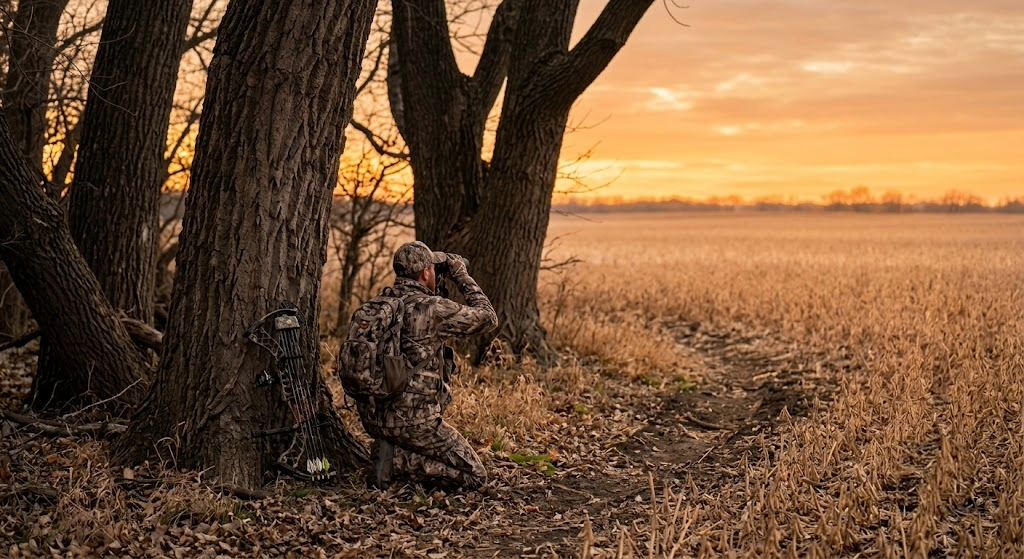
Binoculars are mandatory. Kansas hunting involves more glassing than almost any other whitetail state. The open timber, agricultural field edges, and long sight lines on the WIHA tracts make binoculars the single most important piece of gear after your weapon. Vortex Diamondback HD 10x42 covers the field-edge glassing at 200 to 500 yards and the low-light timber work for under $230.
Mobile setup. WIHA tracts don't allow permanent stands. Corps lands have varying stand rules. A Tethrd Phantom saddle platform with climbing sticks gives you complete mobility on ground you've never hunted before. Kansas deer hunting is very often a cold-call situation where you e-scout a WIHA tract the night before, drive there at dawn, and set up on the best tree you can find near a terrain feature. A mobile setup makes that process work.
Cellular trail camera. On the small Kansas public tracts where every visit increases your scent footprint, a Muddy Matrix 2.0 cellular camera eliminates the walk-in visits. Hang it at a river crossing or field-edge entry trail in August and don't come back until you hunt. [TODO LINK: how to set up trail cameras on public land -> /field-notes/how-to-set-up-trail-cameras-on-public-land]
Layering for 40-degree swings. A morning that starts at 20 degrees and ends at 55 by noon destroys a single-outfit hunter. Layer with a wicking base, a modular mid layer you can remove, and a wind-blocking outer shell. The base layer review on LandsToHunt covers the full range by temperature and material.
Finding Unpressured Ground on Kansas Public Hunting Areas
Kansas sells roughly 80,000 to 100,000 deer permits a year. That's less than Iowa, Missouri, or Wisconsin, but the public acreage is smaller and more concentrated. Pressure on the well-known wildlife areas near Topeka, Lawrence, and Manhattan is real, especially during firearms season and on weekends during archery. Here's how to find the ground other hunters skip.
Hunt the WIHA tracts nobody else finds. The WIHA atlas contains thousands of tracts. Most out-of-state hunters pick the biggest ones near the towns they're staying in. The 160-acre WIHA tract with a timbered creek corridor 20 miles from the nearest town draws almost zero pressure and holds deer that feed on the surrounding private corn and beans. Use the atlas and satellite imagery to find tracts with timber, not just grass. A 160-acre WIHA with 40 acres of creek-bottom timber is worth more for deer than a 640-acre WIHA that's all CRP grass.
Hunt the river bottoms, not the uplands. Kansas pheasant hunting drives most of the public-land foot traffic to the upland CRP grass and stubble fields. The river bottom timber corridors on the wildlife areas and WIHA tracts hold deer that see minimal pressure because pheasant hunters don't go there and most deer hunters glass from the road rather than walking into the thick bottoms.
Hunt weekday archery in November. The first two weeks of November are the rut's peak in Kansas, and firearms season doesn't start until late November. A weekday archery sit during the first week of November on any wildlife area or WIHA tract puts you on rutting bucks with minimal competition. This is the window that out-of-state archery hunters should build their entire trip around.
For property-level terrain analysis before your trip, Hunting Scout builds interactive scouting reports from real USGS and NOAA data for any wildlife area or WIHA tract. The funnel detection works on Kansas's subtle river-bottom terrain, flagging creek crossings, timber pinch points, and field-edge funnels that satellite imagery alone won't show you. Three free reports per month, no credit card required.
For properties adjacent to public ground that you're evaluating for a lease or purchase, ScoutFlight Hunting Assessments delivers drone-based property reports with terrain, cover, and habitat analysis.
Frequently Asked Questions About Public Land Hunting in Kansas
How much public hunting land is in Kansas?
Kansas has roughly 350,000 acres of state wildlife areas, about 108,000 acres of Cimarron National Grassland, significant Corps of Engineers land around the major reservoirs, and over 1 million acres of WIHA walk-in access on private land. Combined, the state offers well over 1.5 million acres of public hunting access, with the WIHA program providing the majority.
What is WIHA in Kansas?
WIHA (Walk-In Hunting Access) is a Kansas program where private landowners voluntarily enroll their property for public walk-in hunting. Enrolled tracts are marked with WIHA signs and mapped on the KDWP atlas and iSportsman Kansas app. You can hunt these tracts on foot without permission from the landowner. No vehicles, no camping, no permanent stands. Over a million acres are enrolled annually, but tracts change year to year. Check the updated atlas every August.
Can non-residents buy an archery deer tag in Kansas over the counter?
Yes. Non-resident archery deer permits are available over the counter at about $342.50 (plus the $97.50 hunting license). No draw, no preference points, no waiting. You can decide in September and hunt that November. Non-resident firearms deer permits require a draw, and odds tighten each year. For bowhunters, Kansas is one of the most accessible premium whitetail states in the country.
When is the rut in Kansas?
Peak breeding in Kansas falls in mid-November, roughly November 10 through November 20 in most of the state. Pre-rut chasing activity starts in late October and builds through the first week of November. Post-rut activity carries into early December. The entire rut falls within the archery season, which is why a two-week archery trip in early to mid-November is the highest-value DIY whitetail hunt Kansas offers.
Is Kansas a rifle state for deer?
Yes. Kansas allows centerfire rifles for deer during the firearms season statewide. There are no caliber restrictions. The firearms season runs approximately 12 days starting the Wednesday after Thanksgiving. During archery season (mid-September through December 31), only archery equipment is legal for deer.
Can you camp on Kansas wildlife areas?
Most KDWP wildlife areas don't allow camping on the wildlife area itself. Corps of Engineers campgrounds exist around the major reservoirs, and state parks adjacent to many wildlife areas offer campgrounds. The Cimarron National Grassland allows dispersed camping. For multi-day trips, reserve a campsite or lodging before your trip, especially during firearms season and pheasant opener.
What are the best counties for public land deer hunting in Kansas?
For trophy whitetail: Riley, Pottawatomie, Marshall, Nemaha, Brown, Doniphan, and Atchison counties in the northeast, where river bottom habitat and rich agricultural soils produce the state's biggest deer. For the best combination of access and deer quality: Geary (Milford WA), Jefferson (Perry WA), and Greenwood (Fall River WA). For mule deer: Morton (Cimarron National Grassland), Rawlins, Decatur, and Thomas counties in the far west.
How do WIHA tracts compare to state wildlife areas for deer hunting?
State wildlife areas are permanent public properties managed by KDWP with consistent boundaries, road access, and management history. Deer in wildlife areas have been hunted year after year and have adjusted their behavior accordingly. WIHA tracts are private land that enroll annually, meaning fresh ground with deer that may not have been hunted on that specific tract before. The trade-off is that WIHA tracts are often smaller, lack parking infrastructure, and disappear from the program without notice. For deer hunting, newly enrolled WIHA tracts with creek-bottom timber are often better value than heavily pressured wildlife areas.
Want the full breakdown of every Kansas wildlife area and WIHA program details plus the same for all 50 states? Subscribe to the LandsToHunt newsletter and get our free state-by-state public land hunting guides delivered to your inbox.
Want the full breakdown of every Kansas wildlife area and WIHA program details plus the same for all 50 states? Subscribe to the LandsToHunt newsletter below and get our free state-by-state public land hunting guides delivered to your inbox.
This guide includes affiliate links to tools and gear we recommend for hunting Kansas public land. LandsToHunt.com earns a commission on qualifying purchases.
