Public Land Deer Hunting Iowa: How to Hunt the Best Whitetail State on the Ground Everyone Thinks Is Private
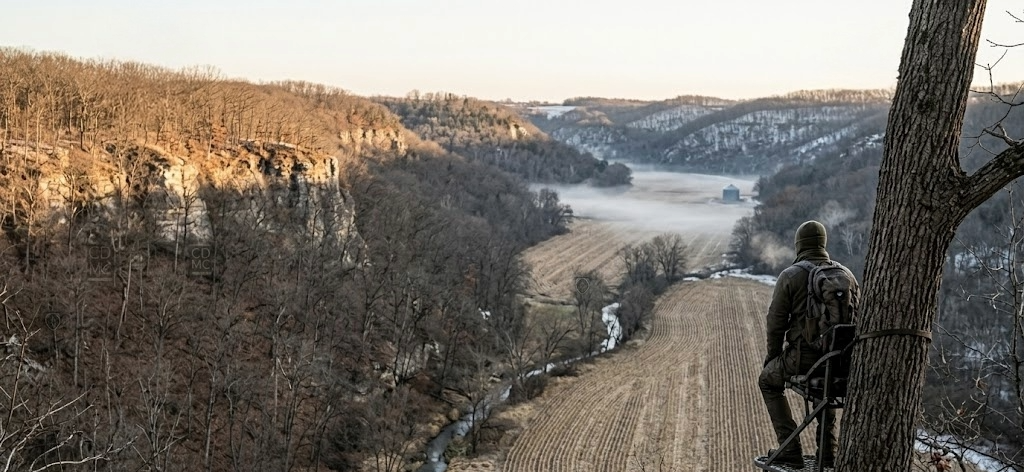
Iowa produces more Boone and Crockett whitetails per square mile than any other state in the country. That fact drives more out-of-state tag applications than any amount of marketing ever will. But the second fact most hunters learn about Iowa stops them cold: the state is roughly 97 percent privately owned, and the public hunting acreage is a fraction of what you'll find in Wisconsin, Pennsylvania, or Missouri.
Here's the third fact, the one that matters: public-land deer hunting in Iowa is not only possible but also very good if you know how access works. The state manages more than 500,000 acres of public hunting land across Wildlife Management Areas, state forests, county conservation areas, and the IHAP (Iowa Habitat and Access Program) walk-in lands that open private ground to public hunting. The tracts are smaller than the national forests you'd hunt in the Ozarks or the Alleghenies, but the deer that live on and around them carry genetics that no other state can match.
The catch is that Iowa's tag system requires planning. Non-resident firearm tags are drawn through a preference point system that takes multiple years. Non-resident archery tags are drawn through a separate allocation with better odds. And the archery season, which runs from early October through early December, covers the entire rut with a fraction of the pressure that the short firearms season brings. If you're a bowhunter willing to work small tracts on public ground in the best whitetail state in America, Iowa delivers. [TODO LINK: best states for whitetail hunting -> /field-notes/best-states-for-whitetail-hunting]
How Much Public Hunting Land Iowa Has
Iowa's public hunting access breaks down across several systems:
Wildlife Management Areas (WMAs): Roughly 380,000 acres across more than 350 WMAs, managed by the Iowa DNR. These range from 40-acre parcels to properties over 10,000 acres.
State forests: Several state forests, including Yellow River, Shimek, and Stephens, totaling about 44,000 acres
IHAP (Iowa Habitat and Access Program) walk-in lands: Private land enrolled in a voluntary program that allows public hunting. Adds tens of thousands of acres annually, concentrated in the farm-country regions. Tracts rotate year to year as landowners enroll and withdraw.
County conservation areas: Hundreds of small county-managed tracts scattered across every county, totaling thousands of additional acres
Army Corps of Engineers lands: Tracts around reservoirs, including Coralville, Red Rock, Rathbun, and Saylorville
National Wildlife Refuges: Upper Mississippi River NWR, DeSoto NWR, and Union Slough NWR offer seasonal hunting
Mississippi and Missouri River corridors: Federal and state-managed bottomland parcels along both river systems
The total is smaller than what neighboring states offer, and the parcels are generally smaller and more scattered. That's the reality. But the quality of the deer that live on and around these parcels is unmatched. A 300-acre Iowa public hunting area surrounded by 10,000 acres of corn and beans holds deer that feed on the richest agricultural food base in the whitetail range. The public ground is the bedding. The private ground is the kitchen. Your job is to intercept them moving between the two.
For licensing, Iowa residents pay about $30 for a deer hunting license (covers one antlered or antlerless deer). Non-residents pay $551 for a non-resident deer license. Non-resident archery-only licenses run about $351. All non-resident deer tags are drawn through a lottery. Archery tags are easier to draw than firearms tags, and the preference point system means first-time applicants for firearms may wait 3 to 5 years. Start applying and stacking points now if you haven't already.
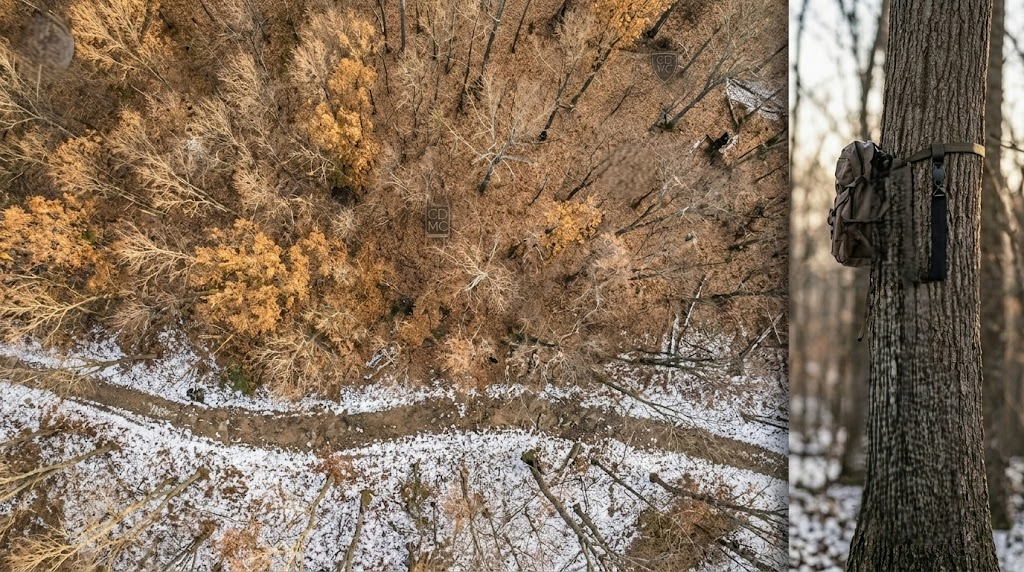
Top 12 Iowa Public Hunting Areas for Deer
Yellow River State Forest
Managing agency: Iowa DNR
Acreage: ~8,500
Region: Allamakee County, far northeast Iowa driftless region
Primary species: Whitetail, turkey, grouse (limited), squirrel
Terrain: Steep limestone bluffs, deep hollows, hardwood ridges, cold-water trout streams, the most rugged terrain in Iowa
Access: Forest roads with some gated interior. Primitive camping at designated sites.
Insider tip: The Yellow River is Iowa's version of the driftless bluff country that makes southeast Minnesota and southwest Wisconsin famous for big bucks. The terrain is steep enough to discourage casual hunters, and the deer that bed on the upper bluffs grow old because nobody climbs to them. Hunt the saddles connecting parallel ridge systems during the rut. The topo makes them obvious. A Tethrd Phantom saddle platform is the right setup here because the hardwoods on the bluff edges are big enough to support a saddle but too remote for pre-hung stands.
Shimek State Forest
Managing agency: Iowa DNR
Acreage: 9,100
Region: Lee and Van Buren counties, far southeast Iowa
Primary species: Whitetail, turkey, squirrel
Terrain: Rolling hardwood hills, oak-hickory ridges, creek bottoms, gentler than the driftless but still hilly
Access: Good road access to parking areas. Primitive camping available.
Insider tip: Shimek sits in one of the best deer-density zones in Iowa, and the surrounding agricultural ground drives body weights and antler growth that reward the time it takes to draw a tag. The creek bottoms that wind through the forest create natural travel corridors with pinch points at every confluence. Place a Muddy Matrix 2.0 cellular camera at a creek crossing in August and you'll have a clear picture of buck movement by October without ever walking to the camera.
Stephens State Forest
Managing agency: Iowa DNR
Acreage: 15,500 (across multiple units)
Region: Lucas, Monroe, and Appanoose counties, south-central Iowa
Primary species: Whitetail, turkey, squirrel
Terrain: Rolling hardwood hills, thick understory, scattered pine plantations, crop field borders
Access: Multiple units spread across three counties. Road access to parking areas. Primitive camping at designated sites.
Insider tip: Stephens is the largest state forest in Iowa and one of the most overlooked public deer hunting properties in the state. The scattered-unit structure means each unit is a self-contained hunting property surrounded by private agricultural land. The smaller, more remote units (Whitebreast Unit, Unionville Unit) get a fraction of the pressure that the main Woodburn Unit draws. Hunt the small units, and you're functionally on private ground.
Hawkeye WMA
Managing agency: Iowa DNR
Acreage: 10,200
Region: Johnson County, east-central Iowa
Primary species: Whitetail, waterfowl, pheasant, dove
Terrain: Iowa River bottomland, managed wetlands, agricultural fields, timber blocks, prairie grass
Access: Good road access with multiple parking areas. Some seasonal closures on waterfowl management areas.
Insider tip: Hawkeye draws most of its attention for waterfowl, and that works in your favor during archery deer season. The timber blocks between the managed wetlands hold whitetails that feed on the surrounding agricultural ground. While the duck hunters focus on the water, the timber corridors between the wetland units see almost no deer-hunting pressure during the October and November archery seasons.
Loess Hills State Forest
Managing agency: Iowa DNR
Acreage: 11,500 (across multiple units)
Region: Harrison and Monona counties, western Iowa, along the Missouri River
Primary species: Whitetail, turkey
Terrain: Unique loess (wind-deposited silt) bluffs, steep, narrow ridges, deep-cut ravines, oak-dominated timber, prairie remnants on south-facing slopes
Access: Multiple units along the Loess Hills ridge. Road access to parking areas. Some steep walk-ins.
Insider tip: The Loess Hills are some of the most dramatic terrain in the Midwest, and the deer that live in them use the steep, narrow ridges and ravines the way Appalachian deer use mountain terrain. The ridgetop saddles are the high-value features. Deer cross at the low points rather than climbing over the tops, and the narrow ridge structure compresses these crossings into very tight funnels. One saddle in the Loess Hills can produce the way three saddles in gentler terrain would, because the deer have fewer options.
Red Rock WMA (Elk Rock and Howell Station Units)
Managing agency: Iowa DNR / Army Corps of Engineers
Acreage: 30,000+ across multiple units around Red Rock Reservoir
Region: Marion County, south-central Iowa
Primary species: Whitetail, turkey, waterfowl, dove, pheasant
Terrain: Lake shoreline, timber blocks, brushy draws, agricultural borders, river bottom hardwood
Access: Road access to many units. Some areas are restricted during waterfowl season. Boat access for shoreline hunting.
Insider tip: Red Rock is the largest reservoir in Iowa, and the Corps land surrounding it creates one of the biggest contiguous public hunting areas in the state. The Elk Rock unit on the east side holds excellent deer in the hardwood blocks between the lake and the surrounding farmland. Most hunters gravitate to the waterfowl areas near the dam. Push south and east into the timber blocks beyond the duck-hunting zones, where deer see a fraction of the pressure.
Sweet Marsh WMA
Managing agency: Iowa DNR
Acreage: 3,200
Region: Bremer County, northeast Iowa
Primary species: Whitetail, waterfowl, pheasant
Terrain: Managed wetlands, cattail marshes, hardwood timber edges, crop field borders
Access: Road access to parking areas. Waterfowl blind assignments on some units.
Insider tip: Sweet Marsh is a wetland property that most hunters visit for ducks, but the hardwood timber strips bordering the marsh hold very good deer. The narrow timber corridors between the open marsh and the adjacent agricultural fields create natural travel funnels that deer use daily. The duck-hunting crowd ignores the timber completely. Hunt the edges where cattail marsh meets hardwood in October, and you'll have the deer woods to yourself.
Volga River State Recreation Area
Managing agency: Iowa DNR
Acreage: 5,400
Region: Fayette County, northeast Iowa
Primary species: Whitetail, turkey, squirrel
Terrain: Wooded bluffs along the Volga River, rolling hardwood ridges, some prairie, and the Frog Hollow Lake shoreline
Access: Good road access. Campground on site. Some areas are shared with recreational users.
Insider tip: Volga River SRA sits in one of the best whitetail counties in Iowa, and the timber along the Volga River bluffs holds mature bucks that pattern predictably in October. The recreational campers and day-users leave before dark, and the deer know the schedule. Evening sits on the timber edges overlooking the river bottom, produce well because the deer wait for the people to leave before moving to feed. Plan your entry so you're in the stand before the last park visitors drive out.
Rathbun WMA
Managing agency: Iowa DNR / Army Corps of Engineers
Acreage: 16,000+ across multiple units around Rathbun Reservoir
Region: Appanoose County, south-central Iowa
Primary species: Whitetail, turkey, waterfowl, quail
Terrain: Lake shoreline, brushy draws, timber blocks, agricultural borders, mixed grass and hardwood
Access: Multiple units with road access. Some shoreline units accessible by boat.
Insider tip: Rathbun's scattered units create the same dynamic as Stephens State Forest. Each unit is a self-contained property surrounded by private agricultural land. The deer use the public timber for bedding and the private fields for food. The smaller, harder-to-find units north and east of the reservoir get the least pressure. Use onX Hunt to find the 200 to 500-acre units that don't show up on the basic Iowa DNR map, and hunt the timber edges bordering crop fields during archery season.
Riverton WMA
Managing agency: Iowa DNR
Acreage: 2,600
Region: Fremont County, far southwest Iowa, along the Missouri River
Primary species: Whitetail, waterfowl, dove, pheasant
Terrain: Missouri River bottomland, cottonwood and willow flats, managed wetlands, crop stubble
Access: Road access with some seasonal flooding on low-lying roads.
Insider tip: Riverton is small and gets hammered for waterfowl, but the cottonwood bottoms along the Missouri River hold bucks that feed on the surrounding corn and bean fields. The narrow river-bottom timber creates pinch points where deer cross between bedding in the dense river cover and feeding on the ag fields. During archery season, the duck hunters haven't arrived yet, and the entire property is a deer hunting opportunity disguised as a duck marsh.
Lake of Three Fires State Park (and adjacent WMA)
Managing agency: Iowa DNR
Acreage: 700 (park) plus adjacent WMA acreage
Region: Taylor County, southwest Iowa
Primary species: Whitetail, turkey, squirrel
Terrain: Wooded ridges around a small lake, hardwood timber, brushy edges
Access: Park roads with designated hunting areas. Campground available.
Insider tip: Taylor County is one of the top trophy-deer counties in Iowa, and Lake of Three Fires is one of the few accessible public tracts in the area. The property is small, so pressure concentrates quickly during firearms season. But archery hunters who walk past the popular shoreline areas and hunt the ridges on the south end find deer that have very little competition. The surrounding ag country is home to deer that make the effort of drawing a tag and driving to southwest Iowa worthwhile.
IHAP Walk-In Hunting Areas (Statewide)
Managing agency: Iowa DNR (administered program on private land)
Acreage: Varies year to year, typically 20,000 to 30,000+ acres enrolled statewide
Region: Concentrated in western, central, and northern Iowa farm country
Primary species: Whitetail, pheasant, quail, waterfowl (varies by tract)
Terrain: CRP grass, crop stubble, small timber blocks, shelterbelts, waterways
Access: Walk-in only. No vehicles on enrolled land. Tracts marked with IHAP signs.
Insider tip: Iowa walk-in hunting areas are the state's secret weapon for pheasant and deer access in the farm-country regions where traditional public land is scarce. IHAP tracts change year to year as landowners enroll and withdraw, so check the Iowa DNR's online IHAP map every August before the season. The best deer-hunting IHAP tracts are the ones with timber blocks adjacent to crop fields. CRP grass tracts are better for pheasants but hold fewer deer. Filter for tracts with timber on satellite imagery, and you'll find bedding habitat that feeds directly onto private ag ground.
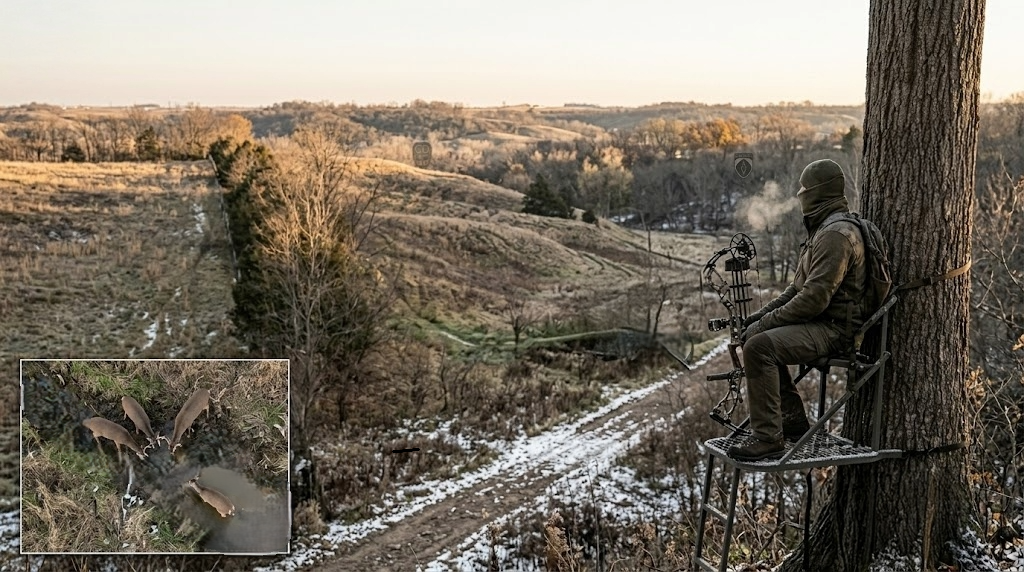
What You Can Hunt on Iowa Public Land
Whitetail is why most hunters think of Iowa, and the deer deliver. The state produces more Boone and Crockett entries per capita than any other state in the country, driven by a combination of abundant agricultural resources, a one-buck limit that preserves age structure, and moderate hunter density. The southern tier of counties (Lucas, Wayne, Appanoose, Davis, Van Buren, Lee) and the driftless northeast (Allamakee, Clayton, Winneshiek) produce the best trophy potential. But Iowa grows good deer statewide. Even the central counties that don't make the magazine covers hold 140-class bucks on public ground.
Turkey hunting in Iowa is strong and growing. The spring gobbler season runs through April and May, with multiple periods and available tags over the counter. Nearly every WMA and state forest holds turkeys, and the farm-country timber blocks produce vocal, responsive birds in the spring.
Pheasant hunting drives a significant portion of Iowa's small-game hunting tradition, especially in the northwest and north-central counties where CRP acreage and grassland habitat support wild birds. The IHAP walk-in program is the primary public access tool for pheasants. Iowa's pheasant opener in late October draws hunters from across the Midwest.
Waterfowl hunting is excellent along both the Mississippi and Missouri River corridors, at DeSoto NWR, on the managed wetlands at Hawkeye and Sweet Marsh, and on dozens of smaller WMAs with potholes and marshes. The Central and Mississippi Flyways overlap in Iowa, which means the state catches migration from both corridors.
Season Structure for Public Land Deer Hunting Iowa
Iowa's deer season structure heavily favors the archery hunter:
Archery: Early October through early December, then reopens from late December through mid-January. The full rut falls within the archery season.
Early muzzleloader: A short window in mid-October.
Youth/disabled: A weekend in late September.
Firearms (shotgun/muzzleloader): Approximately 5 to 7 days in early December. Iowa restricts deer firearms to shotguns (slugs) and muzzleloaders in the shotgun zone (most of the state). Select southern counties allow centerfire rifles.
Late muzzleloader: Late December through early January.
January antlerless: An extended antlerless-only season in January on select areas.
The firearms season is short and intense. Five to seven days of shotgun season concentrate pressure in a way that gun seasons in Wisconsin, Pennsylvania, and Alabama don't. The upside is that the pressure wave passes quickly, and the late archery window from late December into January gives bowhunters another shot at bucks that survived firearms week.
The non-resident tag draw is the biggest barrier to entry. Non-resident archery tags draw through a lottery with decent odds if you apply early (odds have tightened in recent years, but remain far better than firearms). Non-resident firearms tags use a preference point system, with wait times of 3 to 5 years, depending on the zone. Apply every year and stack points while you wait. The tag is worth the patience.
Access Tips for Iowa Public Hunting Areas
The IHAP map updates annually. Iowa walk-in hunting tracts change every year. New landowners enroll, others withdraw. Download the current IHAP map from the Iowa DNR website every August before the season. Don't rely on last year's map. A tract you hunted in November might not be enrolled this season.
Camping is limited. Most Iowa WMAs do not allow camping. State forests (Yellow River, Shimek, Stephens) have designated primitive camping areas. Corps of Engineers lands around the reservoirs have campgrounds. Plan lodging before your trip, especially during firearms week and pheasant opener, when nearby towns fill up fast.
No check-in system in most areas. Iowa WMAs don't require sign-in before hunting. You park, walk in, and hunt. Harvest reporting is done through the Iowa DNR electronic reporting system.
Vehicle restrictions. On WMAs, vehicles are restricted to designated parking areas and roads. Don't drive on field edges, gated roads, or two-tracks. Violations on Iowa public land carry meaningful fines.
Shotgun zone restrictions. Most of Iowa falls in the shotgun zone, where centerfire rifles are not legal for deer. You'll hunt with shotgun slugs, muzzleloader, or archery equipment. A handful of southern counties allow rifles. Check the current zone map on the Iowa DNR website before buying ammunition.
Blaze orange. Iowa requires blaze orange on the head and at least 400 square inches on the upper body during all firearms deer seasons. This applies to all hunters in the field during those dates, including bowhunters.
IHAP walk-in rules. You can hunt IHAP tracts on foot only. No vehicles on enrolled land. No camping. No permanent stands. Park on the public road and walk in. Treat the landowner's property with respect. The program depends on willing landowners, and bad behavior from hunters causes landowners to withdraw.
Gear Considerations for Public Land Deer Hunting Iowa
Iowa's terrain is gentler than Ohio's hill country or Pennsylvania's mountains, but the weather is brutal. November in Iowa means cold, wind, and the kind of raw conditions that test every layer in your system.
A serious cold-weather system. Iowa archery through firearms season runs from October through January, with temperatures dropping from the 50s in early October to well below zero in January. The KUIU Axis Hybris jacket covers the October and November window. For late-season sits below 15 degrees, layer an insulated puffy mid-layer under a windproof shell. The base layer review on LandsToHunt covers the full temperature range.
Boots for cold and mud. Iowa's farm-country WMAs are flat, muddy, and cold in November. LaCrosse Alphaburly Pro in 1600g handles the combination of standing water, crop-stubble mud, and cold-weather sits. For the hillier state forest terrain in the northeast and southeast, Danner Pronghorn in 800g or 1200g gives you the tread and ankle support the bluffs demand.
Mobile setup. Iowa's small public tracts and high deer quality demand mobility. A Tethrd Phantom saddle platform with climbing sticks lets you set up on any tree at any location without pre-hanging anything. On IHAP walk-in lands where no permanent stands are allowed, a mobile saddle or hang-on is the only option.
Binoculars. Iowa hunting involves a lot of field-edge glassing. Bean fields, corn stubble, CRP grass, and timber-field transitions are where deer feed, and a quality binocular lets you pattern deer from 300 yards without walking through the spot. Vortex Diamondback HD 10x42 is the standard recommendation at under $230.
Cellular trail camera. On small Iowa public tracts, every walk to a camera increases your scent footprint on a property where the margin for error is thin. A Muddy Matrix 2.0 sends photos to your phone without a visit. Hang it in August and don't go back until you hunt.
Mapping app. onX Hunt is critical in Iowa because the small, scattered public tracts mixed with private land make boundary awareness essential. IHAP tracts are shown on the Iowa DNR map and on onX. Without a digital boundary line, you're guessing where public ends and private starts on tracts as small as 40 acres.
Finding Unpressured Ground for Public Land Deer Hunting Iowa
Iowa's public land challenge isn't total acreage. It's per-tract pressure on small properties. A 500-acre WMA that draws 20 hunters on firearms opener doesn't absorb that pressure the way a 20,000-acre national forest does. Your edge on Iowa public ground comes from three things.
Hunt the small tracts nobody else finds. Iowa has hundreds of county conservation areas, small WMAs, and IHAP tracts under 500 acres that don't show up on any list and don't draw out-of-state attention. Use onX Hunt and the Iowa DNR hunting atlas to find every tract in your target county, then cross-reference against satellite imagery. The 80-acre WMA with a timber block surrounded by beans that nobody's talking about is better than the 10,000-acre property everyone drives to.
Hunt archery, not firearms. Iowa's 5 to 7-day firearms season concentrates the state's hunting pressure into one intense week. The archery season stretches from early October through early December and draws a fraction of the crowd. A weekday archery sit on any Iowa WMA in the first two weeks of November is a fundamentally different experience than the firearms opener on the same property. The rut is in full swing, the competition is minimal, and the deer are still moving during daylight.
Hunt the IHAP walk-in lands nobody walks to. IHAP tracts turn over annually, which means many of them are fresh ground that no hunter has walked before. The tracts that enrolled this year have deer that haven't been pressured on that specific piece of ground, and the hunters who check the updated IHAP map first have the first-mover advantage. Treat IHAP tracts like a rotating menu of fresh public ground.
For property-level terrain analysis before your Iowa trip, Hunting Scout builds interactive scouting reports from real USGS and NOAA data for any WMA, state forest, or IHAP tract. The automated funnel detection works on Iowa's gentle farm-country terrain as well as the steep driftless bluffs in the northeast. Three free reports per month, no credit card required.
For properties adjacent to public ground that you're evaluating for a lease or purchase, ScoutFlight Hunting Assessments delivers drone-based property reports with terrain, cover, and habitat analysis.
Frequently Asked Questions About Public Land Deer Hunting Iowa
How much public hunting land is in Iowa?
Iowa has roughly 500,000 acres of public hunting land, combining WMAs (380,000 acres), state forests (44,000 acres), Corps of Engineers land, county conservation areas, and National Wildlife Refuges. The IHAP walk-in program adds tens of thousands of additional acres annually on enrolled private land. The total is smaller than neighboring states, but the deer quality on and around these tracts is the highest in the country.
How long does it take to draw an Iowa non-resident deer tag?
Non-resident archery tags draw through a lottery with decent odds in most years, though the odds have tightened recently. Many first-time applicants draw within 1 to 2 years. Non-resident firearms tags use a preference point system with waits of 3 to 5 years, depending on the zone. Start applying and stacking preference points now. The tag is worth the wait.
Can you use a rifle for deer in Iowa?
In most of the state, no. The majority of Iowa falls in the shotgun zone where deer firearms are restricted to shotguns (slugs) and muzzleloaders. A handful of southern counties allow centerfire rifles. Check the current zone map on the Iowa DNR website. Archery equipment (compound, crossbow, longbow) is legal statewide during archery season.
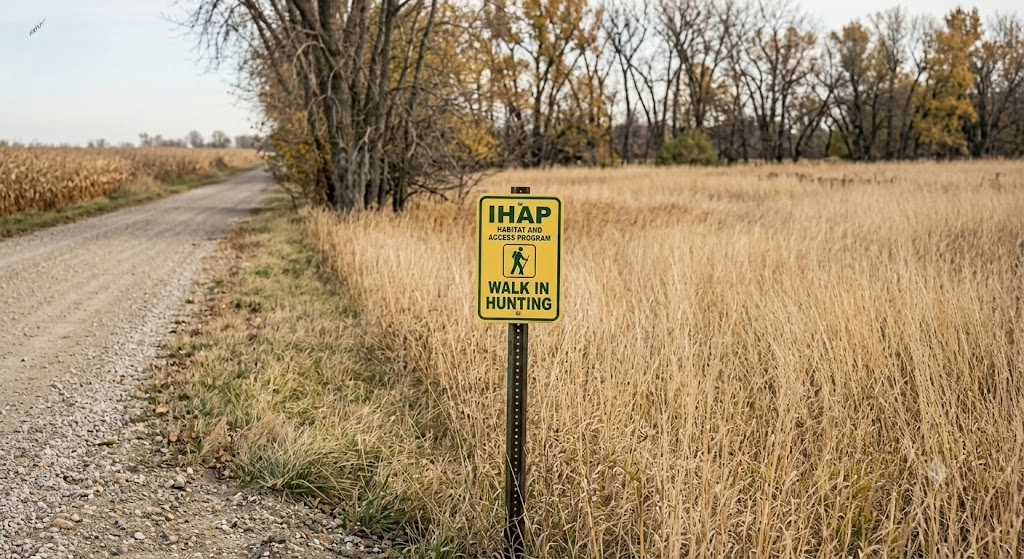
What is IHAP walk-in hunting in Iowa?
IHAP (Iowa Habitat and Access Program) is a voluntary program where private landowners enroll their property to allow public hunting access. Enrolled tracts are marked with IHAP signs and mapped on the Iowa DNR website. You hunt on foot without permission from the landowner. No vehicles, no camping, no permanent stands on enrolled land. Tracts rotate year to year as landowners enroll and withdraw, so check the updated map every August.
When is the best time to hunt public land deer in Iowa?
The first two weeks of November are during archery season. The rut is peaking, firearms season hasn't started, and midweek pressure on any WMA or state forest is minimal. This is the window when Iowa's public-land deer hunting justifies the effort to draw a tag. If you can only hunt one week a year in Iowa, pick November 1 through November 14 and hunt with archery equipment.
Is Iowa public land deer hunting worth it for non-residents?
Yes, with the right expectations. Iowa public land tracts are smaller and more scattered than those you'll find in Wisconsin, Pennsylvania, or Missouri. You're working harder per acre. But the deer that live on and around these tracts carry genetics and body conditions that no other state matches. If you're a bowhunter who excels at hunting small tracts, reading terrain, and adapting to limited access, Iowa's public ground delivers deer that justify the tag cost and the wait. If you need 10,000 acres of unbroken public forest to feel comfortable, look at Wisconsin or Pennsylvania first.
What are the best counties for public land deer hunting in Iowa?
For trophy antler potential: Lucas, Wayne, Appanoose, Davis, and Van Buren counties in the south, and Allamakee, Clayton, and Winneshiek counties in the driftless northeast. For the best combination of deer quality and accessible public acreage: Appanoose (Rathbun WMA and Stephens State Forest), Lee (Shimek State Forest), and Allamakee (Yellow River State Forest). The southern tier and the driftless northeast produce the biggest deer, and the state forests and Corps lands in those regions provide the most contiguous public access.
Can you camp on Iowa public hunting land?
Most Iowa WMAs do not allow camping. State forests (Yellow River, Shimek, Stephens) have designated primitive camping areas. Corps of Engineers campgrounds are located around the major reservoirs (Red Rock, Rathbun, and Coralville). For out-of-state hunters, plan lodging early, especially during firearms week and pheasant opener, when small-town hotels and campgrounds fill up fast.
Want the full breakdown of every Iowa WMA and state forest with species data and maps, plus the same for all 50 states? Subscribe to the LandsToHunt newsletter below and get our free state-by-state public land hunting guides delivered to your inbox.
This guide includes affiliate links to tools and gear we recommend for hunting Iowa's public land. LandsToHunt.com earns a commission on qualifying purchases.
