Public Land Deer Hunting Tips: 12 Lessons from Hunters Who Do This Every Season
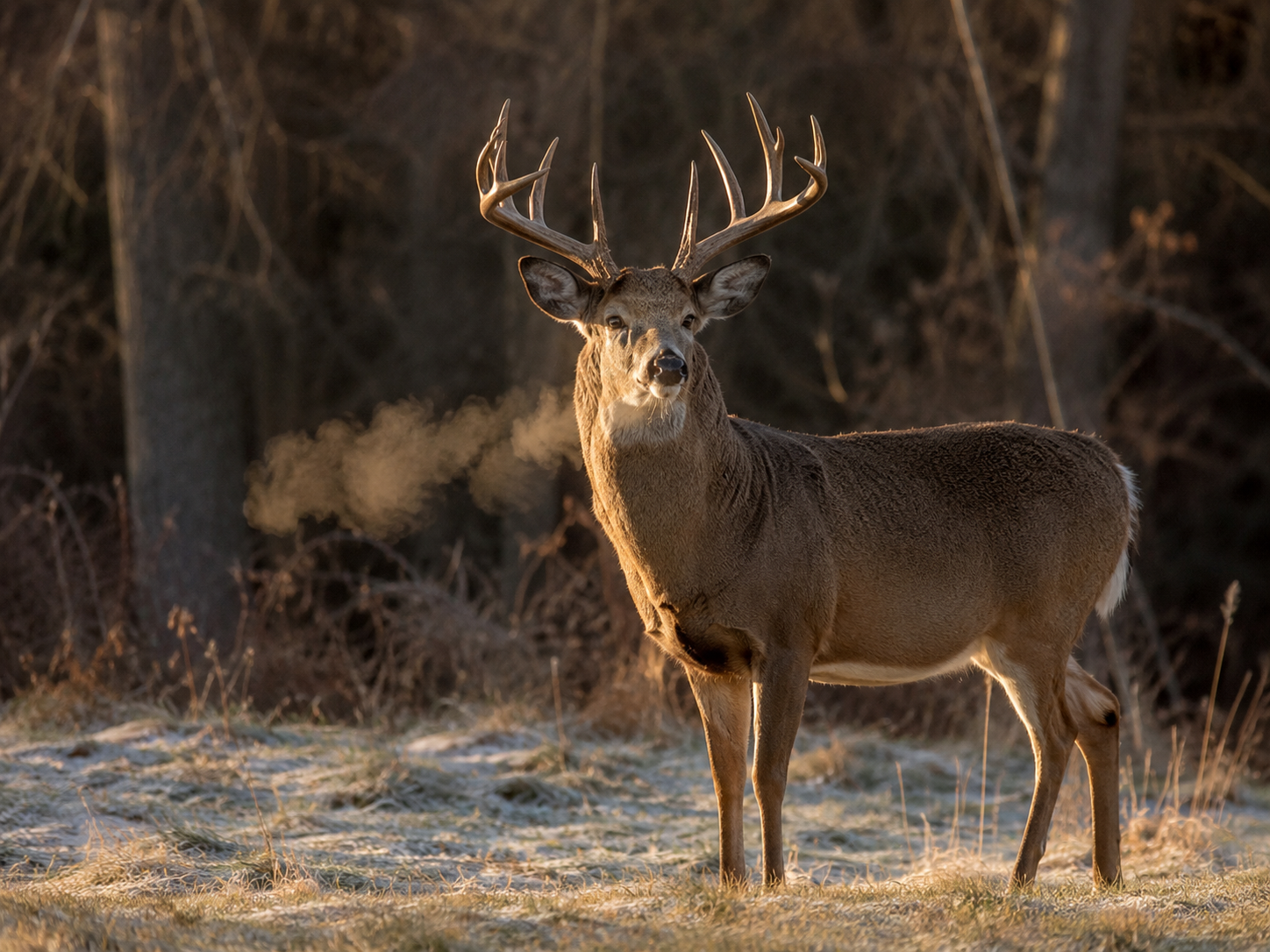
Public-land deer hunting is a different sport from hunting on private ground. You don't control the pressure. You don't decide who walks through your spot on opening morning. And the deer you're chasing have been educated by every other hunter on the property since the day the season opened.
But public land also levels the playing field. Everyone has the same access to the same ground. The hunters who consistently kill deer on State Game Lands, national forests, WMAs, and county forests aren't luckier than everyone else. They're more disciplined about a handful of things that most hunters skip. These are the tips that make the difference.
1. Scout in Layers, Not All at Once
The biggest scouting mistake on public land is trying to do everything in one trip. Walk the whole property, find sign, hang a stand, and hunt it the next morning. That approach burns the spot before you ever sit in it.
Break your scouting into three phases. Start with e-scouting from home using a mapping app to identify terrain funnels, thick cover, and spots far from parking areas. Then walk those pins during the off-season to verify the sign and access. The final phase is a light verification check 2 to 5 days before your hunt. Fresh sign, wind options, and entry routes. You're confirming, not exploring.
For digital terrain analysis, Hunting Scout builds interactive scouting reports from real USGS and NOAA data for any public or private tract. Run a report on your target property before your first boot-scout trip, and you'll know where the funnels, saddles, and pinch points are before you ever set foot in the woods.
2. Hunt Where Other Hunters Won't Walk
Pressure on public land concentrates predictably. Hunters park at pull-offs, walk established trails, and set up within a half mile of their trucks. The data on this are consistent across all states and all tracts. Deer response to that pressure is also predictable: they move away from it, deeper into the thick, steep, nasty terrain that nobody wants to fight through.
Your edge is distance and difficulty. Push past the mile mark from any parking area. Cross the creek. Climb the steep side of the ridge. Drop into the swamp bottom. The deer you find there live on a different schedule than the ones within earshot of the parking lot.
3. Learn to Read a Topo Map
Topo maps tell you where deer travel before you ever see a track. Saddles on ridgelines funnel movement between drainages. Benches on steep slopes create travel corridors. Creek confluences pinch deer into narrow crossing points. Inside corners where field edges meet timber concentrate feeding activity.
If you can read contour lines, you can identify every one of these features from your kitchen table and pin them on your mapping app before your first scouting trip. This single skill eliminates more wasted time than any other aspect of public land hunting.
4. Play the Wind or Stay Home
Wind discipline is non-negotiable on public land. Pressured deer respond to human scent faster and more decisively than private land deer because they've been conditioned by encounters with other hunters all season. One bad wind at your stand and the deer you're hunting won't come back for days.
Have multiple stand locations that play different wind directions. Check the forecast the night before and hunt the spot that matches. If the wind doesn't work for any of your setups, stay out. A burned spot is worse than an empty morning.
5. Go Mobile
Fixed stand locations on public land have a shelf life. Other hunters find them. Deer pattern around them. Weather shifts make yesterday's perfect spot today's worst option. A mobile setup, whether that's a saddle like the Tethrd Phantom, a lightweight hang-on with climbing sticks, or a ground setup with natural cover, lets you adjust daily based on what the deer and the wind are telling you.
The hunters who kill consistently on public land aren't sitting in the same tree all season. They're moving with the deer, the pressure, and the conditions.
6. Use Cellular Trail Cameras (and Accept the Risk)
Trail cameras on public land disappear. Accept that before you hang the first one. Run cellular models like the Muddy Matrix 2.0 so you never have to walk in to check them. Mount high (7 to 8 feet up), face north, and place them at terrain funnels more than a half mile from any parking area. The camera sends photos to your phone. You never visit it until you're ready to hunt the spot.
Two to three cameras on a single tract is the sweet spot. More than that increases your exposure without a proportional increase in your intelligence.
7. Hunt the Right Time, Not Just the Right Place
Weekday hunts on public land are a cheat code most hunters can’t or won’t use. If you can take a Tuesday or Wednesday off work, you're hunting ground that feels like private land compared to the Saturday crowd. The deer know the difference. Mature bucks on pressured public ground move more freely Monday through Thursday because their encounters with hunters drop by 80 percent.
Beyond weekdays, the first two weeks of November, during archery season, before gun opener floods the property with pressure, is the most productive window on almost every public tract in the whitetail range.
8. Invest in Optics Before Anything Else
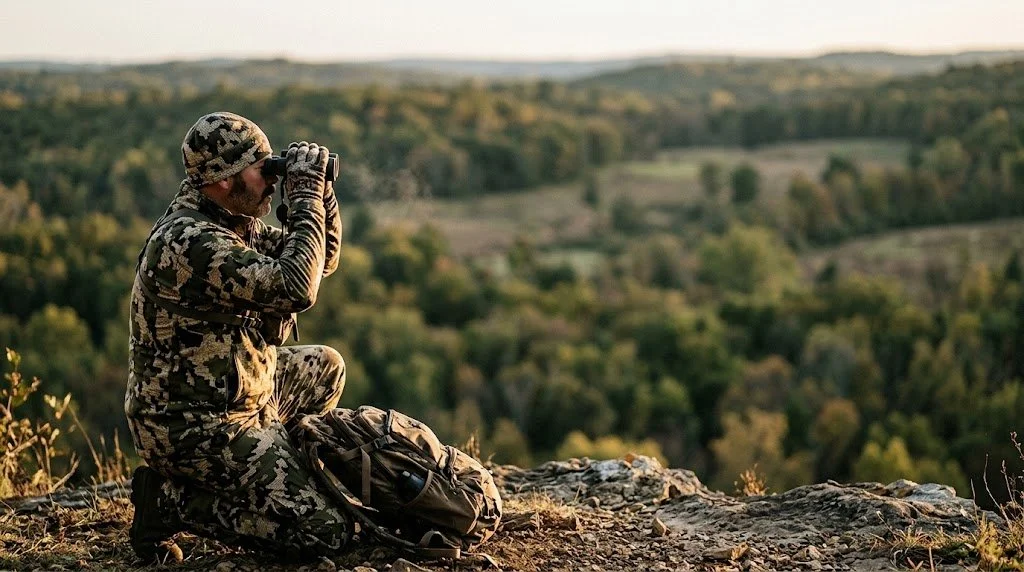
A good pair of binoculars lets you read terrain, spot deer at a distance, check sign without walking to it, and glass feeding areas from 300 yards away instead of blundering into them. The Vortex Diamondback HD 10x42 is the standard recommendation for public land hunters. It punches well above its $230 price point, and the Vortex VIP unconditional lifetime warranty means you'll never buy another pair. If you're on a tighter budget, the Vortex Crossfire HD 10x42 runs about $150 and gets the job done.
9. Match Your Boots to the Ground
More public land hunts end early because of cold, wet, or blistered feet than any other gear failure. Match your boots to the terrain and the season. For dry-ground ridge hunting on State Game Lands and national forests, the Danner Pronghorn gives you the ankle support and tread you need on steep terrain. For wet ground, creek crossings, and late-season cold, the LaCrosse Alphaburly Pro handles standing water and keeps your feet warm through all-day sits.
10. Manage Your Entry and Exit
How you get to your stand matters as much as where it is. Walk through a bedding area on the way in, and you'll bump deer out of the spot you plan to hunt. Let deer see or smell you on the way out,, and they won't be there tomorrow morning.
Plan your approach routes during your off-season scouting trips. Use creek bottoms, terrain features, and vegetation screens to stay hidden and downwind. On your walk out after an evening sit, wait until full dark,, and use a route that keeps you away from where deer were feeding. A 15-minute delay and a longer walk out protect the spot for your next hunt.
11. Layer Your Clothing System
Public land deer season spans from 70-degree September archery openers to single-digit late muzzleloader mornings. No single outfit covers that range. Build a modular system with a moisture-wicking base layer, a fleece or insulated mid layer, and a quiet, weather-resistant outer shell.
The KUIU Axis Hybrid jacket is the outer layer I trust for whitetail hunting. It's quiet against branches, sheds light rain and wind, and layers over everything from a thin merino base to a heavy fleece without restricting your draw.
12. Use the Data That's Available to You
State wildlife agencies publish harvest data, season dates, WMA maps, and population surveys. Mapping apps show you property boundaries, topo lines, satellite imagery, and public land access. Federal datasets give you terrain, hydrology, and weather history. The hunters who consistently succeed on public land aren't working harder than everyone else. They're using better information.
Hunting Scout pulls all that data into a single interactive scouting report for any piece of ground. Terrain funnels, wind-scored stand picks, scent cones, and habitat analysis, all built from real USGS and NOAA data. Three free reports per month, no credit card required.
For properties where you want a professional assessment of terrain, cover, and habitat before you commit to a hunt plan, ScoutFlight Hunting Assessments delivers drone-based property reports that give you the aerial perspective that boot scouting alone can't provide.
Frequently Asked Questions
What is the best time to hunt public land deer?
Weekday archery hunts during the first two weeks of November are the most productive window on most public tracts. The rut drives mature buck movement during daylight, and the archery crowd is a fraction of the gun-season pressure. If you hunt during gun season, days three through five after the opener often produce well because the initial pressure wave pushes deer into predictable refuges.
How do you find good spots on public land?
Start with a mapping app and look for terrain features (saddles, pinch points, creek crossings, benches) that sit more than a mile from any parking area. Verify those spots with off-season boot scouting and confirm fresh sign before your hunt. The best public land spots combine strong terrain features, heavy deer sign, and difficult access that keeps other hunters away.
How do you deal with hunting pressure on public land?
Three ways: go deeper than other hunters walk, go on days when other hunters don't (weekdays), and use the pressure to your advantage by positioning yourself where deer flee to when they're pushed. After opening day on any public tract, deer move to the steepest, thickest, most inaccessible terrain on the property. Scout for those pressure refuges in advance and hunt them on day three.
What gear do you need for public land deer hunting?
A mobile stand or saddle setup, a quality mapping app, binoculars, rubber boots for scent control on the walk in, a layered clothing system that handles the temperature range of your season, and a cellular trail camera or two on key terrain features. The gear that matters most on public land is the gear that lets you adapt, move, and stay on the ground longer than other hunters.
Which states have the best public land deer hunting?
Wisconsin (6 million acres, over-the-counter tags, long archery season), Pennsylvania (4.7 million acres of State Game Lands and state forests), Ohio (no rifles, 5-month archery season, strong antler restrictions), and Kentucky (Daniel Boone National Forest, over-the-counter tags) rank among the best for DIY public land whitetail hunting.
Want more public land hunting strategies and state-by-state guides? Subscribe to the LandsToHunt newsletter below and get free hunting guides, gear picks, and seasonal tactics delivered to your inbox.
