This guide includes affiliate links. As an Amazon Associate, I earn from qualifying purchases. See all my gear picks in the LandsToHunt Amazon store.
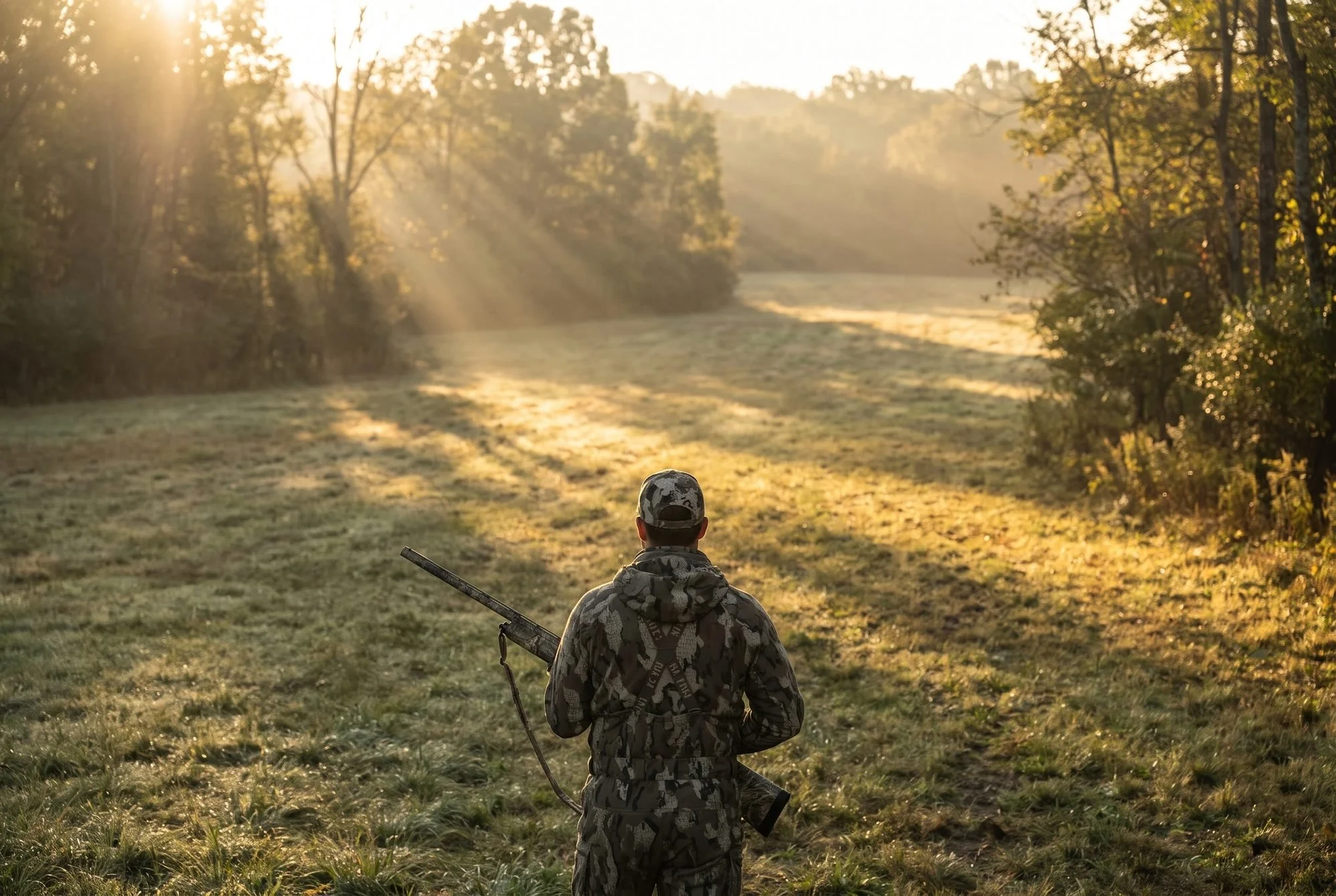
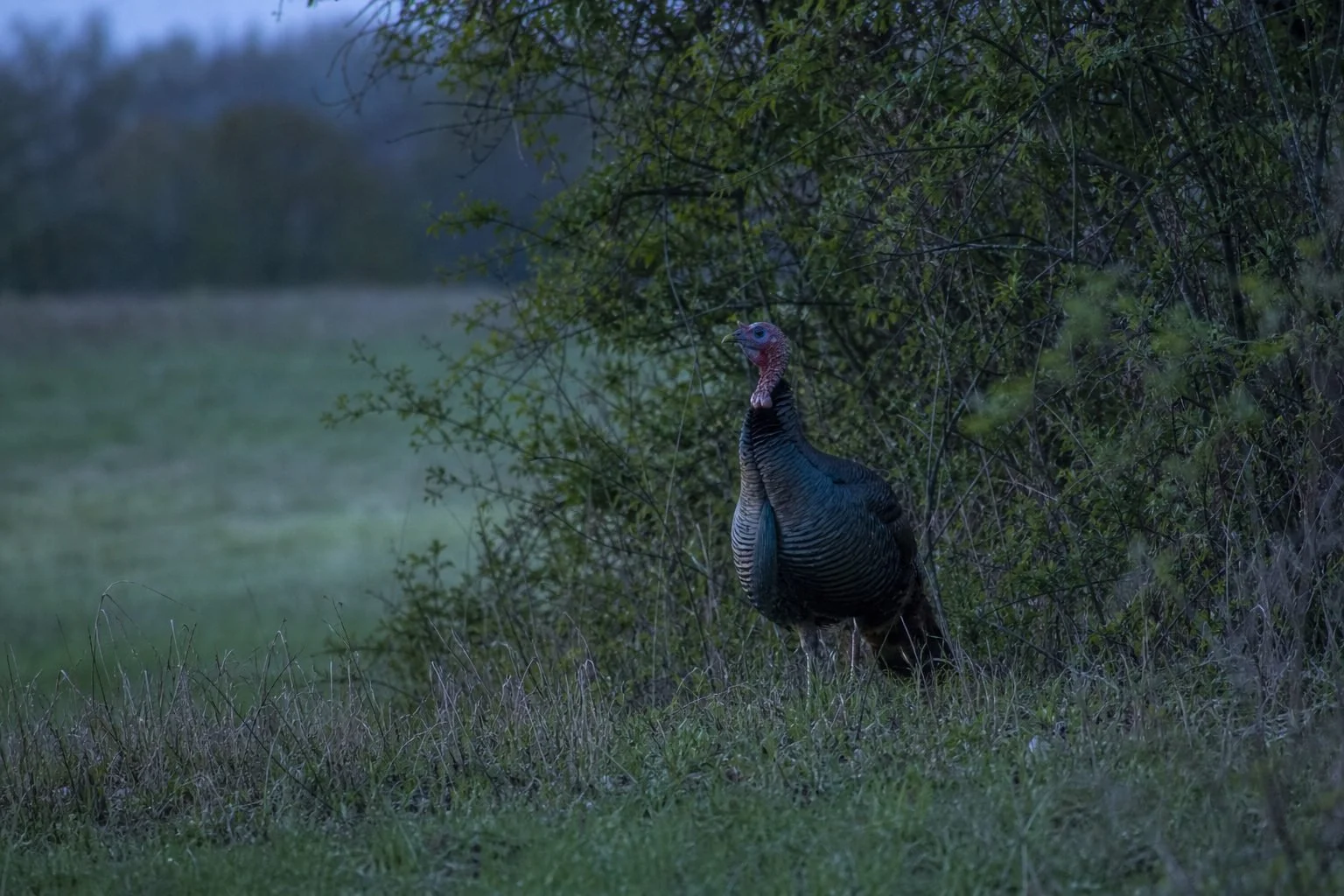
At 5:58 a.m., the gobbler on the far ridge cut loose. By 6:10, two more trucks had pulled into the gravel lot behind mine. You know how that morning ends. Somebody calls too loud, somebody walks too close, and the bird that was hammering on the limb goes silent for the rest of the week. Good spring turkey public land tactics come down to one job: hunting the bird that's left after everyone else has educated him.
That bird is a different animal than the strutter on a private hayfield. He needs a different plan.
I've spent a lot of springs on national forests, WMAs, and state game areas across the Midwest and South. What follows is the system that keeps putting gobblers in my vest when the parking lots are full.
Why Spring Turkey Public Land Tactics Start With Pressure
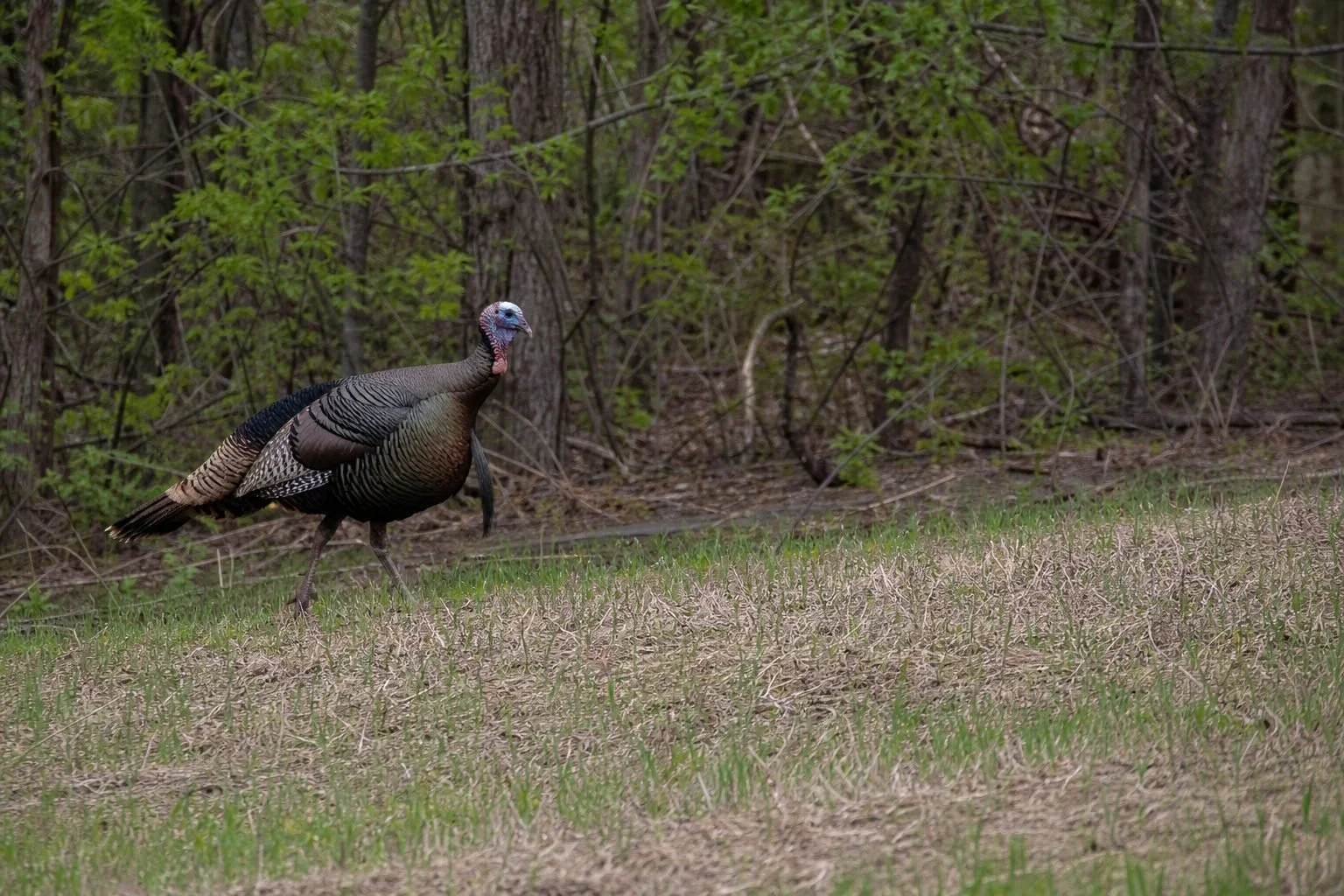
On private ground, a mature tom gobbles on the limb, flies down, and struts for his hens until a hen wanders off or a call pulls him away. Public land birds learn fast. Every bad yelp, every slammed truck door, every hunter who bumps him off a strut zone teaches him something, and he doesn't forget.
Researchers have tracked this too. Mike Chamberlain's turkey research group at the University of Georgia has put GPS units on gobblers in hunted areas and found that birds changed where they traveled and how much they gobbled once hunting season opened. Pressure shows up in their behavior within days.
How Pressured Gobblers Behave
They gobble hard on the roost, then shut down once they hit the ground.
They hang up 60 to 80 yards out and strut, waiting for the "hen" to come to them.
They sneak in silent, often from behind you or off your weak side.
They move strut zones away from roads and into interior openings or thicker cover.
So here's the core idea. Hunt where the pressure isn't, call like a turkey instead of a hunter, and stay put longer than the guy in the next hollow. Simple to say. Hard to do on opening morning when your heart's pounding.
I built Hunting Scout to do the map work for you. Tag your stands and it ranks them against tomorrow's wind, pressure, and thermals, then tells you which one to sit. The rut predictor tracks your latitude too. Start with 3 free reports a month. Run a free scout report
Pre-Season Scouting for Public Land Turkeys
E-Scout for the Walk Nobody Else Will Make
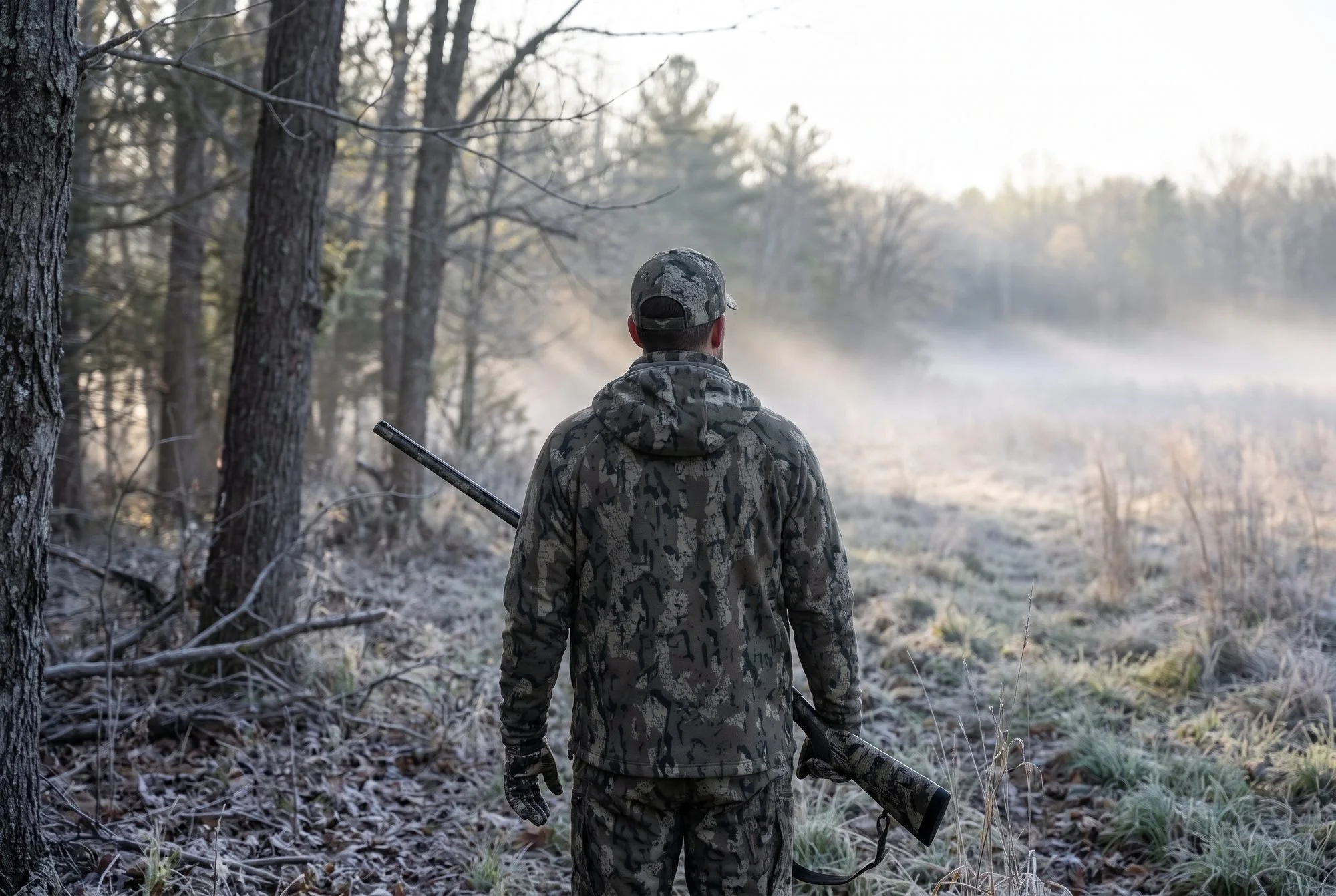
Start on a screen before you ever burn boot leather. Pull up your target area in onX Hunt, turn on the public land boundary layer, and switch to satellite imagery. Then hunt for the spots most people skip:
Openings more than a mile from the nearest parking area
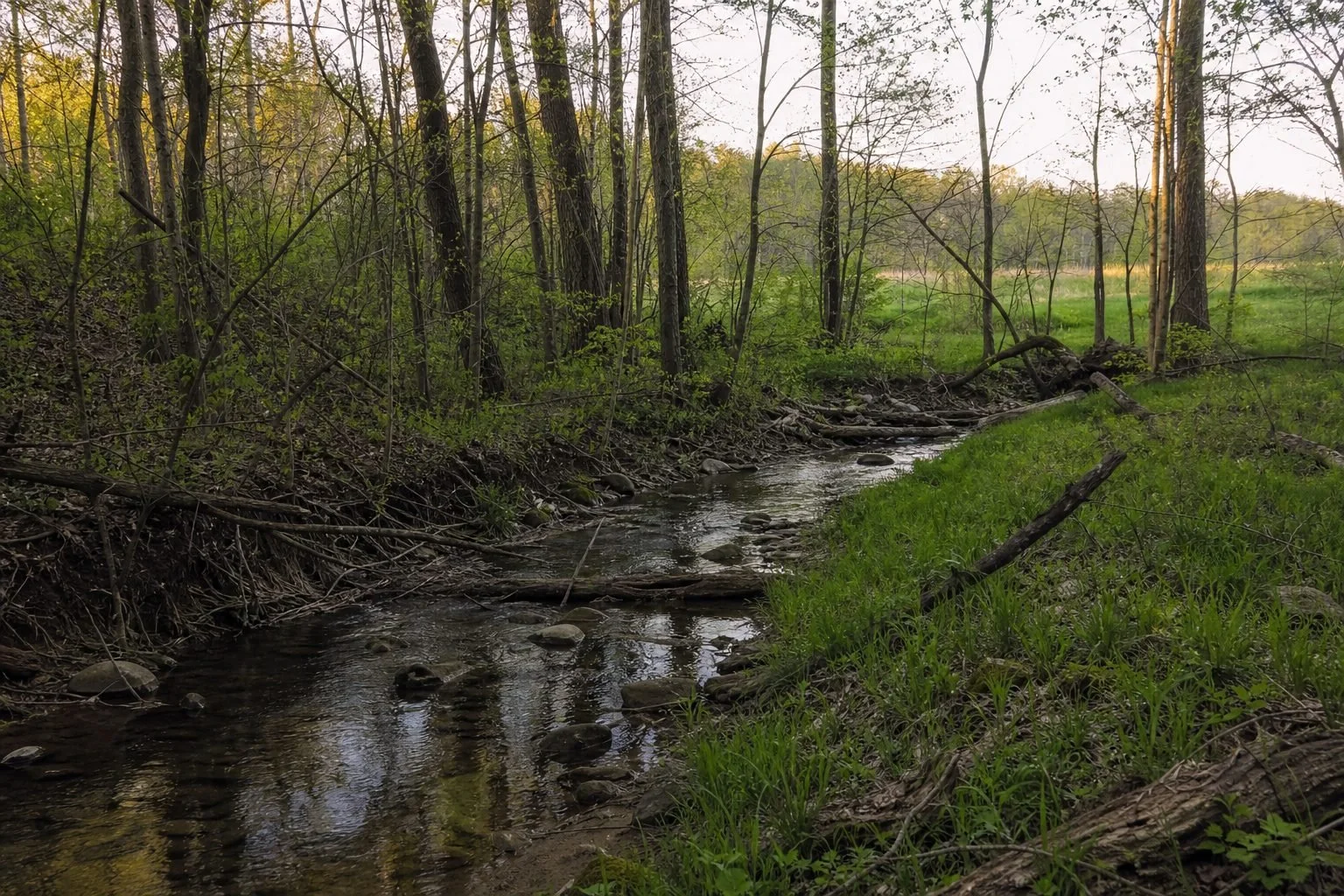
Ridges or benches you can only reach by crossing a creek
Back-side access from a different road, or through adjoining Forest Service ground
Gated logging roads that hold strut zones but keep vehicles out
Penn State research on Pennsylvania deer hunters found most of them stayed within about a third of a mile of a road. Turkey hunters aren't much different in my experience. Walk farther than everyone else and the crowd thins out fast.
One honest downside of onX: you pay a yearly subscription, and the app eats phone battery on a long morning with GPS running. Toss a small power bank in your vest. If your state guide sends you to unfamiliar ground, our breakdown on how to think outside the WMA with BLM, state forests, and trust lands will point you toward acres the crowd overlooks.
Read the Habitat Like a Land Manager
After 25 years of managing ground, I look at turkey habitat the way a hen does. She needs nesting cover, which means knee-to-waist-high grass and brush with a little openness overhead. Her poults need bugs. Bugs live in openings, clover, native warm-season grass, and fresh burns. And the gobblers? They strut wherever the hens are.
Call the district office of the U.S. Forest Service or your WMA manager and ask where they ran prescribed burns in the last one to two years. Turkeys pile into those units in spring. The new green growth draws insects, the open floor lets birds see danger coming, and gobblers love strutting across that black ground. Lots of WMAs also plant clover openings, wheat strips, or native grass fields. Mark every one of them.
Find Sign That Tells You Who Lives There
Droppings: J-shaped droppings come from gobblers. Spiral or blob-shaped droppings come from hens.
Strut marks: Thin, parallel lines in the dust alongside tracks show where a tom dragged his wingtips.
Dusting bowls: Shallow scrapes in dry dirt on logging roads and field edges, often with feathers nearby.
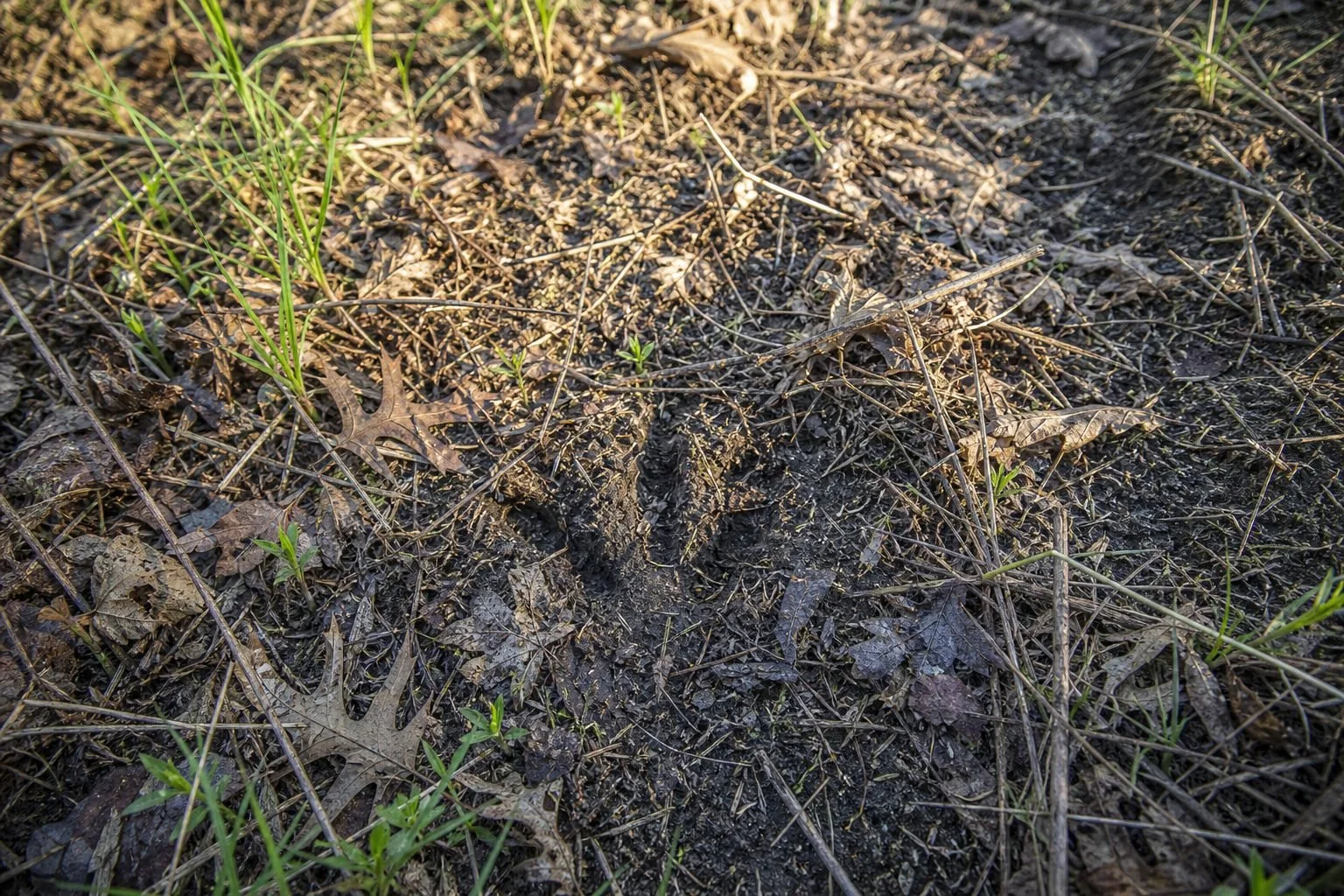
Tracks: A gobbler's track runs noticeably longer than a hen's, often pushing four and a half inches from heel to middle toe.
Scratching: Leaves kicked back under oaks and beech flats mean birds are feeding there regularly.
Roost Birds Without Pushing Them
Get to a high point at last light the evening before your hunt. Don't walk in close. Listen from a ridge road or gated trail and let him gobble at a barred owl call or at the sunset on his own. Drop a waypoint where you're standing, take a compass bearing, and estimate distance. Practice that last part, because a gobble at a quarter mile sounds very different from one at 150 yards.
Calling Pressured Gobblers on Public Land
Call Less and Call Softer
Every hunter in the county runs a box call loud on opening morning. The gobbler hears all of them from the limb. Be the hen who sounds a little bored instead.
My usual sequence runs like this. Soft tree yelps 15 minutes before fly-down. A fly-down cackle, with my hat slapped against my leg to mimic wingbeats. Then a long stretch of quiet. After that, purrs, clucks, and scratching leaves with my hand do more on public ground than a dozen aggressive cutting sequences ever will.
Change Up Your Sound
Carry three call types: a diaphragm, a slate or pot call, and a box. A lot of hunters on the same WMA run similar box calls, and the birds hear that same tone every morning. A raspy diaphragm or a slate with a different striker gives the gobbler something new.
Leave the gobble call at home. On public land, a gobble draws hunters as fast as turkeys, and that's how people get shot.
Hunt the Mid-Morning Window
Between roughly 9 a.m. and noon, hens slip away to lay eggs or sit nests. The gobbler that was surrounded at dawn ends up alone, and a lonely bird goes looking. Most public land hunters are back at the truck by 8:30.
That's your window.
Shooting hours vary a lot. Some states close at 1 p.m., others allow all-day hunting later in the season. Check your state agency's regulations before you plan around late mornings.
Setup Decisions That Make Spring Turkey Public Land Tactics Work
How Close to Get to the Roost
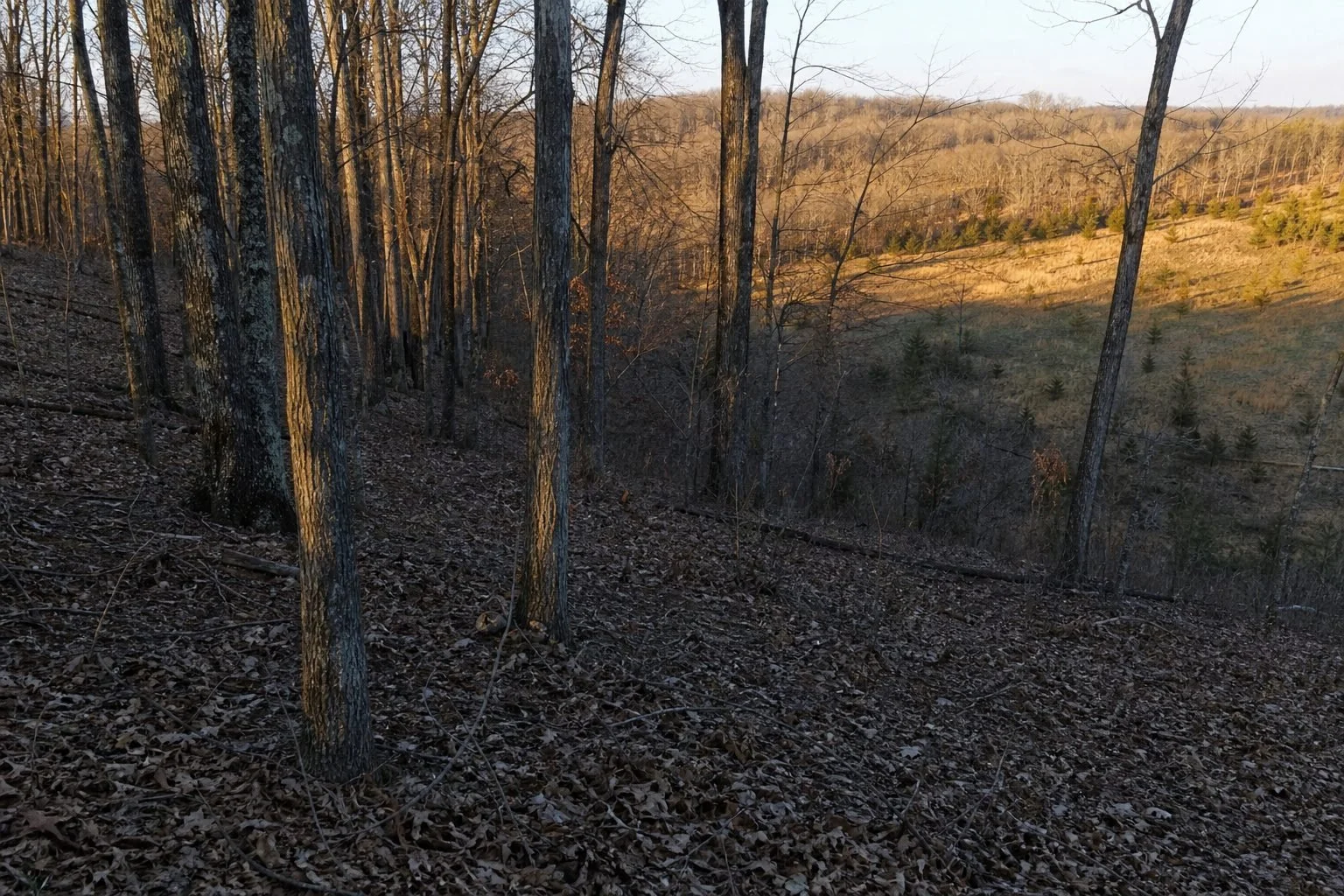
Before leaf-out, open hardwoods let a gobbler see 200 yards from the limb. Back off to that distance and let him come to you. After green-up, you can slip in to 100 or 125 yards. Getting greedy here costs more public land birds than bad calling does, and you rarely get a second chance at the same tom that week.
Let the Terrain Do the Work
Gobblers hate crossing creeks, fences, and deep ditches. Set up on his side of any obstacle. Then pick a spot where he has to crest a small rise or round a bend within 35 to 40 yards of your gun barrel. He won't see you until he's already in range. Sit against a tree wider than your shoulders, both for concealment and for safety from behind.
Decoys on Public Ground
Decoys help on public land, with limits. A single feeding or upright hen gives a hung-up gobbler something to focus on besides your silhouette. The Avian-X LCD Lookout Hen looks very real in soft morning light and holds up to years of stuffing in a vest. The tradeoff is bulk and price compared to a cheap foam decoy, and it adds weight on a two-mile walk in.
Skip jake and strutter decoys on pressured birds. A beat-up two-year-old tom that's been run off by bigger birds won't come near a strutter. Strutter decoys also put a fan and a red head in front of other hunters. Carry every decoy inside a bag, never in the open.
A Real Setup: Ozark Ridge, Opening Week
Here's how this looked in Missouri's Mark Twain National Forest a few springs back. The forest covers about 1.5 million acres, and the obvious gates get crowded fast.
I'd roosted a gobbler the night before on a hardwood point above a creek. Next morning, two trucks sat at the main gate. So I parked on a county road a mile and a half south, walked a ridge spine in the dark, and dropped onto a bench about 150 yards below his roost, on his side of the creek. Wind came out of the southwest around 10 mph. Turkeys don't hunt by scent, but that wind carried my calls up the hollow and covered the noise of my approach.
He gobbled about 30 times on the limb. Then someone near the gate started cutting hard at 6:20, and he went dead silent. I didn't move. Every 20 minutes or so, I purred, clucked softly, and scratched the leaves with my hand.
At 10:15, a white crown bobbed through the post oaks 60 yards out. No gobble. He came in quiet and stopped at 32 yards, and that was the end of it.
Timing Your Public Land Turkey Season
When you hunt matters nearly as much as where. Here's how the season usually breaks down on public ground:
Opening week: The most gobbling and the most hunters. Gobblers still have hens with them, so calling a bird away from his flock is tough.
Weekdays: Burn vacation days on Tuesday through Thursday. Weekend pressure shuts birds down, and they loosen up again midweek.
Mid-season: Hens start laying and leaving toms mid-morning. Your late-morning window opens wide.
Late season: My favorite stretch on public land. Hens are nesting, gobblers are lonely, and half the hunters have already quit.
Weather changes things too. On rainy days, birds head for fields, openings, and burns where they can see well, so hunt the edges. Windy days make gobbling hard to hear. Glass open areas instead of relying on your ears.
Gear for Spring Turkey Public Land Hunting
Public land turkey gear has to carry well over long walks and handle wet ground. Here's what earns a spot in my vest.
Shotgun Loads
Federal Premium Heavyweight TSS throws very dense patterns, and that tungsten super shot extends your effective range compared to lead. The con is cost. You're paying close to ten bucks a shell, so pattern your gun with a few before the season and don't treat TSS as permission to take 60-yard shots. On a budget, standard copper-plated lead 5s through a tight turkey choke still kill gobblers cleanly. Just keep shots inside 35 yards.
Binoculars
The Vortex Diamondback HD 10x42 helps you pick a white or red head out of timber and spot other hunters before you blunder into their setup. It's a bit heavy hanging in a turkey vest all morning, and some hunters prefer an 8x for wider field of view in thick woods. If $250 or so feels steep, the Vortex Crossfire HD 10x42 does the job for less, with slightly softer edge clarity.
Boots
Remember that creek you're crossing to get away from the crowd? The LaCrosse Alphaburly Pro keeps your feet dry through it and through soggy bottoms. Rubber gets hot by late May, and it's heavier on steep climbs than a leather hiker. For dry ridge country, a lighter leather boot fits better. Our species directory breaks down gear needs by game type if you're planning beyond turkey season.
Clothing and Concealment
Wear a camo pattern that matches spring green-up, along with a face mask and gloves. Never show red, white, blue, or black anywhere on your body. Those are the colors of a gobbler's head and feathers. A vest with a built-in fold-down seat cushion makes long, motionless sits a lot more bearable.
Three Mistakes Public Land Turkey Hunters Make
1. Leaving When the Gobbler Goes Quiet
Silence isn't failure. On pressured ground, the quiet gobbler is often the one coming. Give every setup at least 45 minutes after your last response, and longer after 9 a.m.
2. Crowding the Roost
Bumping a bird off the limb at dawn ruins him for days. Your setup distance matters more than your calls. Back off and let him close the gap.
3. Ignoring Other Hunters
Public land means company. If you hear calling close by, assume a person made it until proven otherwise. Never stalk a gobble. If another hunter walks toward your setup, call out in a clear voice. Don't wave, and don't move your call. Wear blaze orange when moving between setups and when carrying a bird out. The National Wild Turkey Federation publishes solid safety guidance worth reviewing every spring.
Spring Turkey Public Land Tactics FAQ
What time of day is best to hunt turkeys on public land?
Mid-morning, from about 9 a.m. to noon, gives public land hunters the best odds. Hens leave gobblers to lay or nest, and most other hunters have already gone home. Dawn still works, but you're competing with every other caller in the woods.
How far should you set up from a roosted turkey?
Set up 150 to 200 yards from the roost before leaf-out and 100 to 125 yards after green-up. Stay on the gobbler's side of any creek, fence, or ditch so nothing stops him from walking in.
Should you use decoys when turkey hunting public land?
Yes, a single hen decoy works well on public land. Skip jake and strutter decoys, since they intimidate pressured gobblers and can draw attention from other hunters. Always carry decoys in a bag.
What do you do when a gobbler hangs up out of range?
Stop calling and let him wonder. If he doesn't commit after 20 minutes, quietly back off and set up 75 to 100 yards to one side, then call softly. A hen that seems to be walking away often pulls a stubborn tom in.
The gobbler that beats everyone else on opening morning isn't unkillable. He's just waiting for someone patient enough to walk farther, call softer, and sit longer. Want help finding ground worth that walk? Check out our state-by-state public land directory, or start with our Indiana public land hunting guide. Then subscribe to the LandsToHunt email list to get our free state-by-state public land hunting guides delivered straight to your inbox before your next season opens.
Want a head start on the ground itself? I built Hunting Scout to scout any spot from home. Your first 3 reports each month are free. Try Hunting Scout
As an Amazon Associate, I earn from qualifying purchases. See all my gear picks in the LandsToHunt Amazon store.
