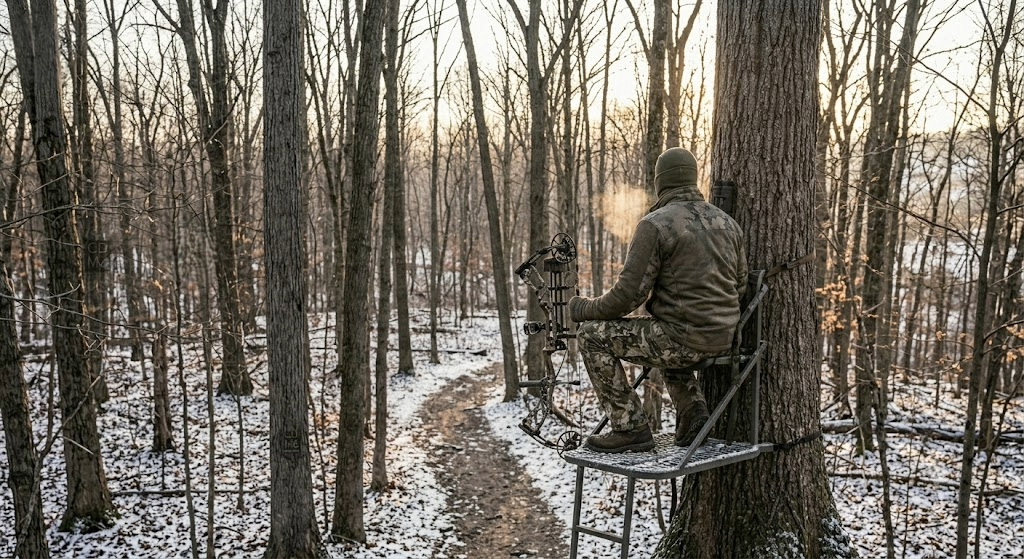
Cold kills hunts. Not because the deer stop moving, but because you do. A mature whitetail buck in November doesn't care that it's 15 degrees with a north wind ripping across a ridge. He'll be on his feet working scrapes and cruising funnels downwind right through the worst of it. The only question is whether you'll still be in your stand when he shows up.
That question comes down to your outer layer. The best hunting jackets for cold weather keep you warm without bulk, quiet without sacrificing wind protection, and mobile enough to draw a bow or raise a rifle when the moment comes. I've hunted late-season whitetails for over two decades, and I've frozen out of enough stands in the wrong gear to know what works and what just looks good on a mannequin. Here are six jackets that earn their price tags in real cold.
Quick Picks: Best Cold-Weather Hunting Jackets
Best Overall: Sitka Fanatic Jacket. GORE-TEX WINDSTOPPER, PrimaLoft Silver, dead silent Berber fleece. $500.
Warmest Jacket: KUIU Super Down Haven Hooded Jacket. Down insulated, windproof, ultra-quiet. $499.
Best for Extreme Cold: KUIU Kutana Gale Force Hooded Jacket. 100% waterproof, windproof, insulated hard shell. $559.
Best for Late-Season Whitetail: First Lite Thermic Jacket. 170gsm PrimaLoft Gold, sherpa lining, rated below 20F. $500.
Best Mid-Season Versatility: First Lite Core Jacket. Lighter insulation for a 20-45°F range, windproof, dead quiet. $450.
Best for Waterfowl and Crossover: Sitka Duck Oven Jacket. WINDSTOPPER top, fleece bottom for wader compatibility. $385.
Sitka Fanatic Jacket: Best Overall Cold Weather Hunting Jacket
The Fanatic has been the standard in cold-weather treestand jackets for years, and the current version earned that reputation honestly. The entire jacket wraps you in WINDSTOPPER by GORE-TEX LABS, which provides 100% wind protection. The exterior is a high-pile Berber fleece that Sitka developed with ungulate researchers at the University of Georgia to be functionally invisible to deer and completely silent during movement. PrimaLoft Silver insulation fills the space between that fleece shell and the interior liner.
The diagonal front zipper is the design feature that separates the Fanatic from everything else on the market. Sitka ran the zipper at an angle so they could build a low-profile handmuff and handwarmer pocket directly into the front of the jacket without adding bulk. Your hands stay warm and ready to draw, and you don't have to fumble with a separate muff hanging from a strap. Dedicated rangefinder and grunt tube pockets flank the zipper for quick deployment.
I wore my buddy's Fanatic for three straight days during a late-November sit in northern Michigan. Temps hovered around 20 degrees with a steady northwest wind. I never once thought about cold. That's the highest compliment you can pay a hunting jacket.
Limitations: At 46.2 ounces in a size large, this is not a light jacket. You're wearing it to sit, not to hike. The $500 price tag stings, and the Berber fleece grabs burrs like Velcro if you have to push through thick cover to reach your stand.
Best for: Dedicated treestand and saddle hunters who sit all day in sub-freezing temperatures and need absolute silence at full draw.
Price: $500. Check the current price at Sitka
KUIU Super Down Haven Hooded Jacket: Warmest Hunting Jacket
KUIU calls the Super Down Haven the industry's warmest whitetail jacket, and after wearing one through Michigan gun season, I'm not going to argue. The insulation is a mix of premium down fill and body-mapped synthetic panels, all wrapped in a windproof shell that blocks every gust. The exterior fabric is ultra-quiet, soft to the touch, and treated with DWR for light moisture resistance.
The details are what make KUIU gear worth the money. Magnetic pockets for silent access. Pit zips to dump heat during the walk-in. A removable hood with an adjustable cinch. A harness port in the back so you stay connected to your safety system while adding or removing layers. The jacket runs long enough to cover your lower back when seated, which matters more than most people realize during an all-day sit.
Limitations: Down insulation loses loft when wet. If you get caught in freezing rain or heavy snow, the Super Down Haven won't perform like a synthetic jacket until it dries out. Some users report a chemical smell from the factory that takes several washes to clear, and with a deer's nose, that's a real concern. The $499 price is a big commitment.
Best for: Treestand hunters in dry, cold conditions who want maximum warmth at the lowest possible weight.
Price: $499. Check the current price at KUIU
KUIU Kutana Gale Force Hooded Jacket: Best for Extreme Cold
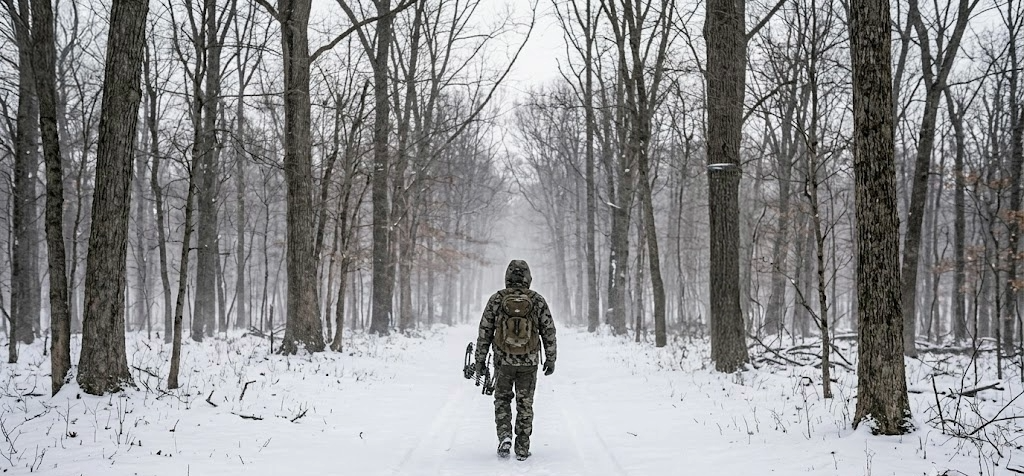
The Gale Force is the jacket you reach for when the forecast says single digits with a wind chill below zero, and you still plan to hunt. This is a fully waterproof, fully windproof, insulated hard shell. While the Super Down Haven and the Fanatic are designed for cold and dry conditions, the Gale Force handles cold, wet, windy, snowy, and everything else the weather throws at you.
The body-mapped insulation puts warmth where you need it most without creating bulk where you don't. The fit runs slightly longer than average, which is intentional. That extra length keeps wind and snow from riding up your back when you're seated in a stand or posted on a ridge. The 4.83-star rating from 926 reviews shows that most hunters who spend $559 on this jacket don't regret it.
I've worn the Gale Force on a late-season gun hunt in Michigan's northern Lower Peninsula when the thermometer read 8 degrees at daylight. With a merino base layer and a midweight fleece underneath, I sat until noon without discomfort.
Limitations: This jacket is not quiet enough for close-range bowhunting on pressured whitetails. The hard-shell fabric makes noise when it brushes against itself or against a tree stand. The $559 price tag makes the Gale Force the most expensive jacket on this list. And the waterproof membrane doesn't breathe as well as a softshell during the walk in, so you'll sweat if you hike hard without opening vents.
Best for: Gun hunters, late-season sits in mixed precipitation, extreme cold western hunts, and any situation where waterproof protection matters as much as warmth.
Price: $559. Check the current price at KUIU
First Lite Thermic Jacket: Best for Late-Season Whitetail
The Thermic is First Lite's answer to the coldest days of deer season, rated for temps below 20 degrees. The insulation package is heavy: 170gsm PrimaLoft Gold in the body and 133gsm in the sleeves and hood, backed by a sherpa fleece interior lining that feels like wearing a warm blanket. The exterior softshell is quiet, durable, and treated with DWR for light moisture.
First Lite designed every detail of the Thermic around bowhunting from a treestand or saddle. The contoured archery collar stays out of your bowstring's path. The removable hood snaps off cleanly when you want a lower profile. The KitLink magnetic pass-through system lets you reach into your bib's muff pocket without unzipping the jacket and dumping all your heat. Dual wrist bow release security loops keep your release from falling 20 feet to the ground.
Limitations: The Thermic weighs 66 ounces, making it the heaviest jacket on this list by a wide margin. This is a sit-only jacket. You will overheat walking more than a few hundred yards. The current model is frequently out of stock, so if you find your size available, don't wait. The $500 price is premium territory.
Best for: Bowhunters who sit all day in bitter cold and want the absolute maximum insulation available in a whitetail-specific jacket.
Price: $500. Check the current price at First Lite
First Lite Core Jacket: Best Mid-Season Versatility
Not every cold-weather hunt requires the heaviest insulation on the shelf. The First Lite Core Jacket fills the gap between your early-season softshell and your deep-winter parka. With 80gsm of PrimaLoft Gold in the body and 60gsm in the sleeves, paired with a windproof membrane and a micro-fleece liner, the Core handles the 20 to 45 degree range that covers the heart of most whitetail seasons.
At 38 ounces, the Core is light enough to pack into a stand bag or wear on a moderate walk without turning into a sauna. The nylon shell with DWR sheds light rain and snow. All the whitetail-specific features carry over from the rest of the First Lite kit: KitLink magnetic pockets, removable hood, harness pass-through, and chest pockets that stay accessible under a bino harness.
The real value of the Core lies in its versatility. Layer a vest underneath for colder mornings, or wear it over just a base layer when the afternoon warms up. No other jacket on this list effectively spans that temperature range.
Limitations: Reviews noted durability issues with the exterior fabric, snagging on burrs and thick brush. Public-land hunters who push through heavy cover to reach their stands should be aware of it. The Core is not warm enough for sub-zero sits on its own. At $450, the price is still firmly in the premium category for what is essentially a mid-weight jacket.
Best for: Hunters who want one jacket to cover the widest range of conditions from late October through November, or anyone who walks to their stand and needs a balance between warmth and weight.
Price: $450. Check the current price at First Lite
Sitka Duck Oven Jacket: Best Crossover and Best Value
The Duck Oven was designed for waterfowl hunters, but the construction makes it one of the most versatile cold-weather jackets on this list. The upper two-thirds features WINDSTOPPER by GORE-TEX LABS with PrimaLoft Gold Cross Core insulation for windproof warmth. The lower third switches to a compression-resistant fleece that's designed to tuck under waders or bibs without bunching.
That hybrid design works surprisingly well for treestand hunting, too. The windproof upper body keeps your core warm where wind exposure is harshest, and the fleece lower section gives you freedom of movement and quieter contact with your stand or saddle platform. At 33.6 ounces, the Duck Oven is lighter than every other jacket on this list except the Core.
The $385 price tag makes the Duck Oven the most affordable jacket in this roundup. For a piece that carries GORE-TEX LABS windproofing and PrimaLoft Gold insulation, that's a lot of technology for the money.
Limitations: The lower fleece section is not windproof, so your bibs or waders need to handle wind blocking below the waist. The hand pocket placement is high (designed for wader access), so it may take some adjustment if you're used to a standard pocket height. The Optifade Waterfowl Marsh pattern won't work for treestand whitetail hunters, though the Earth color option solves that.
Best for: Waterfowl hunters who need windproof warmth above the waders, or treestand hunters looking for premium cold-weather performance at the lowest price on this list.
Price: $385. Check the current price at Sitka
Best Hunting Jackets for Cold Weather: What to Look For
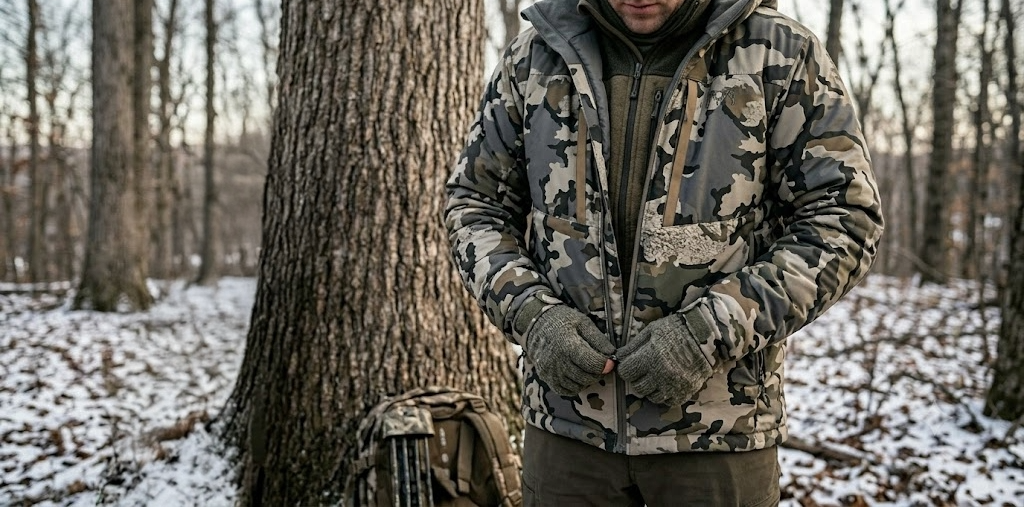
Spending $400 to $559 on a jacket is a real decision. Here's what to focus on and what marketing claims to ignore.
Wind Protection Is Everything
Cold air alone won't freeze you out of a stand. Wind will. A 25-degree day with a 15 mph north wind feels like single digits on exposed skin. Any jacket worth buying for cold-weather hunting should be fully windproof in at least the torso and upper arms. WINDSTOPPER by GORE-TEX LABS and dedicated windproof membranes are the gold standard. If a jacket says "wind resistant" instead of "windproof," that's a meaningful difference.
Insulation Type Matters Less Than You Think
Down is lighter and packs smaller. Synthetic (PrimaLoft Gold, PrimaLoft Silver, Cross Core) stays warm when wet and dries faster. For whitetail hunting in the Midwest and Northeast, where freezing rain and wet snow are common, synthetic insulation is the safer bet. Down works great in dry, cold western hunts. Both work well in cold, dry treestand conditions.
Noise Is a Dealbreaker for Bowhunters
If you're drawing a bow at 20 yards, your outer layer needs to be dead silent. Hard shell jackets like the Gale Force are warm and waterproof, but not quiet enough for close-range archery. Softshell exteriors with brushed fleece or Berber fabric, like the Fanatic and Super Down Haven, are built for silence. Know which weapon you'll carry and choose accordingly.
Fit for Layering, Not for Fashion
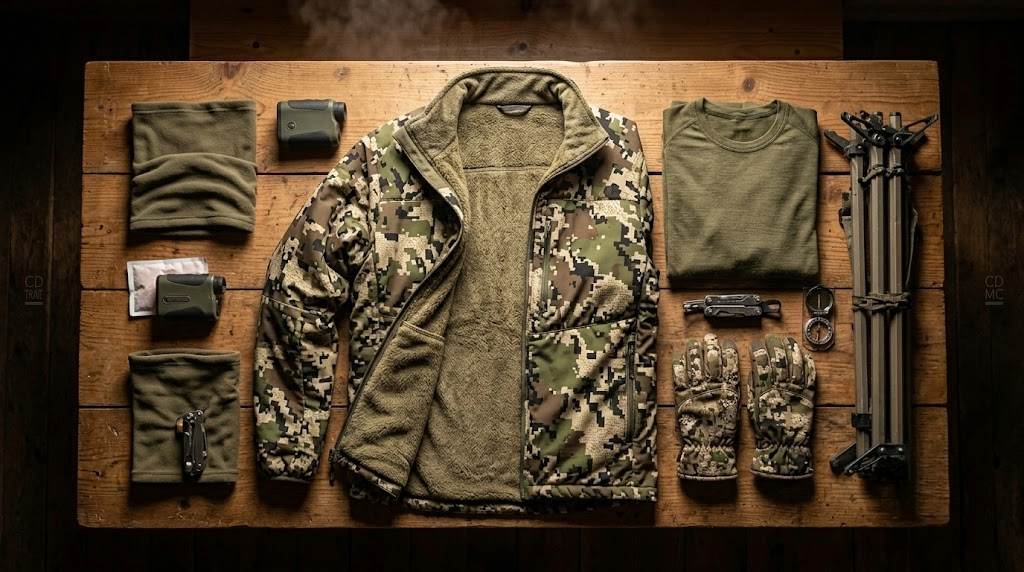
Your cold-weather jacket goes over a base layer, a mid layer, and sometimes a fleece or puffy. Buy your outer layer with room to accommodate those layers without feeling restricted in the arms or chest. Most premium hunting brands size their cold-weather jackets to expect layers underneath, but try the full system together before your season starts.
Skip the Temperature Rating Hype
Temperature ratings are wildly subjective. Your personal cold tolerance, your base layers, your activity level, wind exposure, and body composition all change how warm a jacket keeps you. A jacket rated to "below 20F" will feel different on a 180-pound guy who runs hot than on a 140-pound hunter who runs cold. Test your system before the season, not during opening weekend.
Budget Pick Spotlight: Sitka Duck Oven
At $385, the Sitka Duck Oven is the closest thing to a value pick on a list of premium hunting jackets. The WINDSTOPPER technology and PrimaLoft Gold insulation are of the same caliber as those found in $500+ jackets. The hybrid construction, with windproof insulation on top and compression-resistant fleece on the bottom, was designed for waterfowl but works well for any cold-weather sit.
If your budget caps at $400 and you need one jacket to cover both the duck blind and the deer stand, the Duck Oven in Earth color gives you premium-level wind protection and warmth without the $500+ commitment of the Fanatic, Super Down Haven, or Thermic.
For hunters who need to stay even further under budget, the Cabela's Wooltimate line and the Bass Pro Redhead brands offer genuine cold-weather performance in the $150-$250 range. They won't match the wind protection, noise reduction, or fit of the premium jackets above, but they'll keep you hunting when the temperatures drop. Pair them with quality base layers and a good merino mid-layer, and you'll stay comfortable down into the 20s.
Frequently Asked Questions
What is the warmest hunting jacket for sitting in a treestand?
The First Lite Thermic Jacket with 170 gsm PrimaLoft Gold insulation and a sherpa fleece lining is the warmest sit-only jacket on this list, rated for temps below 20 degrees. The KUIU Super Down Haven runs close behind with its down insulation, offering a lighter-weight option for the same level of warmth in dry conditions. For wind-driven cold, the KUIU Kutana Gale Force adds full waterproof protection on top of heavy insulation.
Should I choose down or synthetic insulation for hunting?
Synthetic insulation, like PrimaLoft Gold and PrimaLoft Silver, stays warm when wet and dries faster. For Midwest and Northeast whitetail hunting, where freezing rain and wet snow are common, synthetic is the better choice. Down insulation is lighter, more compressible, and warmer per ounce in dry conditions. If you hunt in dry, cold climates or stay dry in your stand, down works very well. Just know that a wet down jacket retains only about half its warmth until it dries.
How much should I spend on a cold-weather hunting jacket?
Premium whitetail-specific jackets from KUIU, Sitka, and First Lite run $385 to $559. That price gets you windproof membranes, advanced insulation, silent fabrics, and hunting-specific features like harness ports and bow-clearance sleeves. Budget options from Cabela's and Bass Pro in the $150 to $250 range will keep you warm but sacrifice noise reduction, fit, and wind-blocking technology. If you hunt 20+ days a year from a treestand, the premium investment pays for itself through the comfort and time you save in the stand.
Can I wear a waterfowl jacket for deer hunting?
Yes, with caveats. Jackets like the Sitka Duck Oven in the Earth colorway work well for deer hunting because they carry the same windproof and insulation technology as dedicated whitetail jackets. The pocket placement and fit are optimized for waders, so they'll feel different than a whitetail-specific jacket. Waterfowl camo patterns like Optifade Marsh won't work in the timber. But if you already own a quality waterfowl jacket and want to stretch your budget, it's a smart crossover.
What layers should I wear under a cold-weather hunting jacket?
Start with a merino wool base layer against your skin for moisture management and odor control. Add a midweight fleece or merino mid-layer for insulation. On the coldest days, add a light puffy vest or jacket between your mid-layer and outer layer. Your cold-weather jacket is the wind and weather barrier on top. The key is keeping moisture off your skin during the walk-in, so dress lighter than you think and add your outer layer once you reach your stand.
Looking for public land where you can put that cold-weather gear to work? Subscribe below for free state-by-state public land hunting guides with maps, access tips, and the kind of scouting intel that keeps you in the right stand on the right days.
