This guide includes affiliate links. As an Amazon Associate, I earn from qualifying purchases. See all my gear picks in the LandsToHunt Amazon store.
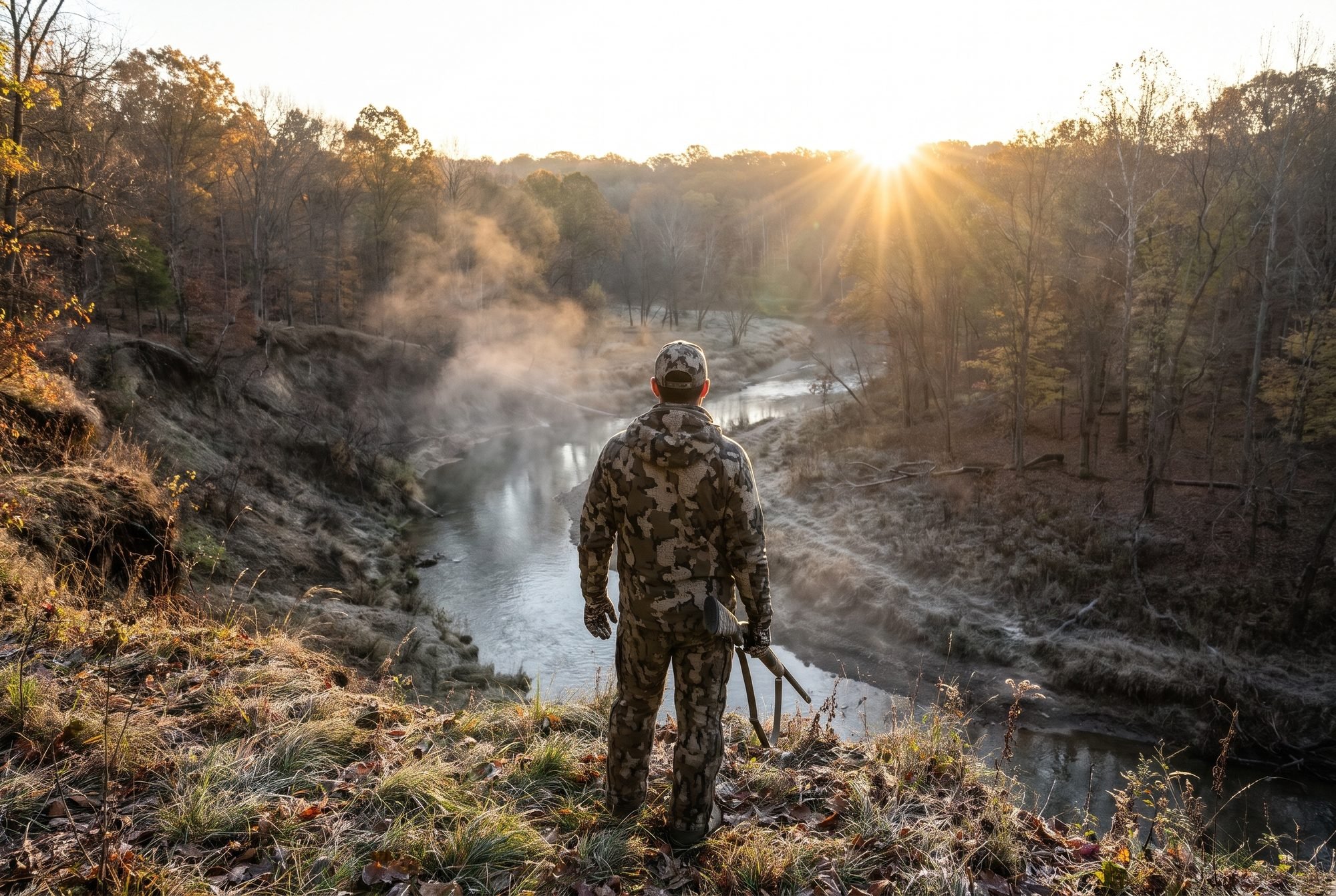
Southern Indiana sounds different at first light in late April. Gobbles roll off one knob, bounce down a hollow, and come back off the next ridge so hard you'll swear three birds are talking. That echo is a big reason the best WMAs in Indiana for turkey hunting sit south of Interstate 70, in the hill country between Bloomington and the Ohio River. Some of the best ground isn't technically a WMA at all.
Indiana doesn't use the WMA label the way Georgia or Minnesota does. The state calls its managed hunting properties Fish & Wildlife Areas, or FWAs, and the turkey picture also includes state forests, the Hoosier National Forest, and reservoir land around the big Corps of Engineers lakes. When hunters search for Indiana WMAs, that whole mix is what they mean.
Need the basics on property types, licenses, and the DNR's map tools? Start with our Indiana public hunting land overview. This piece picks up where that page stops: which specific properties hold birds, where those birds roost and strut, how to get in, and how to dodge the crowd.
One rule up front. You won't find season dates, bag limits, or legal methods listed here, because Indiana adjusts them, and fall turkey rules in particular shift by county. Pull the current regulations from the Indiana Department of Natural Resources before you buy a tag or burn a vacation day.
What Makes the Best WMAs in Indiana for Turkey Hunting
Turkeys don't need wilderness. They need a handful of specific things stitched close together, and Indiana's southern public land has them in spades.
Mature hardwoods for roosting. Big white oaks, red oaks, beech, and creek-bottom sycamores, ideally on slopes tucked out of the wind.
Openings for strutting and feeding. Ridgetop wildlife openings, log landings, gated fire lanes, and hayfield edges on the FWAs.
Young cover for nesting and brood rearing. State forests run active timber harvests, and a cut that's two to five years old fills with blackberry, sumac, and grass that hens love.
Terrain that breaks up hunters. Steep knobs and long hollows mean a bird 600 yards from a parking lot can feel like a different county.
Indiana's restoration history helps too. The DNR started its restocking work in the 1950s, and turkeys now live in all 92 counties. Density isn't even, though. The southern third of the state carries most of the public acreage and a big share of the birds, which is why most of this list sits below Bloomington.
Picked a spot from this guide? Run it through Hunting Scout first. I built it to map benches, pinch points, and today's wind on any public parcel using USGS and NOAA data, not guesses. Your first 3 reports each month are free. Run a free scout report
The Best WMAs in Indiana for Turkey Hunting in the Southern Hills
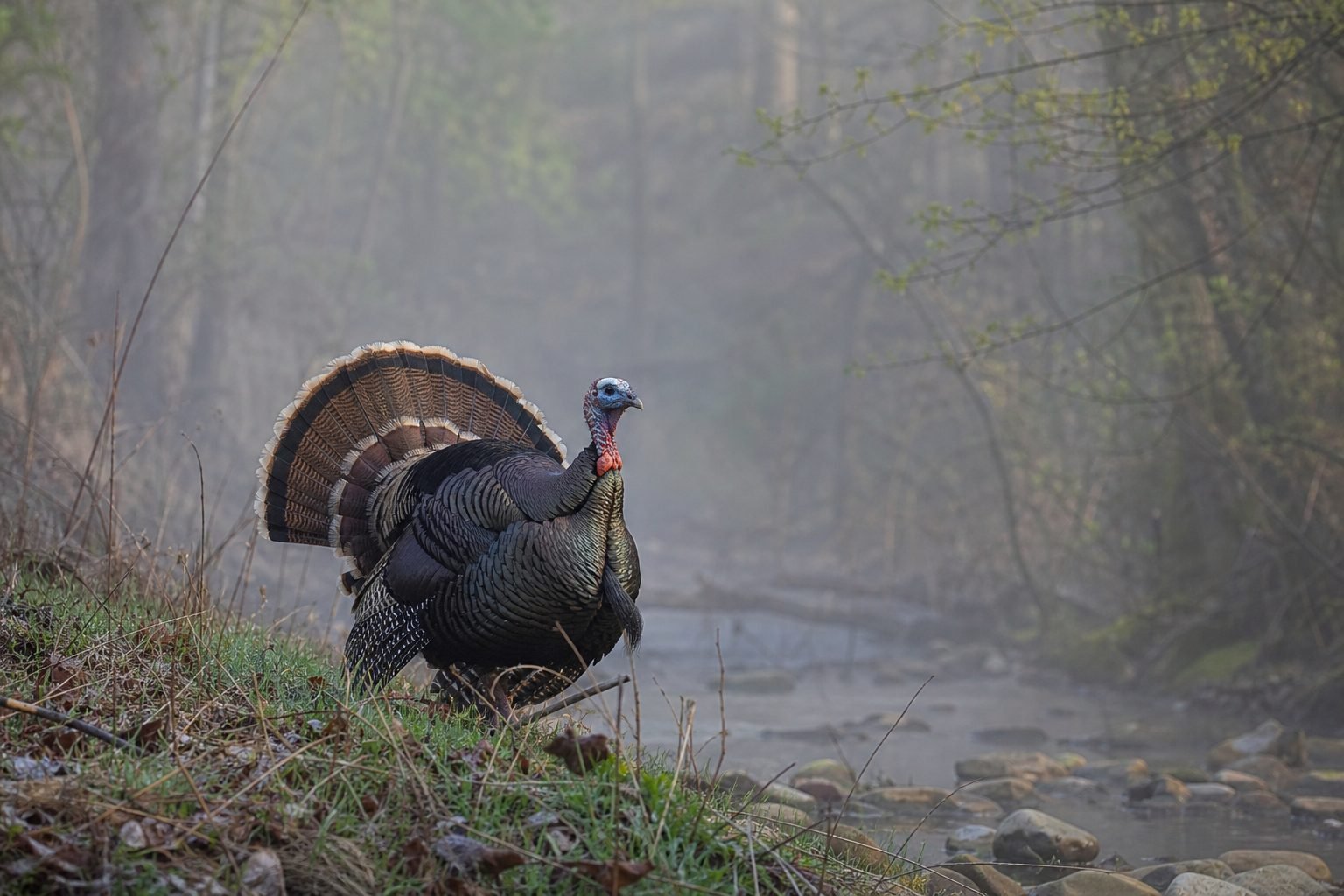
Start here if you can drive to Bloomington, Bedford, or Corydon in an hour or two. These properties give you the most room to move.
Hoosier National Forest
At a little over 200,000 acres spread across nine south-central counties, the Hoosier is the biggest block of public turkey ground in the state. Two main pieces matter. The northern unit wraps around Lake Monroe in Monroe, Brown, Jackson, and Lawrence counties, while the southern unit runs through Orange, Crawford, Perry, Martin, and Dubois counties toward the Ohio River.
Classic knob country. Narrow ridges, steep side slopes, and hollows that funnel sound. Birds roost on the side hills and pitch down to ridgetop flats, old roadbeds, and the scattered openings the Forest Service maintains.
The Charles C. Deam Wilderness, roughly 13,000 acres south of Lake Monroe, is foot traffic only. Plenty of hunters skip it because the walk in is steep and long. That's exactly why you shouldn't.
Watch the property map closely. The Hoosier is a patchwork with private inholdings scattered everywhere, and a ridge that looks continuous on the ground can cross three ownerships. Check the U.S. Forest Service site for current Hoosier road status and closures before you go.
Yellowwood and Morgan-Monroe State Forests
These two sit close together north of Bloomington, with roughly 23,000 acres at Yellowwood in Brown County and about 24,000 at Morgan-Monroe in Morgan and Monroe counties. Both hold good bird numbers. Both also sit within an hour of Indianapolis, so expect company on weekends.
Timber harvests are the insider angle here. The DNR Division of Forestry logs both properties on a rotation, and recent cuts show up on satellite imagery as lighter-textured patches with skid trails fanning out from a landing. Hens nest in that regrowth, and gobblers follow the hens. Find a three-year-old cut next to a mature ridge and you've got a spot most road hunters never check.
Clark State Forest
Indiana's oldest state forest, established in 1903, covers about 24,000 acres in Clark, Floyd, and Scott counties near Henryville. The knobs run steep and the ridges run long. From one good point on top, you can listen into three or four hollows at daybreak without moving. Pressure clusters near the lakes and main roads, then drops off fast a ridge or two back.
Harrison-Crawford State Forest
Roughly 26,000 acres along the Ohio River in Harrison and Crawford counties, bordering O'Bannon Woods State Park. Big timber, rugged bluffs, and river-influenced bottoms make this very strong roosting country. Sycamores along the creeks hold birds overnight, and gobblers often pitch uphill at first light toward ridgetop openings. Bring your legs. The climbs off the river are real.
Jackson-Washington State Forest
About 18,000 acres in the knobs near Brownstown, with less name recognition than Yellowwood and a little less pressure to match. Oak-hickory dominates, with pine plantings scattered through. On cold, blustery mornings early in the season, those pine stands make good windbreak roosts, so don't skip them when you're locating.
Glendale Fish & Wildlife Area
Here's where FWA management shows. Glendale covers roughly 8,000 acres in Daviess County around Dogwood Lake, mixing timber, crop fields, old fields, and managed openings. Flatter ground than the knobs. Birds hear you coming from farther away, and you hear them from farther off too.
Strut zones on field edges are easy to find, which means everybody finds them. Set up on the timber side of those edges, inside the first bench of trees, rather than out in the open where the next hunter's decoys already sit.
Crosley Fish & Wildlife Area
About 4,000 acres in Jennings County along the Muscatatuck River near Vernon. Small footprint, but the river bottoms roost birds well and the upland fields give them a place to strut. Southeast counties like Switzerland, Dearborn, and Jefferson regularly post some of Indiana's best turkey harvests, and Crosley is one of the few public pieces in that corner.
Big Oaks National Wildlife Refuge, north of Madison, has also offered limited turkey hunting with its own permit and safety briefing, since the old Jefferson Proving Ground still holds unexploded ordnance. Confirm the refuge's current rules before you plan around it.
Central, Eastern, and Northern Indiana Turkey Spots
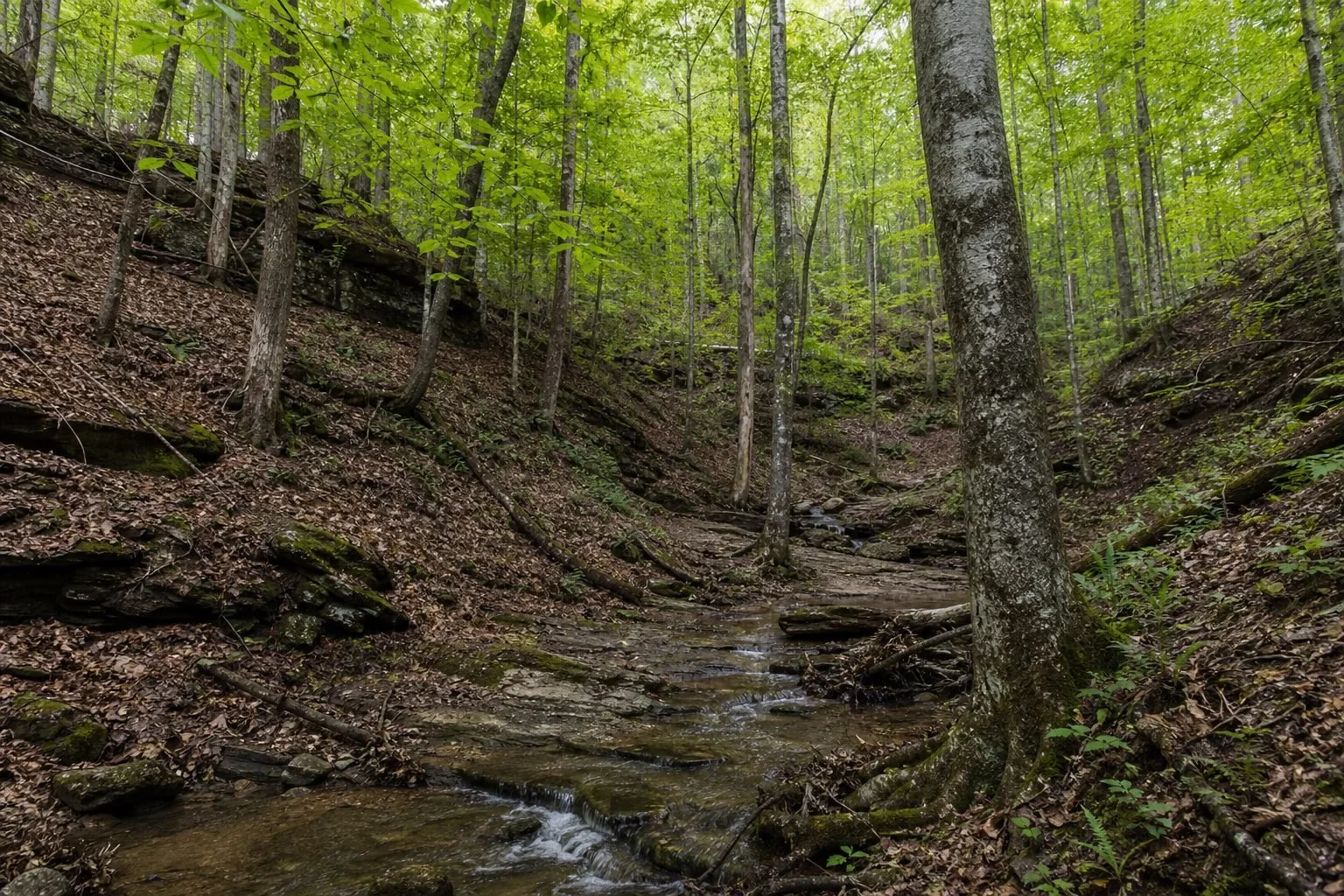
Not everybody lives near the knobs. These properties put solid birds within reach of the rest of the state.
Atterbury Fish & Wildlife Area
Roughly 6,500 acres in Johnson County near Edinburgh, Atterbury is the closest serious turkey ground to Indianapolis. Good habitat, heavy traffic. Hunt it midweek or after 9 a.m. and it feels like a different property. Pay close attention to boundaries, since it borders the Camp Atterbury military installation and you don't want to wander across that line.
Brookville Lake
Franklin and Union counties hold thousands of acres of public ground wrapped around Brookville Lake, much of it steep hardwood draining down into the water. Birds roost on the slopes above the coves. A boat gets you to shoreline the walk-in crowd never sees, so check the property's rules on boat access and landing spots first.
Pigeon River Fish & Wildlife Area
Up in LaGrange and Steuben counties, Pigeon River runs roughly 11,500 acres along the river with marsh, upland timber, and field edges. Northern birds play by flatland rules. They roost in river-bottom timber and walk to ag fields and openings, often along the same lines day after day. Glass the field edges in the evening and you'll know where to be in the morning.
Minnehaha and Sugar Ridge Fish & Wildlife Areas
Southwest Indiana's old strip mines have grown back into a mix of grass, brush, water-filled pits, and young timber. Minnehaha in Sullivan County covers around 12,000 acres, and Sugar Ridge in Pike and Warrick counties adds about 8,000 more. Turkeys work the grassy, brushy spoil ridges hard, with roosts in the cottonwoods and other hardwoods along pit edges. Waterfowl and dove hunters know these places better than turkey hunters do, which works in your favor every spring.
Reading Roost and Strut Habitat on Indiana Public Land
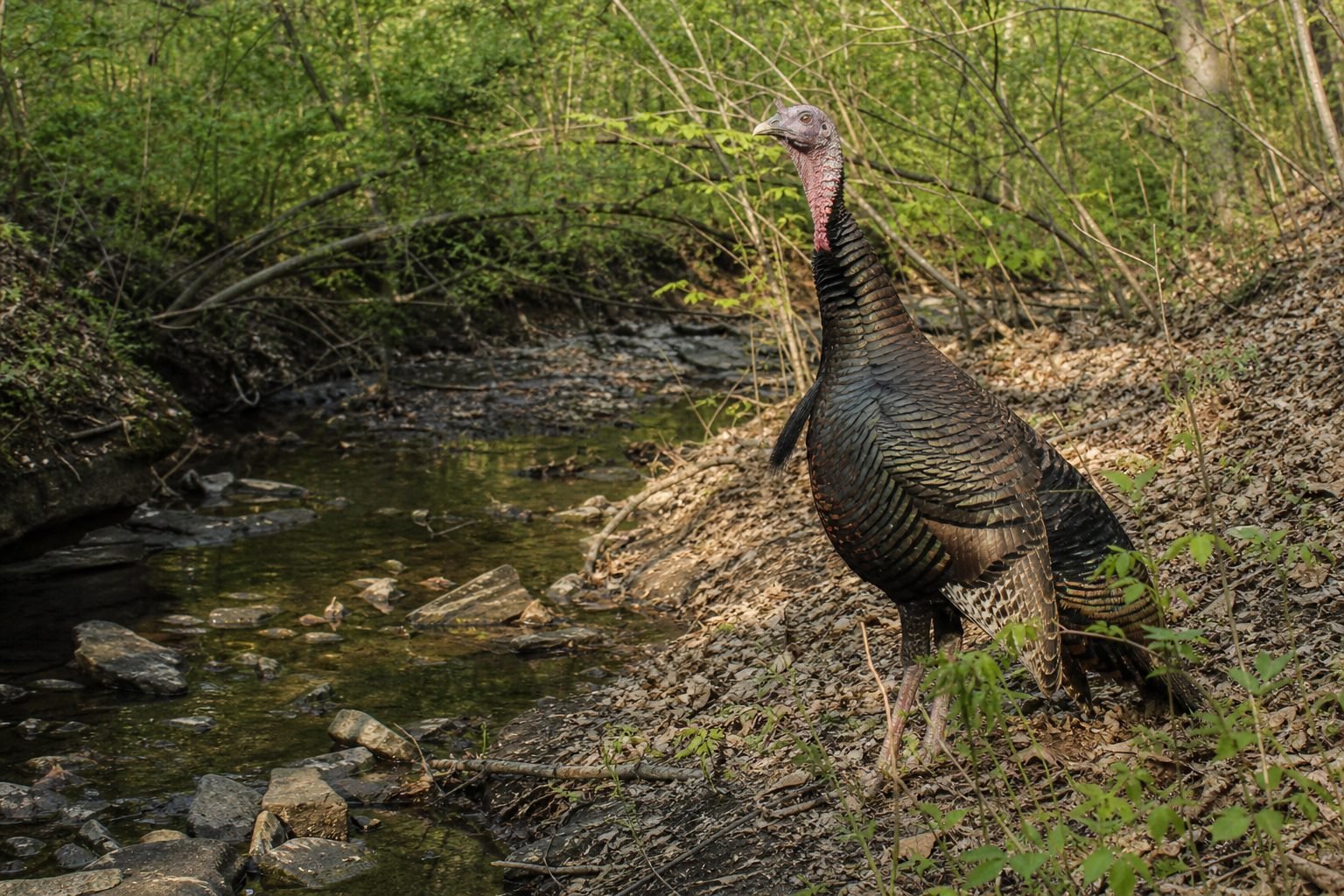
Knowing the property is half the job. The other half is reading where a gobbler sleeps and where he wants to be at 7 a.m.
Finding the Roost in the Knobs
In the southern hills, birds like to roost on the side slope just below a ridge, usually on the side out of the prevailing wind, and often above a creek or spring seep. Look for big horizontal limbs with droppings stacked underneath and a few feathers on the ground. Locate from the ridge at last light. An owl hooter or crow call works, but on calm April evenings a hot bird will sound off on his own.
Where Gobblers Strut
Strut zones on Indiana public land fall into a short, predictable list:
Ridgetop flats and benches where the slope eases off
Gated fire lanes and old logging roads
Log landings and the edges of recent timber cuts
Wildlife openings and plots the DNR maintains on FWAs
Pipeline and power line right-of-ways
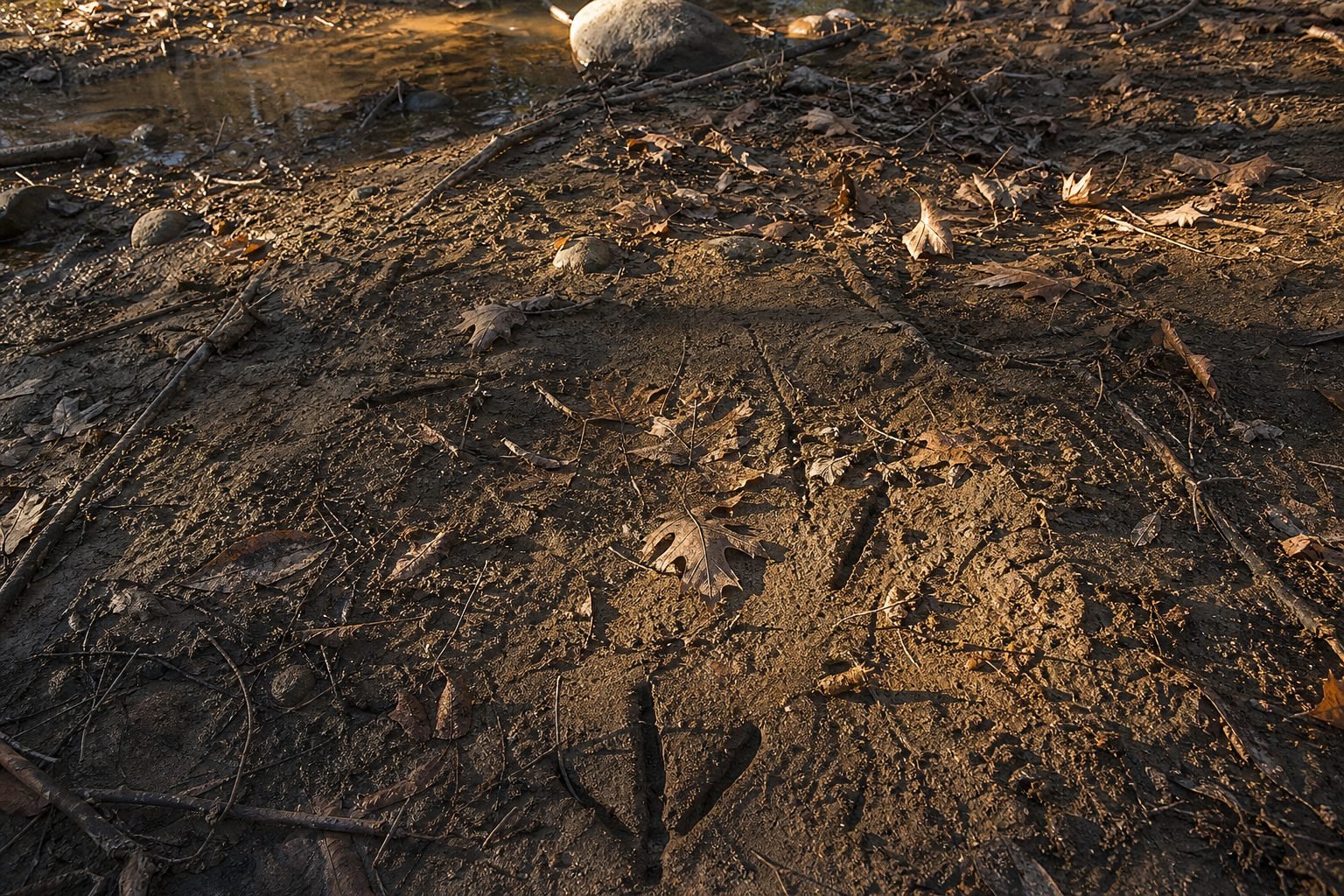
Drag marks from wingtips in soft dirt, fresh tracks, and dusting bowls tell you a spot is active. Pin each one and check it again a week later.
A morning on a Brown County ridge a few springs back shows how this plays out. A bird gobbled from the roost at first light, down in the hollow to the east. Two trucks were already at the gate, and I heard one of those hunters crashing downhill straight toward him. Instead of joining the parade, I stayed on top and slid 300 yards north along the ridge to a bench where a fire lane crossed. The bird flew down, got hammered with a box call from below, and shut up. Around 9:30 he gobbled again, walking the ridge this time. He came up the slope onto that bench and stopped at 22 steps, because that bench was where he wanted to be all along.
For calling sequences and setup details on pressured birds, read our spring turkey tactics for public land.
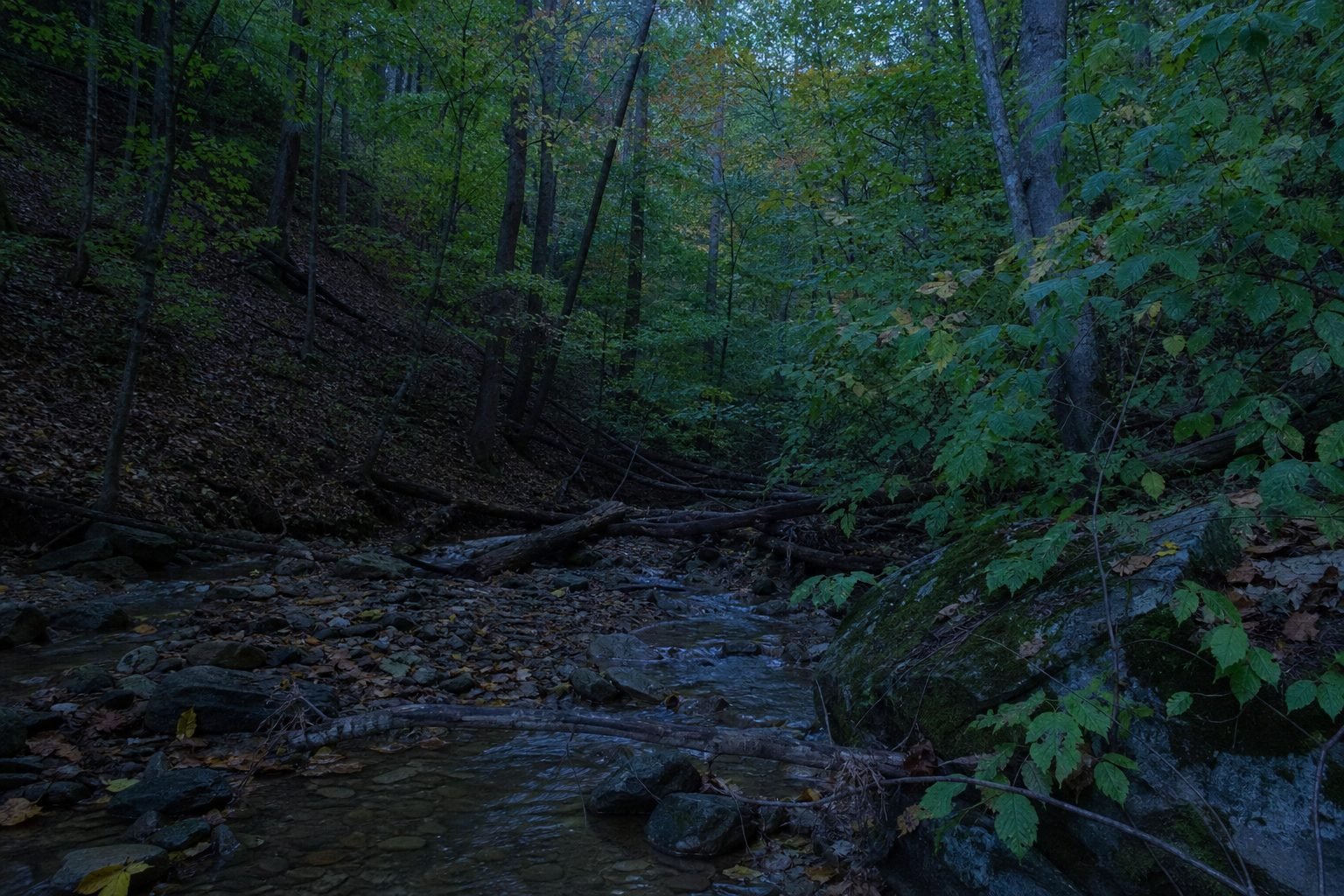
Access, Check-In, and Hunting Pressure on Indiana Public Land
Check-In and Property Rules
Rules vary from property to property, and the differences matter. Many FWAs ask hunters to check in and out, either at the property office or through the DNR's online system, and some zones inside an FWA close as refuges or for special uses. State forests and the Hoosier handle things their own way. Read the property page and current regulations for every spot on your list, every season, because last spring's rules won't always carry over.
When Pressure Peaks
Opening day and the first weekend bring the crowd. Saturdays stay busy all season, and properties within an hour of Indianapolis, Louisville, and Cincinnati feel it most. Pressure falls off hard after the first week. On any given day, it drops again around 9 a.m., when a lot of hunters head for breakfast or work.
How to Get Away From the Crowd
Hunt midweek. Even one Tuesday off changes the whole property.
Stay late. Mid-morning birds that lost their hens are some of the easiest to call on public ground.
Walk past the first ridge. Most traffic stays within half a mile of a gate or lot.
Find the back doors. Satellite imagery shows boundary access off county roads that never appear on the main property map.
Know your backups. Have three spots per property so a truck at your gate doesn't end your morning.
A mapping app like onX Hunt pays for itself on the Hoosier alone, because the boundary layer shows every private inholding in that patchwork. Two drawbacks to know: cell coverage dies in a lot of these hollows, so download offline maps for each property before you leave the house, and the subscription is a yearly cost on top of your license. Our guide on how to scout public land walks through the e-scouting side in more detail.
Spring vs. Fall Turkey Hunting on Indiana Public Land
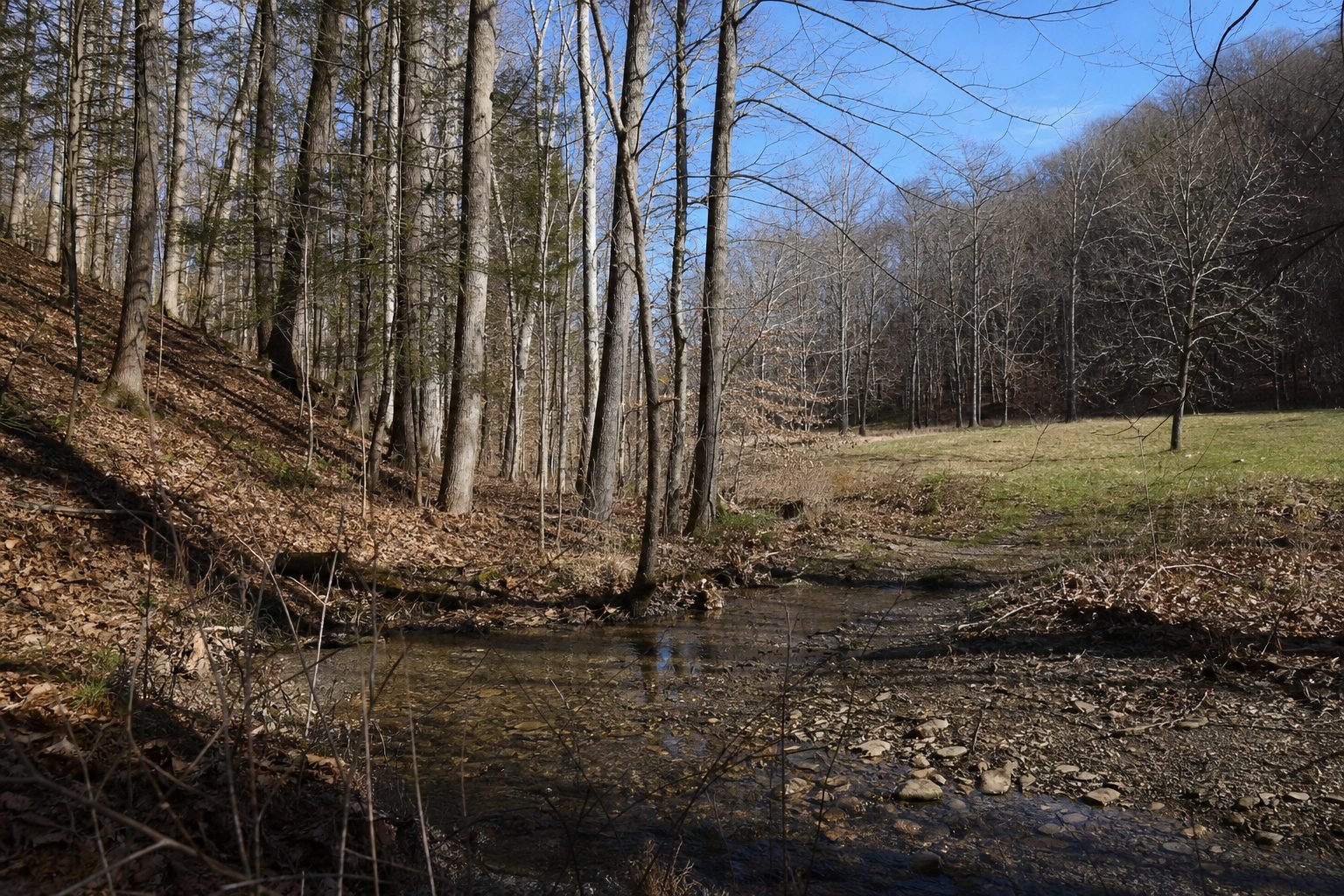
Spring is the main event. Gobbling, strutting, and breeding activity make birds findable, and the properties above shine during that window.
Fall runs under a separate, more limited structure. Which counties are open and which methods are legal have changed over the years, so confirm the current fall rules with the DNR before you plan a trip.
Tactics flip in the fall, too. Hens and poults travel in family flocks, gobblers bunch up in bachelor groups, and food drives everything. Find the mast and you find the birds. In a good acorn year on Clark or Harrison-Crawford, ridgetop oak flats look like somebody raked them. Scatter a flock, sit tight for 20 minutes, and call them back with kee-kees and assembly yelps. On the FWAs, waste grain and field edges pull fall flocks the same way they pull spring gobblers.
Gear for Hunting Indiana's Public Land Turkeys
Indiana turkey country asks a lot of your legs and very little of your wardrobe. Here's what earns a spot in the truck.
Boots
Dew soaks everything before 8 a.m., and you'll cross creeks on the Hoosier and Harrison-Crawford. The LaCrosse Alphaburly Pro keeps your feet dry through wet hollows and stays quiet in leaf litter. Fair warning, rubber gets hot by mid-May, and it doesn't grip like a good lace-up boot on steep knob climbs.
Optics
For glassing FWA field edges and picking apart a ridge across the hollow, the Vortex Diamondback HD 10x42 does the job well. In thick hardwoods, 10x is more magnification than you need, and the weight adds up hanging from your neck under a vest. On a tighter budget, the Vortex Crossfire HD 10x42 gives you clear enough glass to pick out a fan at 200 yards, with a little less edge sharpness at gray light.
Ticks and the Small Stuff
Southern Indiana ticks get really bad by May. Treat your clothes with a permethrin spray before the season and check yourself every night. Beyond that, carry a seat cushion, a slate and a box call, a couple of locator calls, and a headlamp with a red setting for the walk in.
FAQ: Best WMAs in Indiana for Turkey Hunting
Does Indiana have WMAs for turkey hunting?
Indiana uses the name Fish & Wildlife Areas instead of WMAs. Turkey hunters also have access to state forests, the Hoosier National Forest, and public land around reservoirs like Brookville Lake. Together, those make up the state's public turkey ground.
Where is the best public land turkey hunting in Indiana?
The southern hill country holds the most public acreage and some of the best bird numbers. The Hoosier National Forest, Yellowwood, Morgan-Monroe, Clark, and Harrison-Crawford State Forests, and Glendale Fish & Wildlife Area top most lists.
Do you have to check in to hunt turkeys on Indiana FWAs?
Many FWAs require hunters to check in and out, but procedures differ by property and change over time. Read the specific property page and the current Indiana DNR regulations before every hunt.
Can you hunt turkeys in the fall in Indiana?
Indiana has offered fall turkey hunting, but open counties and legal methods vary by year. Check the Indiana DNR's current fall turkey regulations before planning a hunt.
Indiana's best turkey ground rewards the hunter who walks one more ridge and scouts one more weekend. Pick two or three properties from this list, pin your roosts and strut zones, and line up backups before opening morning. Want every state broken down the same way? Subscribe to the LandsToHunt.com email list for free state-by-state public land hunting guides, and browse the full 50-state public land directory while you wait for that first gobble.
Want a head start on the ground itself? I built Hunting Scout to scout any spot from home. Your first 3 reports each month are free. Try Hunting Scout
As an Amazon Associate, I earn from qualifying purchases. See all my gear picks in the LandsToHunt Amazon store.
