This guide includes affiliate links. LandsToHunt.com earns a commission on qualifying purchases.
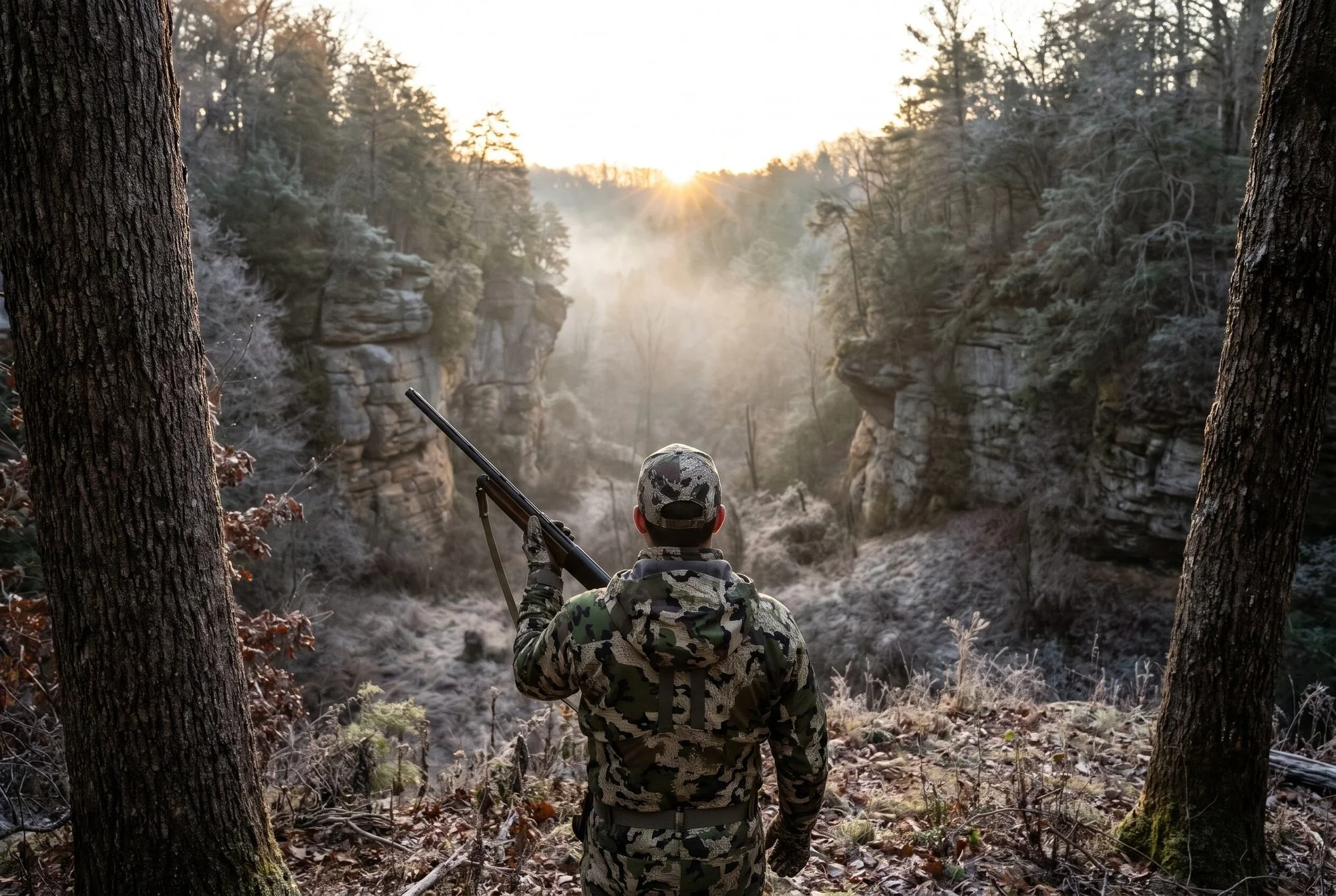
A gobbler hammering off a strip-pit ridge at first light sounds the same on public ground as he does on a $5,000 lease. You just didn't pay for this one. If you're hunting for the best WMAs in Kentucky for turkey hunting, the Bluegrass State spreads good birds across nearly every region, from reclaimed coal ground in the west to the steep oak ridges of the Daniel Boone. The catch? Every other hunter with a box call and a tank of gas knows that too.
Our Kentucky public hunting land overview covers the land types and the official KDFWR map tools. This piece goes narrower. You'll get the specific areas that hold birds, the roost and strut habitat on each one, how to get in, and how to hunt around the crowd once opening weekend hits.
After 25-plus years of walking habitat and setting up on gobblers, I size up turkey ground fast. Roost timber, a place to strut, and nesting cover close by. Find all three on one map and you've got a spot worth burning a vacation day on.
What Kentucky Turkeys Need: Roost, Strut, and Nesting Cover
Turkeys don't use a property evenly. They stack up where a few habitat pieces touch and ignore big chunks of ground in between. Once you know those pieces, you can scout a 20,000-acre WMA in an afternoon instead of a week.
Roost Timber
Kentucky birds roost in mature hardwoods. White oak, red oak, sycamore, and big tulip poplar along creek bottoms and on the downhill side of ridges get most of the action. Gobblers want wide horizontal limbs and a clean flight path to the ground. On the lake WMAs, check tall timber on points and at the heads of coves, since birds love roosting over water or a steep drop where nothing walks up underneath them.
Strut Zones
A gobbler wants to be seen. Across Kentucky public land, that means hay fields, soybean and corn stubble on WMA ag leases, old fields, wildlife openings, gas line right-of-ways, logging decks, and grassy reclaimed mine benches. Look for a strut zone within 300 yards of a roost. That's the setup.
Nesting and Brood Cover
Hens nest in knee-high grass, brushy fence lines, and young regrowth after a timber harvest. Poults need bug-heavy openings with enough overhead cover to hide from hawks. Here's why that matters to you in April: when nesting cover sits right next to roost timber, the hens stay put, and so do the gobblers. Ground with roost trees and no nesting cover tends to hold birds early, then go quiet once the hens wander off to nest somewhere else.
Before you burn gas on a new WMA, pull a scout report on it. I built Hunting Scout to read the real terrain, water, public-land boundaries, and wind for any piece of ground, so you show up with a plan. You get 3 free reports a month, no card needed. Run a free scout report
Best WMAs in Kentucky for Turkey Hunting: Western Kentucky
West of I-65, the ground flattens and opens up. You'll hunt more fields, more water, and more mixed habitat than in the mountains. Sound carries a long way here, which helps you locate birds and hurts you every time a truck door slams.
Peabody WMA (Ohio, Muhlenberg, and Hopkins Counties)
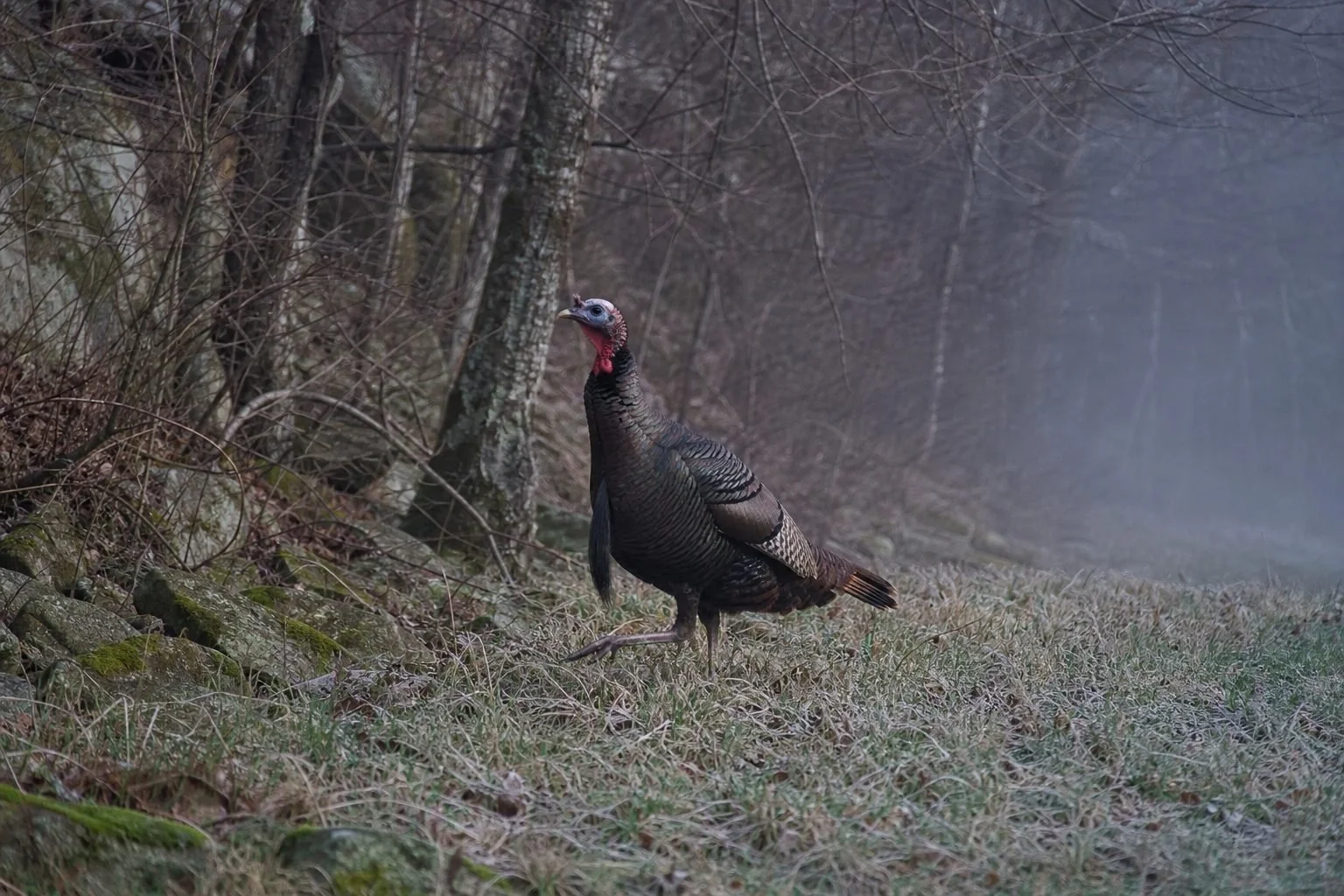
Peabody is reclaimed strip mine ground, 40,000-plus acres spread across several separate units. Think rolling grassland, autumn olive thickets, deep strip pits full of water, and hardwood fingers running down the drainages. Gobblers roost in those hardwood fingers and on timbered pit edges, then pitch down to strut on open benches and haul roads.
Insider tip: glass the high spoil ridges at daylight instead of running and gunning. From up there you can watch strutters on open grass a quarter mile away, then circle through the olive thickets to get ahead of where they're feeding. Bring tick repellent. By late April the ticks and chiggers on Peabody are very real. And Peabody carries extra area rules beyond the statewide regs, so read the area page before you go.
Land Between the Lakes (Lyon and Trigg Counties)
Land Between the Lakes National Recreation Area covers roughly 170,000 acres between Kentucky Lake and Lake Barkley, split between Kentucky and Tennessee. The Forest Service manages the area, and the Kentucky end holds a solid mix of oak-hickory ridges, managed old fields, and miles of shoreline. Birds roost over the coves and strut in the openings LBL keeps mowed and burned.
LBL runs a separate permit system and rules on top of state licensing. Check the LBL hunting page and KDFWR together before you commit. The upside of that extra step? Fewer casual hunters. Interior ridges a mile or more off The Trace, the main north-south road, see a lot less traffic than the roadside fields.
Higginson-Henry WMA (Union County)
Smaller, at around 5,000 acres, but managed hard for wildlife. You get rolling hills, hardwood draws, and crop fields in the far western corner of the state. The area has a reputation for tighter area-specific rules than a typical WMA, so read the details closely. At fly-down, you want to be in the draws that feed into the crop fields.
Central Kentucky WMAs for Spring Gobblers
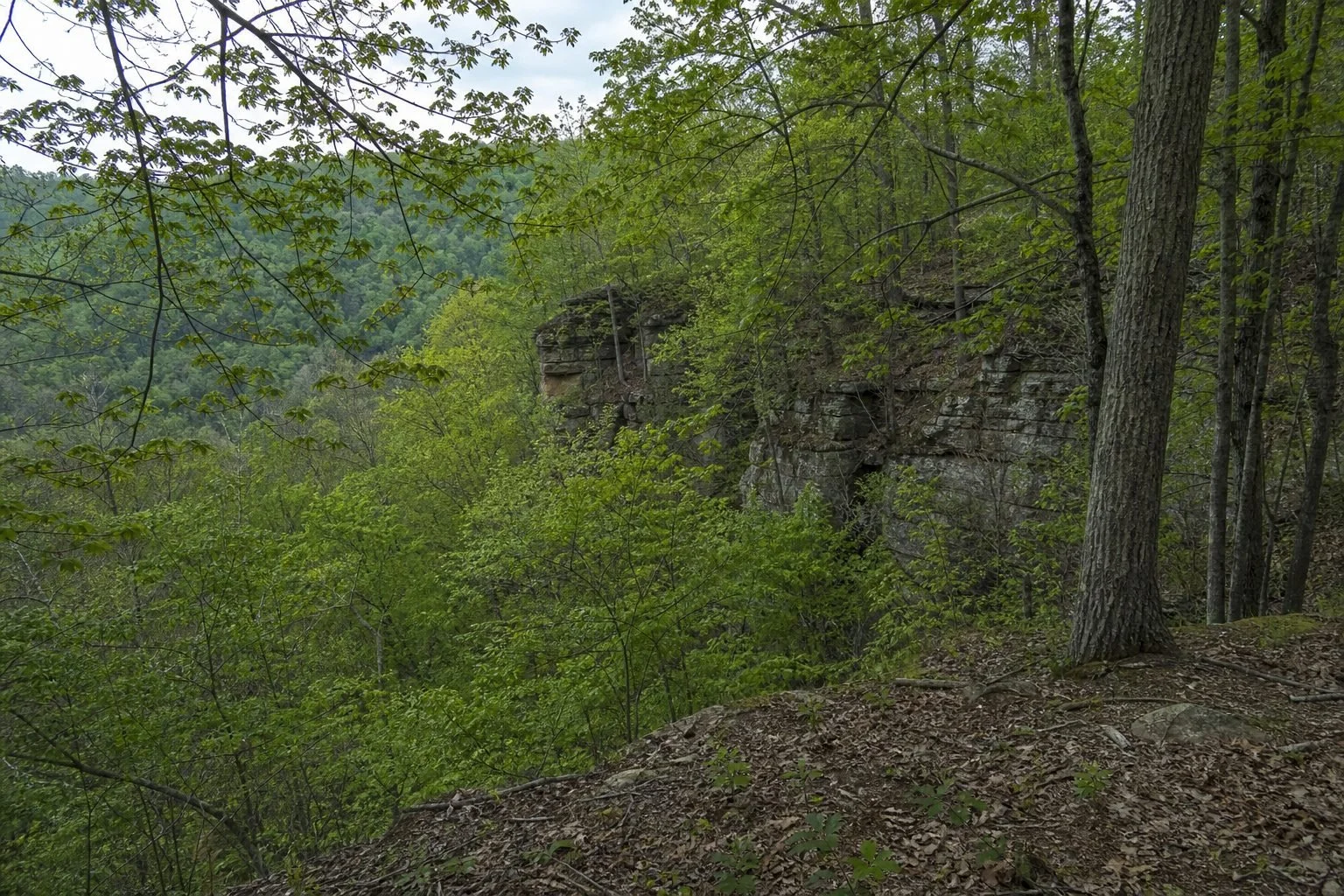
The middle of the state has the best mix of farmland and hardwoods, and the WMAs around the Army Corps reservoirs carry a lot of the load. These areas also sit closest to Louisville, Lexington, and Bowling Green. Expect company.
Taylorsville Lake WMA (Spencer, Anderson, and Nelson Counties)
About 10,000 acres of hardwood ridges, cedar thickets, old fields, and ag leases less than an hour from Louisville. Taylorsville produces birds every spring and draws pressure to match. Opening weekend parking lots fill early.
Here's what most people skip. Plenty of the shoreline ridges sit a long hike from any parking area but a short boat ride from a ramp. Run a small boat or kayak across before daylight, tie off in a cove, and climb a point nobody else walked to. Check current WMA and lake rules on boat access and shoreline use before you try this.
Green River Lake WMA (Adair and Taylor Counties)
Roughly 20,000 acres around the reservoir near Campbellsville and Columbia. The terrain rolls hard, with steep hardwood bluffs dropping to the lake and fields on the flats above. Textbook turkey ground. Birds roost on the bluffs and walk uphill to strut in the fields at sunrise.
Set up between the bluff edge and the nearest field, not in the field itself. Pressured Green River gobblers love to hang up at a field edge and strut just out of range. Sitting 40 yards inside the timber on their travel route fixes that.
Barren River Lake WMA (Allen, Barren, and Monroe Counties)
About 10,000 acres of hardwood bottoms, oak ridges, and field openings along the lake arms south of Glasgow. Long, skinny lake arms break the WMA into peninsulas, and those peninsulas act like funnels for birds moving between roost and food. Hunt the necks.
Eastern Kentucky Turkey Hunting: Daniel Boone National Forest and Mine Land
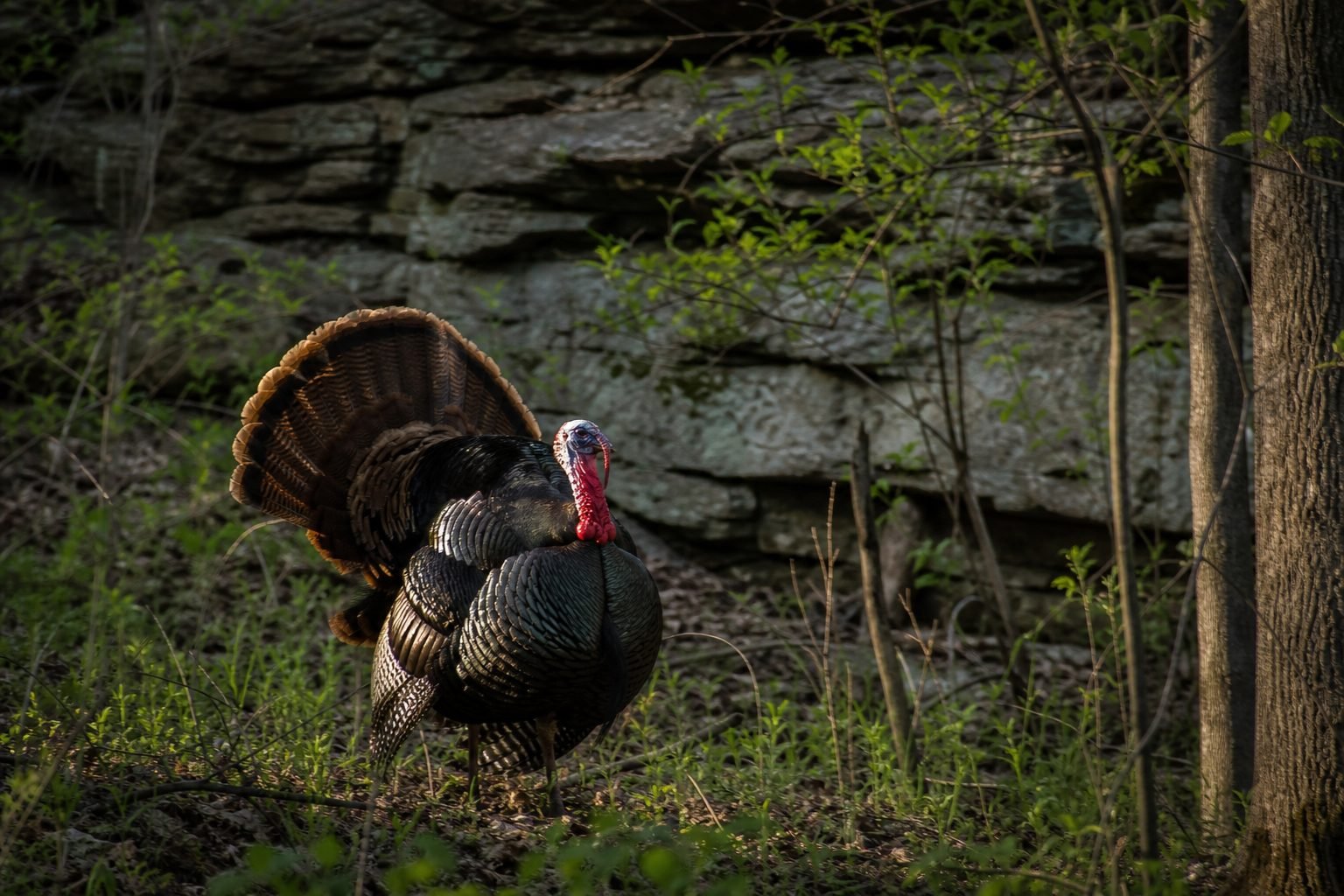
East of I-75 the hills turn into mountains. Bird density runs lower than in farm country, but so does hunter density once you get a mile off the road. This region rewards legs and lungs.
Daniel Boone National Forest
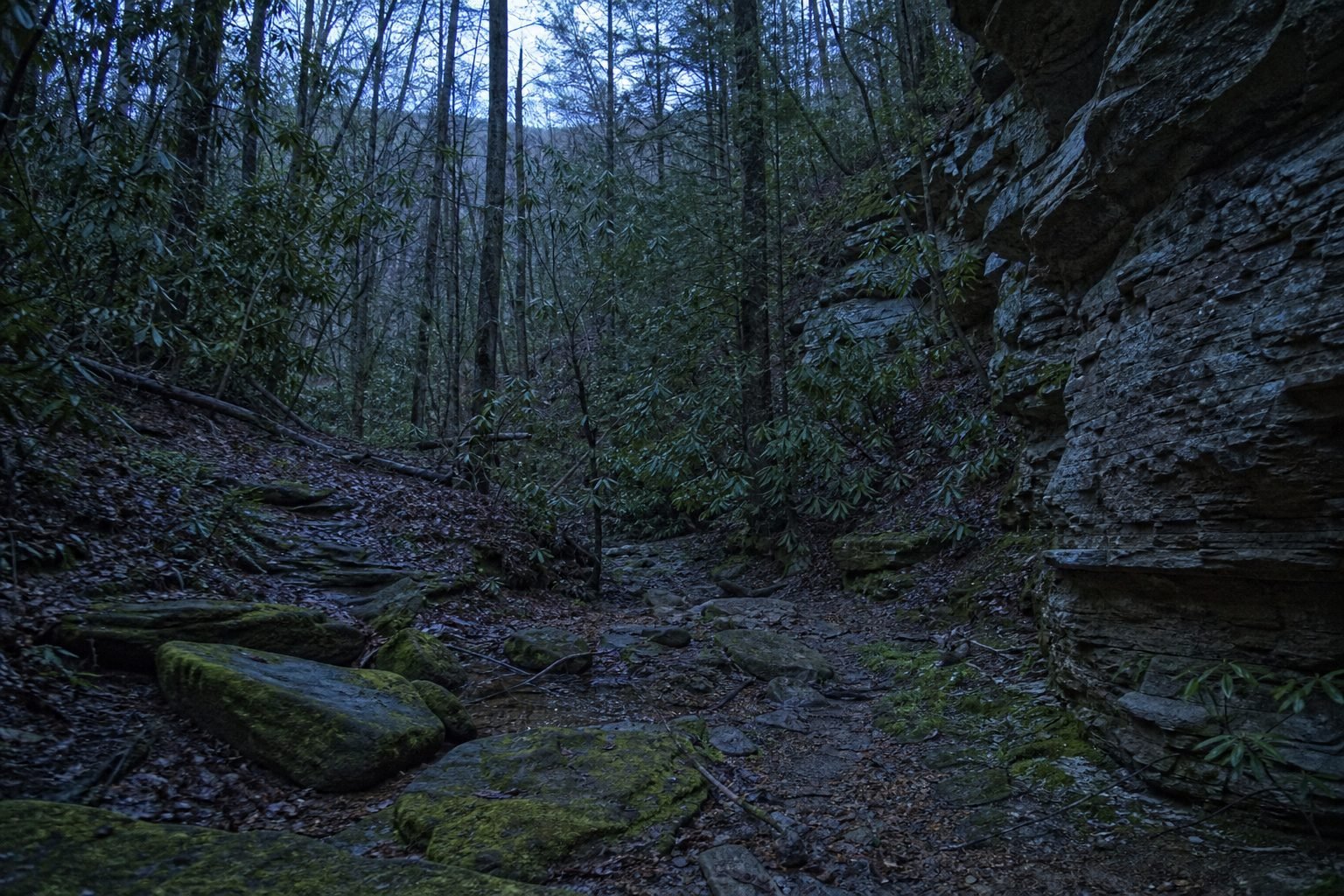
The Daniel Boone National Forest covers more than 700,000 acres across eastern Kentucky, from the Cumberland District near Morehead down through the London and Stearns districts toward Tennessee. Most of the forest is steep oak-hickory ridges with rhododendron and mountain laurel choking the hollows.
Openings are rare, so gobblers strut wherever they find light. Ridgetop logging cuts, gated Forest Service roads, pipeline right-of-ways, and the occasional wildlife opening all serve as strut zones. Use the ridges to your advantage. A gobble carries a long way across a hollow, so walk the ridgetops before daylight, stop every few hundred yards, and listen. Once you hear one, figure out which side of the ridge he's on and get above him. Mountain birds come uphill to a call far more willingly than down.
Clay WMA (Nicholas, Fleming, and Bath Counties)
Clay sits where the Bluegrass farm country starts climbing into the hills, roughly 7,000 acres along the Licking River. Hardwood ridges, river bottoms, and old fields all lie within a short walk of each other. Bottomland sycamores along the river make classic roost trees, and the old fields on the benches above are where those birds head once they hit the ground.
Reclaimed Mine Ground in the Elk Zone
Some of the most underrated turkey habitat in the state sits on old surface mines in counties like Knott, Perry, Breathitt, and Harlan. Flat, grassy benches work as strut zones, and the steep hardwoods below them hold the roost trees. Part of this ground sits on WMAs, part falls under access programs, and part is closed private land with nothing on the gate to tell you so. Check boundaries every time. A mapping app with a current private land layer is mandatory here.
Spring vs Fall Turkey Hunting on Kentucky Public Land
The same WMA plays very differently in April than in October. Plan around the birds, not just the calendar.
Spring: Early, Middle, and Late
Early season: Gobblers are henned up and hunters are everywhere. Birds gobble on the roost, fly down to hens, and walk the other way. Roost a bird the evening before, set up tight, and stay quiet.
Middle season: Hens start leaving gobblers mid-morning to sit on nests. This is the sweet spot. A bird that ignored you at 6 a.m. will often come looking at 9:30.
Late season: Pressure drops hard as people lose interest. Birds have heard every call on the market, so soft clucks, purrs, leaf scratching, and patience beat aggressive cutting.
Fall: Food and Flocks
Fall turkeys run in flocks, and flocks follow food. Early in the fall, check fields and openings for grasshoppers and other bugs. Once the acorns drop, birds move into the white oak flats and ridges. Waste grain on WMA ag leases pulls flocks late in the year.
The classic fall play is to find a flock, bust them in every direction, then sit down and call them back together with lost yelps and kee-kees. Expect to share the woods with bowhunters and gun hunters, since fall turkey hunting on Kentucky WMAs overlaps with deer season. Seasons, legal methods, and blaze orange rules shift, so check the current regs before you head out.
How to Beat Pressure on the Best WMAs in Kentucky for Turkey Hunting
Good habitat alone won't fill your tag. Every area on this list gets hunted hard, and the birds know what a parked truck means. These moves work on Kentucky's busiest public ground.
Hunt the Gaps in the Calendar
Opening weekend and Saturdays are crowded. Tuesday at 10 a.m. is a different world. If you can burn vacation days, spend them midweek during the middle of the season. And don't quit at 8 a.m. like the crowd does. Lonely gobblers do a lot of their traveling from late morning into early afternoon.
Walk Past the Half-Mile Line
Most hunters set up within a half mile of where they parked. Pull up any WMA on satellite imagery and you can usually spot the worn trails fanning out from the lots. Pick a spot that takes 45 minutes to reach, plan your route the night before, and walk in early. On the eastern Kentucky ridges, that extra distance thins the crowd to almost nobody.
For more on reading terrain before you leave the house, check out our guide on how to scout public land.
Use the Water
Taylorsville, Green River, Barren River, and LBL all have shoreline that sees very little foot traffic. A canoe, kayak, or jon boat puts you on ridges and points walking hunters skip. Always confirm current boating and access rules for the specific lake and WMA.
Play Nice and Play Safe
If you walk in on someone already working a bird, back out. Don't call over him and don't try to cut the bird off. Never stalk a gobble on public land, sit against a tree wider than your shoulders, and leave red, white, blue, and black clothing at home, since those are the colors on a gobbler's head. For calling and setup strategy built around pressured birds, read our spring turkey public land tactics.
Gear That Earns a Spot in Your Vest
Public land turkey hunting in Kentucky doesn't take a pile of gear. A few items pull serious weight.
onX Hunt: WMA boundary and private land layers matter on scattered Kentucky ground, especially in the mine country. The downside is the yearly subscription, and cell service in eastern Kentucky hollows is spotty, so download offline maps before you leave the truck.
Vortex Diamondback HD 10x42: Very useful for glassing strutters on Peabody benches and LBL openings from a distance, with clear glass for the money. A 10x42 weighs more than a compact 8x on a long run-and-gun morning, so a harness helps.
LaCrosse Alphaburly Pro: Knee-high rubber keeps your feet dry in dew-soaked grass, creek crossings, and muddy lake flats. These boots run hot on warm May walks and aren't ideal for long climbs on Daniel Boone ridges, where a lighter leather boot works better.
Check Current Kentucky Turkey Regulations
Season dates, bag limits, permit requirements, quota hunts, and area-specific rules change from year to year, and many WMAs carry rules that differ from statewide regs. Turkey reproduction has been a concern across much of the eastern U.S. lately, and state agencies have been revisiting their rules in response. Don't rely on last year's info or a forum post. Check the current regulations and area pages on the Kentucky Department of Fish and Wildlife Resources site before every season.
Kentucky Public Land Turkey Hunting FAQ
What are the best WMAs in Kentucky for turkey hunting?
Peabody WMA, Taylorsville Lake WMA, Green River Lake WMA, Barren River Lake WMA, and Clay WMA all hold strong turkey numbers. For more room, the Daniel Boone National Forest and Land Between the Lakes add hundreds of thousands of acres. Your best pick depends on whether you want open fields and easy glassing or big timber with less company.
Do you need a special permit to hunt turkeys on Kentucky WMAs?
Requirements vary by area. Some WMAs, Land Between the Lakes, and military ground like Fort Knox run their own permits, quota hunts, or check-in systems on top of your license. Check the KDFWR area page and any managing agency site before you go.
When is the best time to hunt turkeys on Kentucky public land?
Weekdays during the middle and late stretch of spring season, from mid-morning on. Hens are on nests, gobblers are looking for company, and most of the crowd has gone home.
Can you hunt turkeys in the Daniel Boone National Forest?
Yes. Most of the forest is open to turkey hunting under Kentucky's statewide rules. Check the forest's site for closures around campgrounds and developed recreation areas. Expect steep terrain, big timber, and fewer birds per square mile than farm country, with far less competition once you get off the roads.
The best WMAs in Kentucky for turkey hunting won't hand you a bird, but they'll put you in front of plenty if you scout smart and walk farther than the next guy. Pick two areas from this list, one close to home and one far enough away that nobody you know hunts there, and start your e-scouting this week. Want every state broken down the same way? Subscribe for our free state-by-state public land hunting guides, and browse the full public land directory to plan your next trip.
Want a head start on the ground itself? I built Hunting Scout to scout any spot from home. Your first 3 reports each month are free. Try Hunting Scout
