This guide includes affiliate links. LandsToHunt.com earns a commission on qualifying purchases.
Every November, a buck that spent ten months as a ghost makes the worst decisions of his life. He walks open hardwoods at noon. He crosses gravel roads in daylight. He follows a doe into a fencerow 80 yards from a public parking lot. Peak rut hunting is the one window when the deer you never see on camera walks in front of you. Most hunters waste half of it sitting in the wrong spot for the phase they're in.
The rut isn't one event. It's three phases, seeking, chasing, and lockdown, stacked over roughly three weeks. Each phase calls for a different stand, a different call, and a different sit length. If you run seeking-phase tactics during lockdown, you'll swear every deer in the county got shot.
Get the phase right and the rest falls into place.
When Is the Peak Rut? Rut Timing by Region
Start here, because this is where most hunters go wrong first. Peak breeding runs on photoperiod, the shrinking length of daylight, and it lands within a few days of the same dates every year in a given area. Weather, moon phase, and hunting pressure change how much of the rut you see in daylight. They don't move the calendar.
Biologists know this because they've backdated conception from fetal measurements in thousands of harvested does. The National Deer Association has published this research for decades, and several southern states turn the same data into county-level rut maps. Pull yours up before you burn vacation days.
Northern States, Midwest, and Northeast
From Minnesota to Maine, and south through Iowa, Illinois, Indiana, Ohio, and Pennsylvania, peak breeding centers on roughly November 10-20. Expect a timeline close to this:
Seeking: October 28 to November 6
Chasing: November 5 to November 14
Lockdown: November 12 to November 22
Post-rut and late breeding: Thanksgiving week into early December
Only have one week off? Take November 6-13 in most of this region. You catch the tail of seeking, the heart of chasing, and the first days of lockdown in one trip.
Mid-South and Appalachians
Kentucky, Tennessee, Missouri, Virginia, West Virginia, and western North Carolina run within a few days of the Midwest. Kentucky and Missouri bucks usually hit chasing hard in the second week of November. Plan around November 8-18 for peak breeding and you'll be close.
The Deep South: Throw Out the Calendar
This is where November advice falls apart. Southern herds were restocked from different source populations in the mid-1900s, and breeding dates can swing two months inside a single state.
South Carolina Lowcountry: October, with some areas starting in late September
Georgia: late October to early December, depending on the county
Alabama: early December in parts of the north to late January in the west-central Black Belt
Mississippi: late December in the Delta, mid-to-late January in the southern counties
Louisiana: as early as September and October in parts of the southwest, as late as January east of the Mississippi River
Florida: late summer in parts of south Florida, January into February in the Panhandle
Alabama, Mississippi, Georgia, and Florida all publish rut or breeding maps by region. Use them. A hunter who drives four hours to hunt "the November rut" in west Alabama is going to sit through a very quiet week.
Plains and Texas
Kansas, Nebraska, Oklahoma, and the Dakotas follow the northern calendar, with peak breeding around November 10-20. Texas splits up. The Hill Country and Panhandle peak in early to mid-November, East Texas pine country runs from late October into November, and South Texas brush country waits until mid-to-late December.
Want to know which stand fits tomorrow's wind before you leave the truck? I built Hunting Scout to answer exactly that, with scent cones, daily stand picks, and terrain shadow on legal light. 3 free reports a month, no card. Run a free scout report
How to Identify Seeking, Chasing, and Lockdown in the Field
Calendar dates put you in the right week. Sign tells you what day it is. Here's what each phase looks like from the stand and on the ground.
Seeking Phase Signs
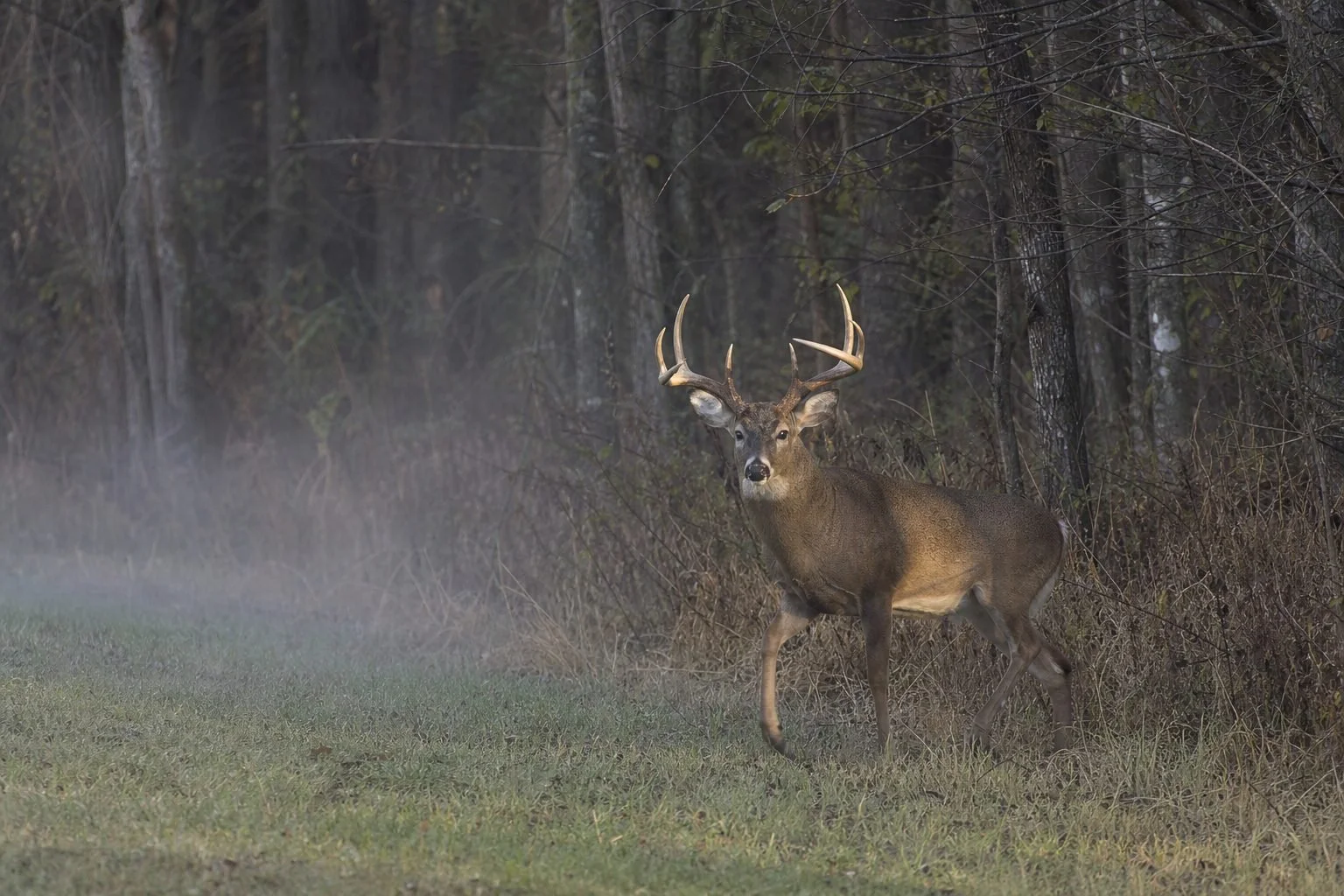
Bucks are looking, not finding. Very few does have come into estrus yet, so mature bucks start covering ground. They check doe bedding areas and scrape lines, often at a steady trot with their nose low.
Scrapes get torn up and freshened daily, sometimes several times a day
New rub lines appear along travel routes between bedding areas
Bucks show up alone, moving with purpose, at odd hours like 10:30 a.m.
Does still feed and bed on predictable schedules
Cameras catch bigger bucks in daylight for the first time all fall
Chasing Phase Signs
Chaos. The first does come into heat, and every buck in the area wants in. Hear brush crashing and see a doe blow past your tree with her tongue hanging out? You're in chasing.
Does running hard with one or more bucks behind them
Grunting you can hear from a hundred yards off
Scrapes going cold as bucks abandon them for live does
Young bucks harassing every doe they find
Heavy midday movement and bucks showing up miles from their home core
This is the week you want to be on stand from dark to dark.
Lockdown Phase Signs
Lockdown fools more hunters than any other phase. A buck finds a hot doe and tends her for 24 to 72 hours, pinning her in a small piece of cover and running off anything that tries to cut in. Buck sightings drop off a cliff. Hunters go home convinced the rut is over.
What you'll see instead:
Lone does acting nervous, or a doe bedded tight in odd cover with a buck nearby
Small bucks wandering aimlessly because the big ones have the does tied up
Dead scrapes and no new rubs
Sudden bursts of action when a tended doe goes out of heat and her buck leaves looking for the next one
Lockdown isn't a dead week. It's a patience week, and the hunters who stay out there kill some of the biggest bucks of the year.
Peak Rut Stand Placement for Every Phase
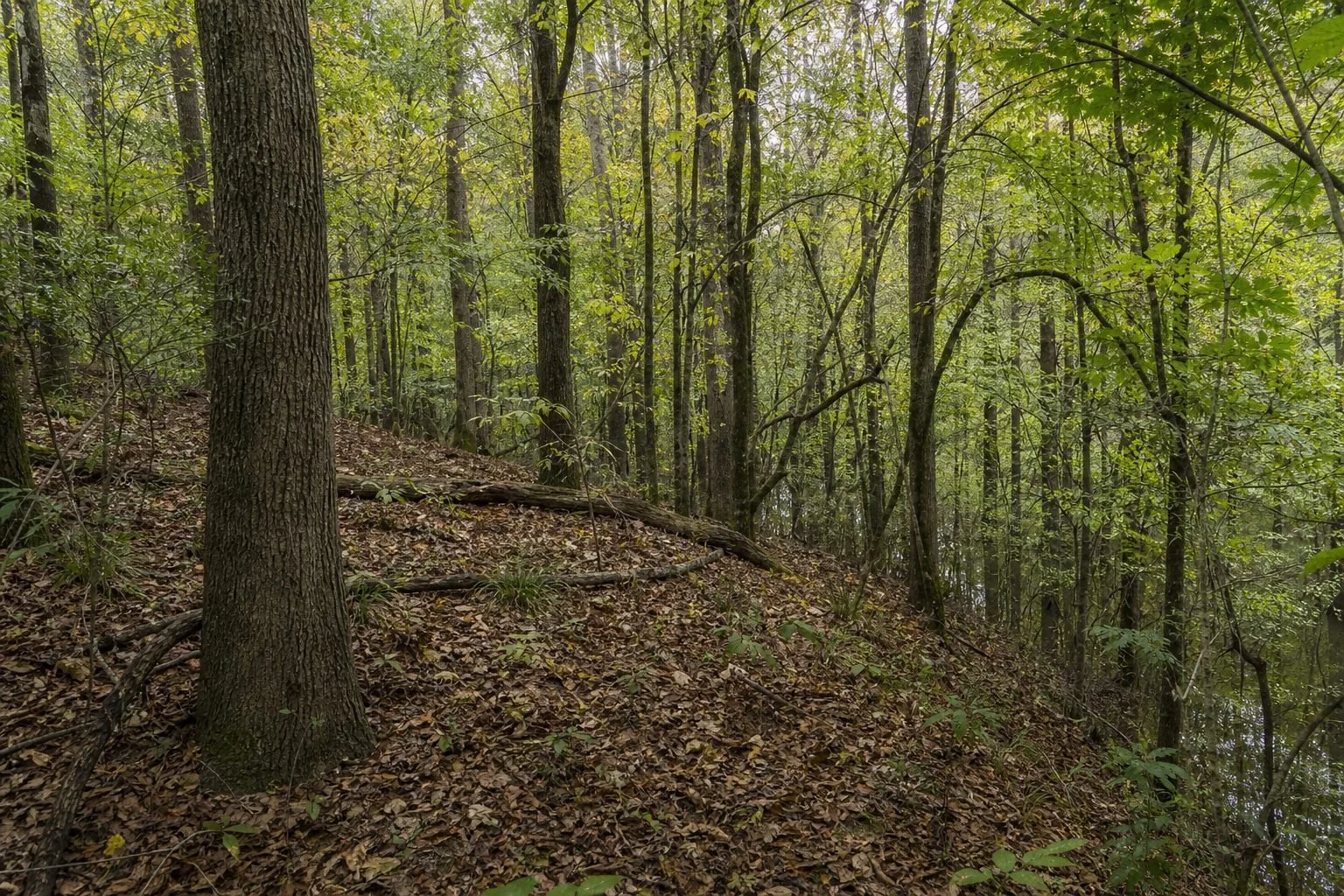
Deer travel differently across the rut, so your stand shouldn't sit in the same spot for three weeks. On public ground I keep a mobile setup and move it as the phase changes.
Seeking: Hunt the Cruising Routes
Seeking bucks travel between doe bedding areas, and they love to scent-check those beds from the downwind side. Your best bets:
Saddles in ridges connecting two bedding areas
Bench trails running a third of the way down a sidehill
The downwind edge of a doe bedding thicket, 60 to 100 yards off
Scrape clusters along a field edge or logging road, especially where two edges meet
Map reading wins this phase. If you can't pick a saddle or bench out of contour lines yet, our guide on reading a topo map for deer hunting walks you through it.
Chasing: Hunt the Pinch Points
A chased doe runs, and she runs where cover and easy footing meet. Every buck behind her follows the same line. So hang where cover necks down.
Inside corners where a field or cutover meets timber. Creek crossings with one good ford. A strip of brush tying two woodlots together. Fence gaps. On flat ground, a 30-yard band of standing timber between an ag field and a swamp funnels more chasing deer than any oak flat on the property.
Lockdown: Hunt the Does and the Weird Spots
During lockdown, go to the does. Tending bucks push their does into small, thick, isolated cover: a cattail slough, a brushy fencerow, a CRP corner, a half-acre plum thicket in the middle of a picked bean field. Spots you'd never expect a 4-year-old buck to bed. Set up on the edge of known doe bedding and stay all day. When he finally leaves her, he heads straight for the next bedding area looking for another doe, and you want to be on that path.
A November Sit That Ties It Together
A few seasons back I hunted a piece of state forest in southern Indiana on November 11. North wind at 8 mph, high 20s at daylight. The setup was an inside corner where a five-year-old clear-cut met a ridge of mature white oak, with a bench trail running along the cut edge about 40 yards below the crest. Does bedded in the cut. I came in from the south, up a creek bottom, so my scent blew back over ground deer weren't using and I never crossed the bench.
From first light to 10 a.m., I watched six does and two young bucks running them ragged. Classic chasing.
At 11:40, a doe trotted out of the cut and turned down the bench. A wide 8-point followed 30 yards behind, grunting with every step. One soft bleat stopped him at 22 yards. The stand wasn't magic. Being on the bench, downwind of the bedding, during chasing phase, and still in the tree at noon when most hunters had climbed down for lunch made the difference.
Rattling and Calling During the Peak Rut
Calling works best when you match it to the phase. Get that backward and the call does more harm than good.
Rattling: When It Works and How to Do It
Rattling pulls hardest in the seeking phase and early chasing, when bucks are fired up and competing but not yet paired with does. Herds with some older bucks and a balanced buck-to-doe ratio respond best. In heavily hunted areas where most bucks are yearlings, expect fewer responses. The ones that do come often come fast.
Here's a sequence that's worked for me for years:
Start soft. Tick the tines together for 10-15 seconds in case a buck is close.
Wait two minutes, then go hard for 30-60 seconds. Grind, twist, rake a sapling, stomp the leaves.
Sit still for 15-20 minutes with your weapon in hand.
Repeat once, then wait another 30 minutes or move on.
Most bucks circle downwind. Set up so your downwind side is open, a field edge, a creek, or thin timber, so you see him before he smells you. Primos Fightin' Horns pack easily on public ground and sound close to real sheds. They're bulky hanging off a saddle, though, and the synthetic tines click a little brighter than real antler on the soft tickle sequence.
Grunts, Bleats, and the Snort-Wheeze
A grunt call does its best work as a contact tool. When a buck walks past out of range, grunt loud enough for him to hear and watch his reaction. If he turns your way, put the call down. Keep calling at a buck that's already coming and he'll hang up looking for the deer making the noise.
During seeking, blind grunting every 20-30 minutes in thick cover pulls in cruisers. Switch to doe bleats and estrus bleats once chasing starts. A bleat stops a chasing buck in a shooting lane better than any voice grunt you can make.
The Primos Rut Roar throws the loud, aggressive grunts a buck makes when he's on a hot doe, and it has a challenge wheeze built in. On frigid mornings, the reed can freeze if you breathe through it too much, so keep it inside your jacket between calls. For bleats, the Primos The Original Can is still the simplest call in the woods. Turn it slowly. One careless flip in your pocket bleats when you don't want it to.
Save the snort-wheeze for a mature buck hung up just out of range. It's a fighting challenge. Throw it at a 2-year-old and he'll often turn inside out and leave.
When to Stay Quiet
On pressured public ground, silence often wins. Bucks on busy WMAs hear bad grunt calls every weekend from October on. If you're seeing chasing action without calling, let the woods do the talking.
And during firearm seasons, rattling on public land draws hunters, not just deer. Wear your orange, keep a big tree at your back, and think twice before rattling where other hunters are close.
All-Day Sit Tactics for the Rut
The best rut hunters I know aren't the best shots or the best callers. They're the ones who can sit dawn to dark five days in a row without cracking. Chasing and lockdown bucks move all day, and on public ground the 10 a.m. to 2 p.m. window produces a lot of mature buck sightings, partly because hunters walking out for lunch push deer past anyone still sitting.
Gear That Keeps You in the Tree
Comfort. A saddle like the Tethrd Phantom lets you stand, lean, and turn 360 degrees without a sound. It runs north of $400 and takes some practice before your legs stop aching, so learn it in September, not November. Our saddle hunting setup guide covers the full kit.
Layers. A fleece base like the KUIU Vital S3 Zip-T and Vital S3 Zip-Off Bottom handles the sweaty walk in and dries fast once you're still. The bottoms zip off over your boots, so you can shed them at the stand without stripping down. Over that, the KUIU Axis Hybrid Hooded Jacket stays quiet when you draw and sheds wind. It isn't insulated, so pack your warmth in and put it on at the stand. For cold sits, the KUIU Proximity Hooded Insulated Jacket and Proximity Insulated Pant cover it. On frigid single-digit mornings, step up to the KUIU Super Down Haven Hooded Jacket and Super Down Haven Bib.
Food and water. Pack 2,500 to 3,000 calories and two liters of water. Unwrap granola bars at home and drop them in a zip bag. Crinkling wrappers carry a long way on a still morning.
A wide-mouth pee bottle. Non-negotiable. Climbing down to relieve yourself spreads scent and costs you the best hours of the day.
Hand warmers and a battery bank. Cold kills phone batteries, and you'll want that phone for maps and boundary checks.
Glass. The Vortex Diamondback HD 10x42 picks out a bedded buck's antler tip in thick cover. At about 22 ounces it's heavier than premium glass, and the edges soften a little in the last minutes of light. On a tighter budget, the Vortex Crossfire HD 10x42 does the job for around half the price, with a bit less clarity at dusk.
Play the Thermals, Not Just the Wind
Wind direction gets all the attention. On hilly ground, thermals decide whether a deer smells you.
Cool air sinks, so at dawn your scent drains downhill. That means sitting below the trail you're watching in the morning. Once the sun warms the slopes, usually by 9 or 10 a.m., air rises and carries scent uphill, and a stand above the trail works better. Late afternoon flips it back down.
For an all-day sit you've got two options. Pick a spot where steady wind overrides thermals, like a ridgetop saddle with 8-15 mph of breeze. Or pick two trees within 100 yards of each other and make one quiet move at midday when the air turns. Check it every hour with a milkweed puff or a squeeze bottle of powder.
Rut Hunting Public Land During the Highest-Pressure Week
In a lot of states, the busiest week of the season lands right on top of peak breeding. Michigan's firearm opener falls on November 15 every year, according to the Michigan DNR. Wisconsin's nine-day gun season opens the Saturday before Thanksgiving. Minnesota opens in early November, in the thick of seeking and chasing. Dates vary widely, so check your state in our state-by-state public land directory.
Bowhunters dread that week. They shouldn't. Pressure moves deer, and moving deer are what you want.
Go Where the Crowd Won't
Research out of Penn State that tracked deer hunters with GPS units found most of them stayed within about a third of a mile of a road. No knock on anybody. Dragging a deer is hard work. But it tells you exactly where deer go on opening morning.
Push past that third-mile line. On a 4,000-acre WMA, getting half a mile from the nearest lot puts you behind most of the traffic.
Cross water. A knee-deep creek or cattail marsh stops most hunters cold. A pair of LaCrosse Alphaburly Pro boots gets you across dry. They're heavy, and they'll rub your heels raw on a two-mile hike, so wear good socks and break them in early.
Hunt the ugly stuff. Briar thickets, blowdowns, steep north-facing slopes, and that thin sliver of public along the highway that everybody drives past.
Check for archery-only parcels. Some refuges, parks, and special-use units stay bow-only during gun season, and pressure from the surrounding ground pushes deer onto them.
Use Other Hunters as Your Drivers
Learn where people park and how they walk in. Then set up between those access routes and the nearest thick escape cover. On opening morning, deer bumped off crowded ridges filter into swamps, thick bottoms, and steep sidehills, and they use the same escape routes year after year. Be on one before the first truck pulls into the lot. Stay put through midday, when hunters climb down and wander around.
Scout With Your Map Before Your Boots
E-scouting saves you on crowded ground. onX Hunt shows boundaries, parking areas, trails, and distance from roads, and the satellite imagery reveals the thick edges and water crossings that keep other hunters out. It's a paid subscription, and it drains your phone fast in cold weather, so keep the phone in an inside pocket with your battery bank. For a full workflow, read our guide to e-scouting for deer hunting.
Stay Safe in a Crowded Woods
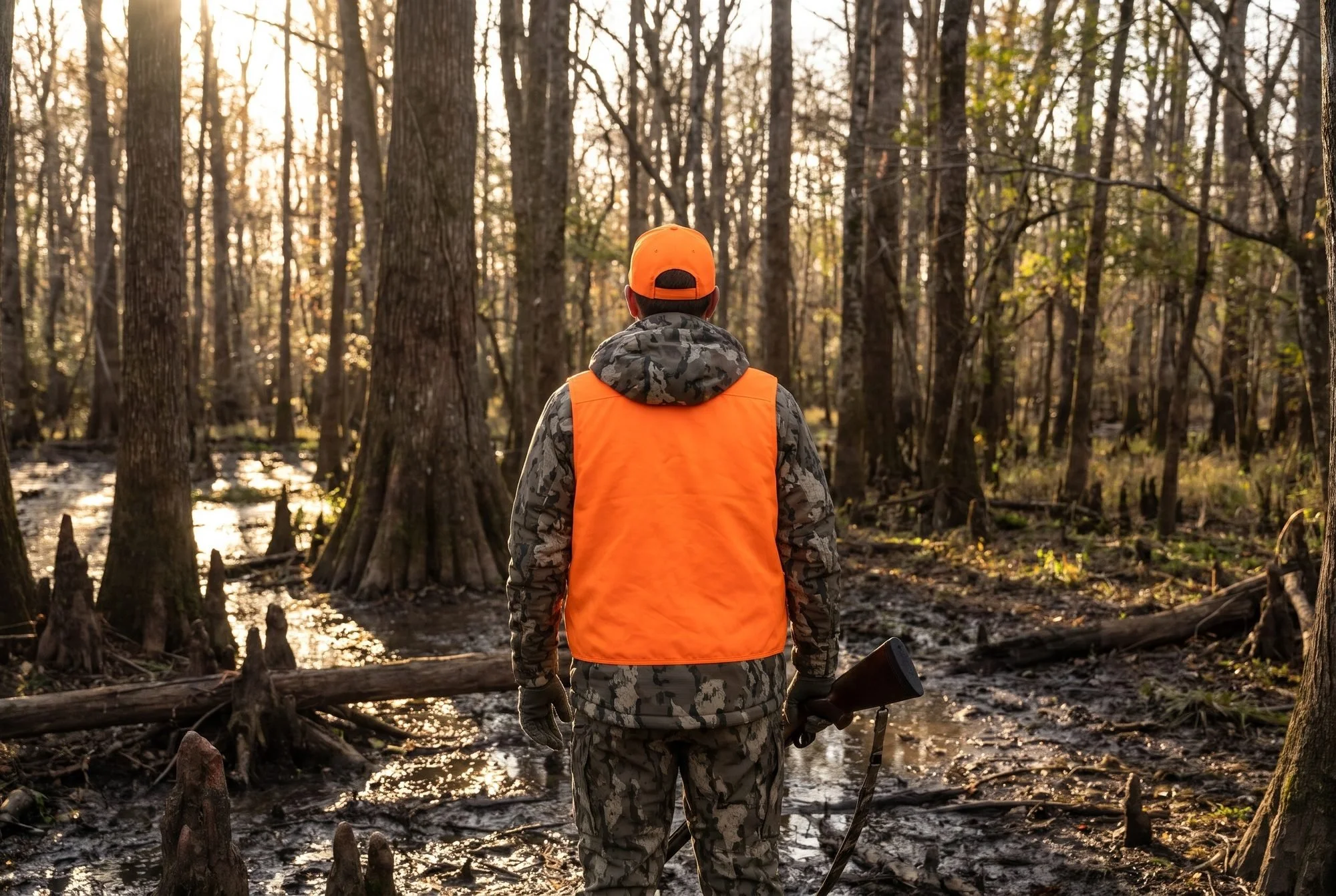
Wear blaze orange whenever a firearm season is open, even if you're carrying a bow, and know your state's requirements. Walk in on a route other hunters can see. And never stalk a grunt or a rattling sequence you hear in the timber. That's another hunter, every time.
Peak Rut Hunting FAQ
When is the peak of the rut?
Across most of the northern two-thirds of the U.S., peak breeding falls between November 10 and November 20. Seeking starts in late October, chasing hits in the first and second weeks of November, and lockdown follows. In the Deep South, peak breeding ranges from October to February depending on the county.
What time of day is best to hunt during the rut?
All day. Dawn and dusk still produce, but chasing and lockdown bucks move at midday, and the 10 a.m. to 2 p.m. window accounts for a lot of mature buck sightings. On public land, that midday stretch gets even better because hunters leaving the woods push deer.
Does the moon phase affect the rut?
The moon doesn't change rut timing. Fetal studies from thousands of does across several states show breeding dates stay consistent year to year regardless of moon phase. Weather affects how much of the rut you see in daylight, and warm spells push more activity into the dark hours.
Should you rattle during lockdown?
Rarely. A buck tending a hot doe won't leave her to check out a fight. Rattling during lockdown pulls in wandering young bucks and the occasional satellite buck, so soft doe bleats near bedding cover tend to work better.
How is rut hunting on public land different from private land?
Pressure changes everything. Public land bucks move more after dark and avoid easy access points, so you'll do better hunting escape cover, ground more than a third of a mile from roads, and terrain other hunters skip. Long midday sits matter even more on public ground.
The rut doesn't wait for you to figure it out. Pick your week, hang for the phase you're in, and sit longer than feels reasonable. If you want help finding public ground worth a dawn-to-dark sit, subscribe to the LandsToHunt.com email list and get our free state-by-state public land hunting guides, with WMAs, national forests, access tips, and season notes for every state, delivered straight to your inbox.
Want a head start on the ground itself? I built Hunting Scout to scout any spot from home. Your first 3 reports each month are free. Try Hunting Scout
