Spring Turkey Hunting Tactics That Actually Work
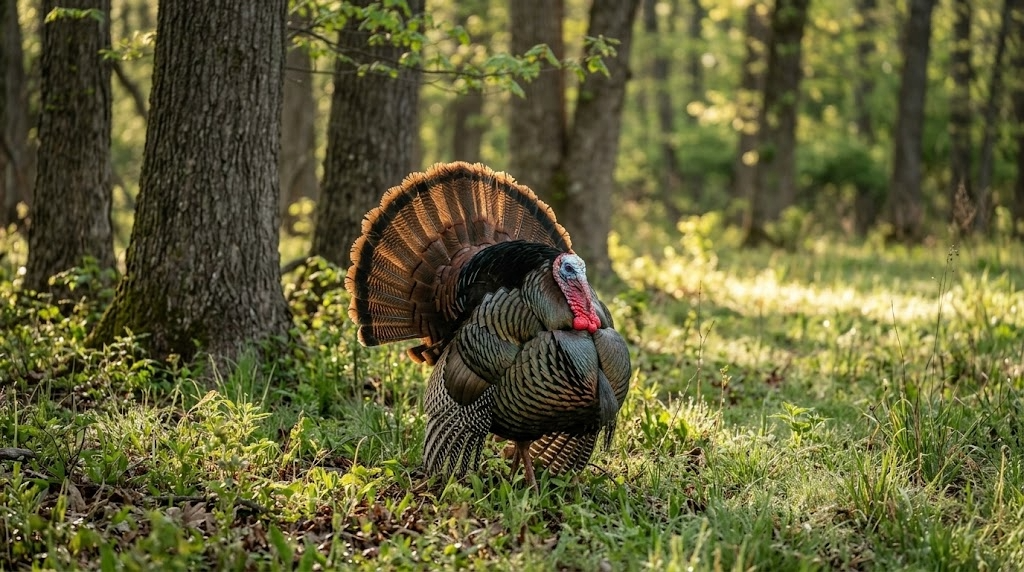
The tom that hammers from the limb on opening morning isn't the same bird you're chasing three weeks later. If you hunt him the same way in May that you did in April, you're going to eat tag soup. Spring turkey hunting tactics have to shift with the season, with the hens, and with the pressure stacking up on every piece of public dirt within driving distance.
Here's how I break down a spring season on public land, week by week, mood by mood.
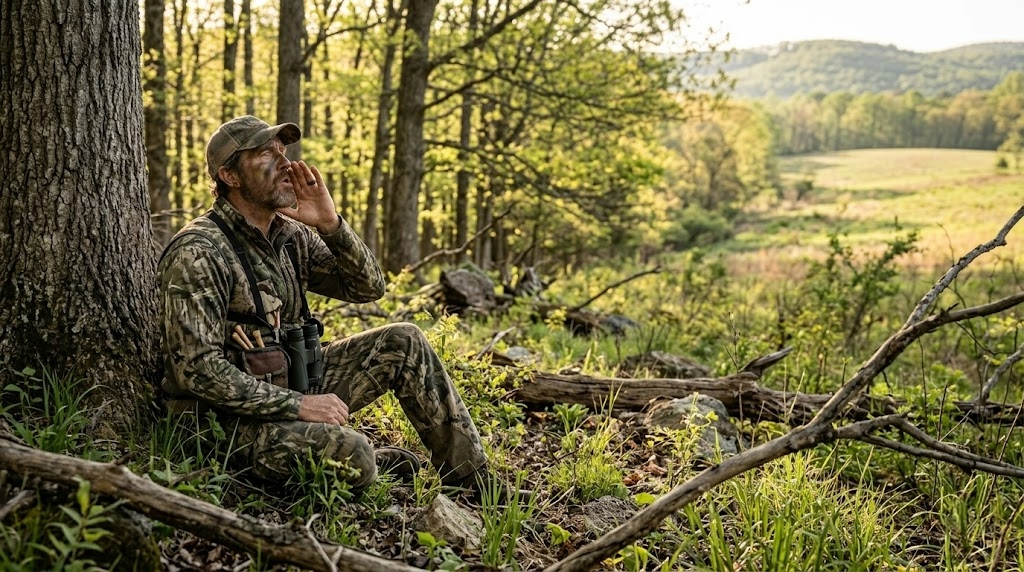
Opening Week: Be the Loudmouth
Opening week birds haven't been called to yet. They've been gobbling at owls, crows, and each other for two weeks, and they're fired up. This is the one stretch of the season where you can get away with being loud, aggressive, and a little sloppy.
Roost a bird the night before if you can. Slip in 45 minutes before legal light, set up 100 to 150 yards from the tree, and let him gobble first. When he hits the ground, hit him with a sharp cutting sequence on a mouth call, three to five sharp cuts followed by a string of excited yelps. If he cuts you off mid-call, shut up. He's coming.
Opening week setup that works on pressured ground: - Single hen decoy, no jake, no strutter - Back against a tree wider than your shoulders - Shooting lanes cleared to 40 yards in a half circle - Sun at your back if you can manage it.
Don't overthink the decoy spread. A lot of these birds have already seen a strutter and bailed. One soft hen looks honest.
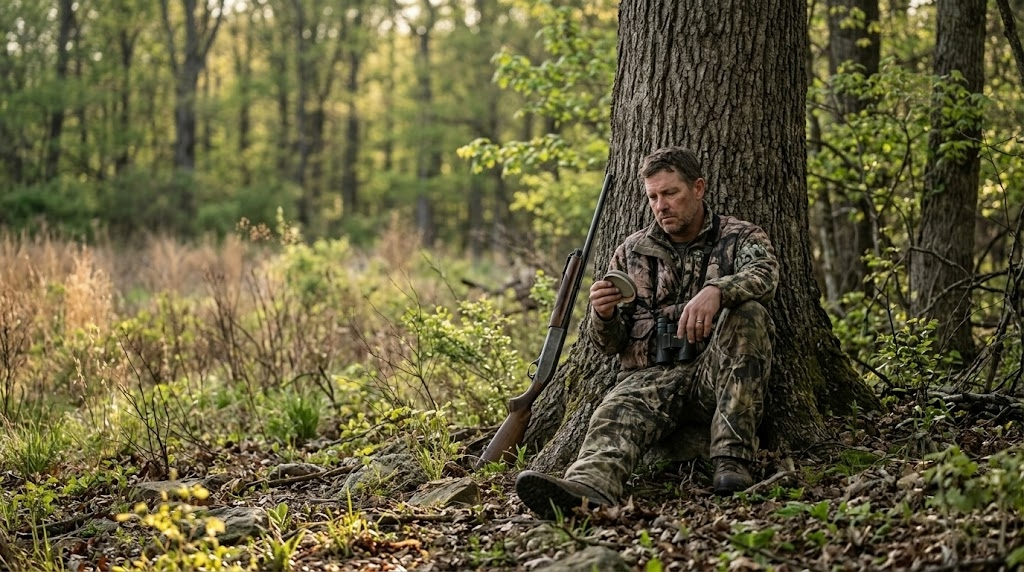
Mid-Season: The Henned-Up Slump
Two weeks in, every gobbler worth shooting has hens on him at daylight. He'll gobble on the limb, fly down, and go silent for four hours while his harem feeds him through the woods. This is when most hunters quit. Don't.
You've got two ways to beat a henned-up gobbler. You can fight the boss hen, or you can wait her out.
Fighting the boss hen means getting close, really close, 75 yards if the cover lets you, and mimicking her exactly. She yelps, you yelp louder. She cuts, you cut over the top of her. You're not trying to call the tom. You're trying to make her so mad she marches over to whip you, and she drags him along behind her. It works maybe one time in four, but when it works it's the most exciting hunt of the spring.
Waiting her out is the patient play. Hens leave gobblers around 10 a.m. to go lay eggs. That lonesome tom is suddenly very interested in any soft yelp he hears. Set up on a known strut zone, a logging road bend, a field edge, an oak flat with a southern exposure, and call sparingly. Three soft yelps every 15 minutes. Let him come looking.
Late Season: Quiet, Slow, and Deadly
By the third and fourth weeks of the season, most toms have been called to, shot at, and spooked off every ridge they own. They're quiet. They might gobble once on the limb and not again all day. People assume the birds are gone. They're not. They're just done talking.
Late season is when you hunt like a bowhunter hunts whitetails. Set up on sign, not sound. Look for fresh strut marks in dusty two tracks, J shaped droppings under roost trees, dusting bowls, and feathers along field edges. Pick a spot where a bird wants to be and sit on it.
Calling late season is a whisper game. Soft tree yelps before fly down, a few clucks and purrs an hour later, and a lot of nothing in between. If you hear a gobble, don't run at it. Move once, set up tight, and make him think a hen is feeding away from him.
Running and Gunning the Right Way
Run and gun gets romanticized, and on public land it gets a lot of guys busted. You can cover ground without bumping every bird in the county if you do it right.
Walk the ridges, not the bottoms. Sound carries up. Stop every 200 yards and hit a loud locator call, a crow call early, an owl hooter at midday, a coyote howler if nothing else is working. Do not yelp to locate. You'll pull in silent toms you never knew were there and educate them when you stand up to leave.
When a bird answers, mark him on your onX Hunt app, drop a waypoint, and close the distance using terrain. Get a ridge or a creek bottom between you and him so you can move fast without being seen. Set up 100 to 150 yards out, never closer on the first sit unless the cover is thick. A mapping app like onX Hunt earns its keep on these moves because the topo lines tell you where you can sneak and where you'll skyline yourself.
Gear that matters for running and gunning: - Lightweight vest with a built-in seat, the TIDEWE Vest, or a Lucky Duck Predator Seat - Quality 10x42 binoculars for glassing fields and openings; the Vortex Diamondback HD does the job for the money. Check current price at Amazon. The downside is they're heavier than premium glass, so if you're walking eight miles a day, you'll feel it. - Two-month calls and a pot call, that's it. Leave the box call in the truck unless it's windy. - Quiet boots that drain. The LaCrosse Alphaburly Pro handles wet spring mornings and creek crossings. Check the current price. They run hot once the day warms up, so plan your walks for early.
Budget option for the guy just getting started: a Primos Hook Hunter mouth call and a slate pot call from any farm store will kill turkeys all day long.

Afternoon Hunting Tactics Most Guys Skip
Where it's legal, and check your state regulations because some states still have half-day seasons, afternoon turkey hunting is the most underused tactic in the spring woods. By 1 p.m., the morning crowd has gone home, the hens have left to nest, and gobblers are looking for one more date before flying up.
Find a known roost area and set up within 200 yards of it by 2 p.m. Call softly every 20 minutes. Yelps, clucks, soft purrs. Don't move. Birds drift back toward the roost slowly through the afternoon, and a lonesome gobbler will commit to a single hen call when he won't come to anything in the morning.
Afternoon birds also hit green fields and food plots hard between 4 and 6 p.m. for bugs and grit. If you've got access to a clover plot or a logging road with green up, that's your spot.
Calling Sequences for Three Common Scenarios
Bird gobbles hard on the limb, no hens visible. Soft tree yelps before flying down, three notes, barely audible. After flying down, a fly down cackle and some loud, excited yelps. Then shut up for 10 minutes. If he hangs up, scratch the leaves with your hand to mimic a feeding hen.
Bird is henned up and drifting away. Get aggressive. Cutting and excited yelping aimed at the boss hen. Match her cadence and step on her calls. If she responds, you're in business.
Bird gobbles once at midday and goes silent. Set up immediately, 100 yards toward where you think he is. Three soft yelps. Wait 20 minutes. Three more. Don't move for at least an hour. Silent toms kill more hunters' patience than they kill themselves.
Frequently Asked Questions
What's the best time of day to kill a public land gobbler?
First light gets the headlines, but the 10 a.m. to noon window is when mature public-land toms die. Hens have left them, hunter pressure has cleared out, and a soft calling setup on a strut zone is hard to beat.
Should you use a decoy on pressured public land?
A single hen decoy works most of the season. Skip the strutter and the jake on heavily pressured ground after week one. Mature toms have seen the trick and will hang up at 60 yards or fade out completely.
How far should you set up from a roosted gobbler?
100 to 150 yards is the sweet spot. Closer, and you risk getting busted at flydown. Farther and a hen can pull him the wrong way before he ever hears you.
Is it worth hunting turkeys in the rain?
Yes, especially light steady rain. Birds spend more time in fields and open areas where they can see, and they tend to be quieter but very killable over decoys.
How do you find turkeys on new public land?
Start with onX Hunt and look for a mix of mature hardwoods, open fields or food plots, and a water source within half a mile. Then go listen at dawn from a high point. Two mornings of scouting tell you more than two weeks of map study.
Want the full state-by-state breakdown of where to chase spring gobblers on public ground? Subscribe to our free state-by-state public land hunting guides, and we'll send the spring turkey edition straight to your inbox.
Subscribe for free state-by-state public land hunting guides and get the spring turkey edition delivered to your inbox before opening day.
