This guide includes affiliate links. LandsToHunt.com earns a commission on qualifying purchases.
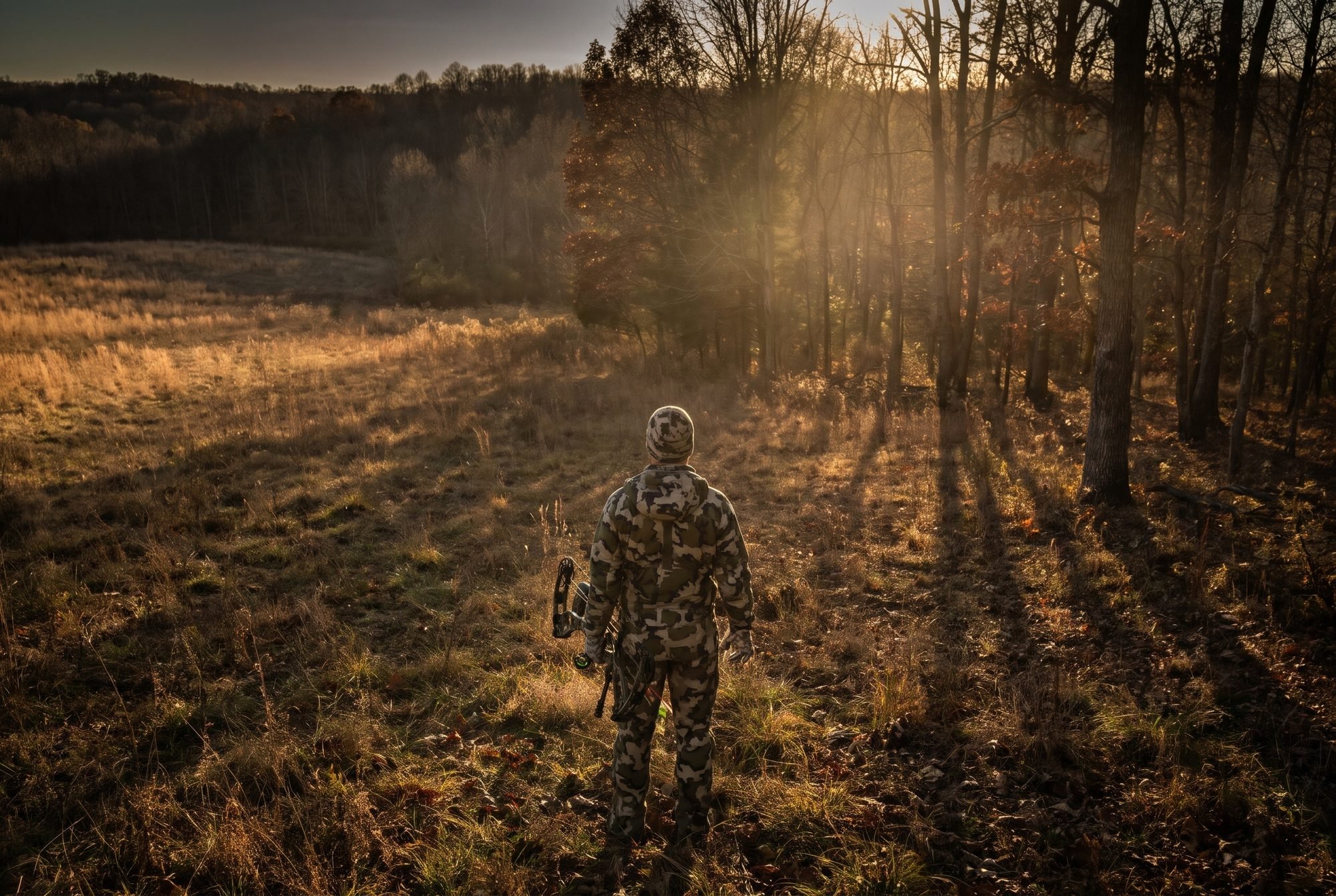
Public ground makes you pay for every deer in footsteps. The good spots sit a mile or more from the parking lot, past the creek nobody wants to wade and up the ridge nobody wants to climb. So the best hunting boots for public land aren't the warmest pair on the wall. They're the ones that keep your feet dry through a creek crossing, cool on a 40-minute hike in, and warm through a three-hour sit after you've sweated the whole way there.
I've worn out a pile of boots over 25 years of hunting and managing ground, from Indiana river bottoms to western sagebrush. Most of those failures had nothing to do with the brand. Wrong boot, wrong job.
Why Public Land Is Harder on Hunting Boots
Plenty of private-land hunters park a side-by-side 200 yards from the stand. Public land doesn't work that way.
On a pressured WMA or a big block of national forest, the deer that survive into November live where people quit walking. That usually means a mile or more from the nearest lot, across a creek or a cattail flat, then up a steep sidehill. One walk in the dark throws mud, ankle-deep water, slick leaves, and loose rock at your feet before you hang a saddle. Then you sit still for three hours.
That last part is where boots fail.
You sweat on the hike, the moisture soaks your socks, and by 8 a.m. your toes ache no matter how many grams of insulation the box promised. Public land boots need to handle four jobs at once:
Stay waterproof through creek crossings and dew-soaked grass
Breathe enough that a long walk doesn't flood your socks with sweat
Support your ankles on side hills while you carry 20 to 30 pounds of gear
Hold enough warmth for a long, motionless sit
No single boot nails all four. That's the honest reason the picks below each own a different lane.
Good gear matters less than good ground. I built Hunting Scout so you can scout a spot from home before you buy a thing. Real terrain, water, boundaries, and wind for any location. 3 free reports a month. Run a free scout report
Quick Picks: Best Hunting Boots for Public Land
Best all-around: Danner Pronghorn. Supportive leather boot that handles most Midwest and Eastern whitetail ground. Roughly $200 to $260.
Best for wet ground: LaCrosse Alphaburly Pro. Tall rubber for creeks, marsh edges, and scent control. Roughly $180 to $220.
Best lightweight: Irish Setter Vaprtrek. Built for long walk-ins and early season heat. Roughly $180 to $260.
Best for steep country: Kenetrek Mountain Extreme. Stiff, tall, and made for western terrain. $500 and up.
Best budget: A plain uninsulated rubber knee boot. Farm-store basic for $60 to $100.
Prices shift with sales and insulation weight, so check current numbers before you buy.
Public Land Hunting Boot Reviews
Danner Pronghorn: Best All-Around Public Land Boot
Buying only one pair? Start here. The Pronghorn pairs a leather upper with a Gore-Tex waterproof liner and a Vibram outsole, in an 8-inch height that gives your ankles real support without feeling like a ski boot.
Danner sells the Pronghorn uninsulated and in several Thinsulate weights. For most public land whitetail hunting in the Midwest and East, the 400-gram version hits the sweet spot. Warm enough for a November morning in a saddle. Light enough that a mile-and-a-half walk through hardwoods won't cook your feet.
On wet oak leaves and slick clay creek banks, the tread has held better for me than most boots at this price.
The downside: leather takes a long time to dry once water tops the collar. Step into a 10-inch-deep creek and you'll wear wet socks home. The Gore-Tex liner also wears at the flex points after a few hard seasons, and once that liner goes, the boot leaks.
Best for: whitetail and turkey hunters on hardwood ridges, old fields, and mixed terrain who walk a mile or less and cross water only once in a while.
Expect to pay $200 to $260 for the Danner Pronghorn, depending on insulation.
LaCrosse Alphaburly Pro: Best Rubber Boot for Wet Ground
Some of the best public whitetail habitat in the country sits in river bottoms, beaver sloughs, and cattail-choked marsh edges. Leather loses that fight every time. The Alphaburly Pro is an 18-inch rubber boot built over a neoprene core, so you can wade a knee-deep creek, cross a flooded slough, and climb into your setup with dry feet.
Rubber also holds less human scent than leather and fabric. On public ground where every deer has smelled a hunter, that matters. I wear rubber on every walk that skirts a bedding area I plan to hunt.
LaCrosse offers the Alphaburly Pro uninsulated and in heavier Thinsulate weights. The 800-gram version works well for late October through December sits in northern states.
The downside: rubber doesn't breathe. On a long uphill walk in 50-degree weather, your socks will be soaked before you reach the tree. Ankle support feels loose compared to a laced boot, so side-hilling with a heavy pack gets sloppy. Some hunters fight heel lift too, until they size down or add an aftermarket insole.
Best for: river bottoms, marsh edges, Southern swamp WMAs, waterfowl walk-ins, and any hunter who's serious about scent control.
The LaCrosse Alphaburly Pro runs about $180 to $220.
Irish Setter Vaprtrek: Best Lightweight Boot for Long Walk-Ins
Early season changes the math. In September, sweat is a bigger threat than cold.
Irish Setter built the Vaprtrek around low weight, and you'll feel the savings around mile two of a long hike. The boot is waterproof and comes in several versions, including an uninsulated model. Pick that one for early archery, summer scouting trips, and spring turkey. The flexible build feels closer to a hiking boot than a traditional hunting boot, which makes quiet steps on dry leaves a lot easier.
The downside: lighter materials don't take abuse like full-grain leather. Greenbrier, rock, and repeated creek-bank scrambles wear the upper faster. A softer sole also gives less support under a heavy pack, so hauling quarters out gets very uncomfortable, very fast.
Best for: early season bowhunters, spring turkey hunters, and anyone who logs big miles while scouting.
Look for the Irish Setter Vaprtrek in the $180 to $260 range.
Kenetrek Mountain Extreme: Best for Steep Country and Serious Cold
Western public land plays by different rules. Chasing elk on national forest ground or mule deer across BLM breaks means steep sidehills, loose shale, and loaded pack-outs. A soft boot will wreck your ankles out there.
The Mountain Extreme is a 10-inch, full-grain leather boot with a stiff midsole that keeps your foot stable while you kick steps into a slope. Kenetrek offers the boot uninsulated and in a 400-gram insulated version. On multi-day hunts, the stiffness pays you back every time you sidehill with weight on your back.
The downside: price and weight. You'll spend $500 or more, and the stiff build feels clunky on flat Midwest ground. Break-in takes real miles too. Put 30 to 50 miles on them before a big trip, not three laps around the neighborhood.
Best for: elk, mule deer, and mountain hunters on steep ground, plus late-season hunters who want a stout, tall leather boot.
Pricing for the Kenetrek Mountain Extreme starts around $500.
Budget Pick: A Plain Uninsulated Rubber Knee Boot
Not everyone has $200 for boots, and you don't need that much to get started. A basic uninsulated rubber knee boot from a farm store runs $60 to $100 and handles creek crossings, early season dew, and short walk-ins just fine. Add thick wool socks and the same boot stretches into October.
The downside: thin rubber cracks at the flex point after a season or two, and support is close to zero. You'll feel every root and rock. Treat this pair as a starter boot or a backup that lives in the truck.
Best for: new hunters, tight budgets, and anyone who wants a spare pair for wet mornings.
How to Choose the Best Hunting Boots for Public Land
The box will tell you everything is waterproof, silent, and warm to 40 below. Ignore most of that. Four things decide whether a boot works on public ground.
Insulation Weight Should Match Your Walk, Not the Forecast
Here's the rule I give every new hunter: the farther you walk, the less insulation you need. Hard walking makes a lot of heat. Heavy insulation traps sweat, and wet feet go cold faster than dry feet in thinner boots.
Uninsulated to 200 grams: early season, spring turkey, scouting, and long active walks
400 grams: the sweet spot for most public land whitetail hunting from mid-October through November
800 grams: late-season sits and short walks in northern states
1,000 grams and up: waterfowl blinds, ice fishing, and stands a few hundred yards from the truck
Rubber vs. Leather
Rubber wins on water and scent. Leather wins on support, breathability, and comfort over distance. Hunt mostly bottoms and marsh edges? Go rubber. Ridges, hardwoods, and steep ground call for leather.
Height
An 8-inch boot handles most terrain. Ten inches buys extra protection in snow and steep rock. For water deeper than your ankles, knee-high rubber is the only real answer.
Fit and Break-In
Shop in the afternoon, after your feet have swelled, and wear the socks you'll hunt in. You want a thumb's width of room past your longest toe and no heel slip on a staircase. Then put 15 to 20 miles on the boots before opening day. Blisters on the first walk in are a choice you made in August.
What's Mostly Hype
Scent-control treatments wear off. "Lifetime waterproof" lasts until the liner cracks, and every liner cracks eventually. Camo patterns on a boot do nothing, because deer don't care what your feet look like. Pay for fit, waterproofing, sole quality, and the right insulation. Skip the extra money for the rest.
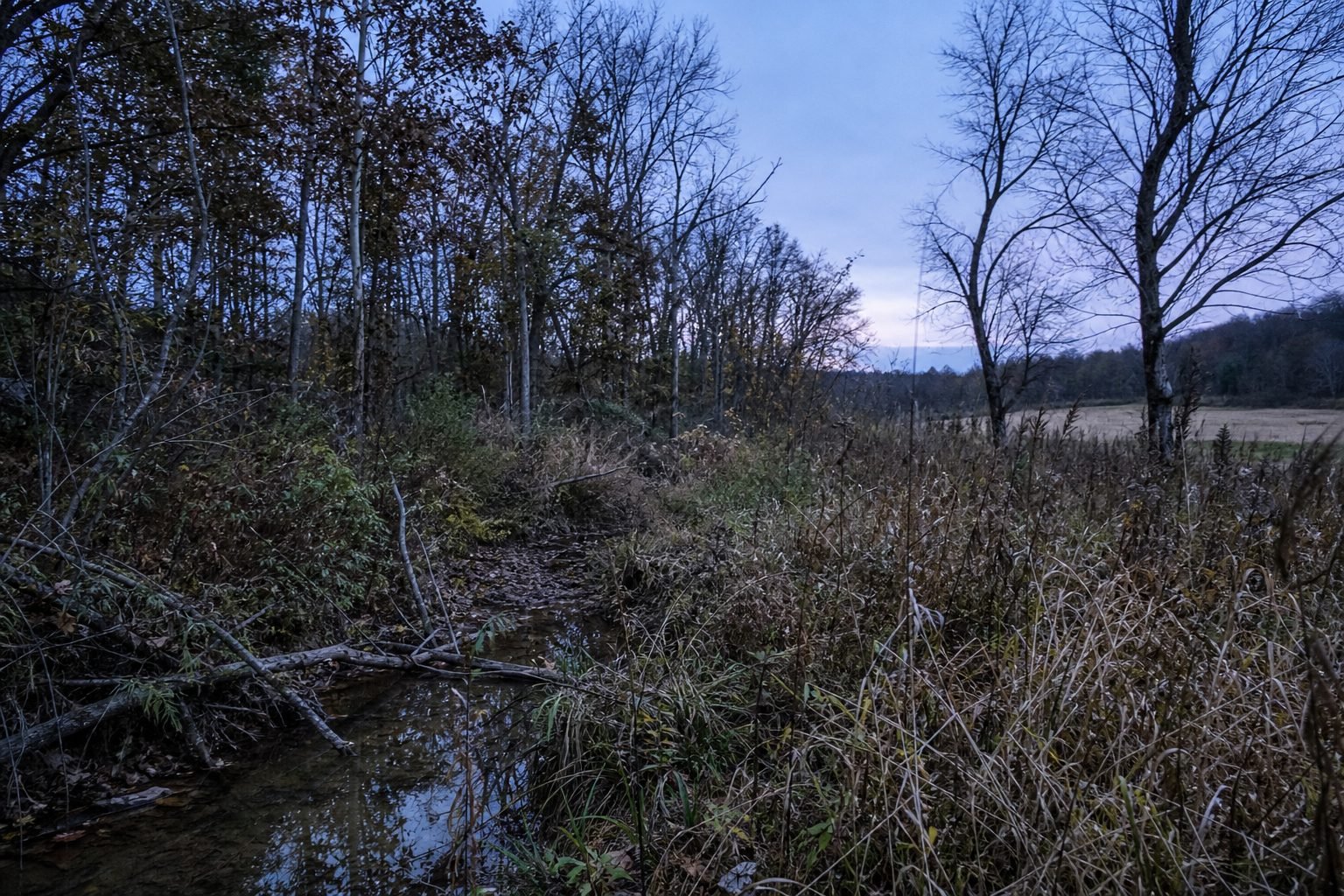
Match Your Boots to Your Public Land Terrain
Ground type should drive the purchase more than any brand name. Here's how I'd pair boots by region:
Midwest river bottoms and WMAs (Indiana, Illinois, Iowa, Missouri): rubber knee boots for the bottoms, a 400-gram leather boot like the Pronghorn for upland ridges and CRP edges.
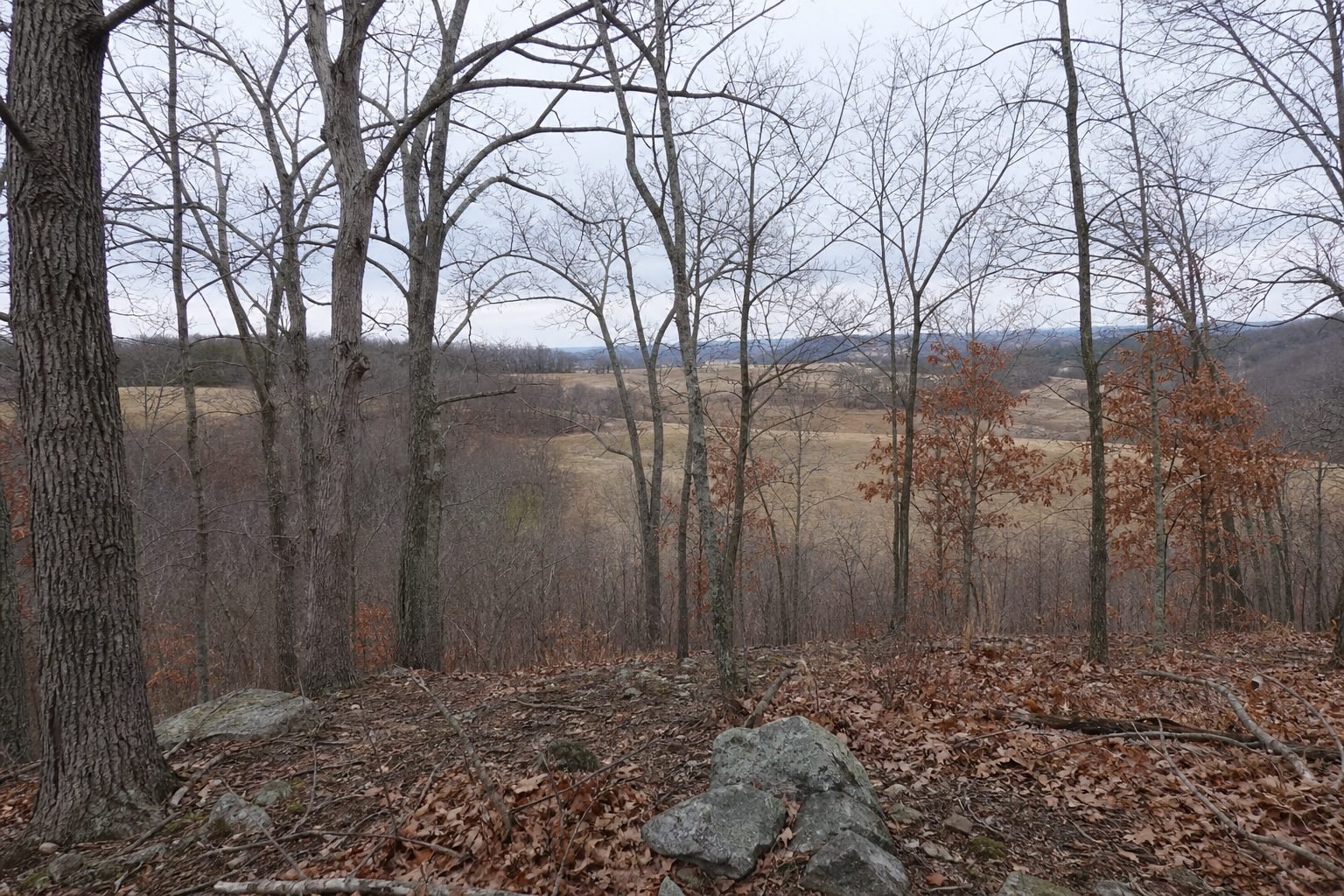
Eastern hardwood ridges (Pennsylvania, Kentucky, Virginia, Tennessee): 8-inch leather with aggressive tread for wet leaves and clay banks.
Northern big woods (Michigan, Wisconsin, Minnesota): 800-gram rubber or leather for November rifle sits, with enough height for snow.
Southern swamp and pine country (Georgia, Alabama, Louisiana): uninsulated or lightly insulated rubber, every time.
Western BLM and mountain ground (Montana, Colorado, Wyoming): stiff 10-inch leather like the Mountain Extreme.
Still deciding where you'll hunt? Our state-by-state public land directory breaks down terrain, cover types, and access for each state, so you can plan boots around the ground before you spend a dime.
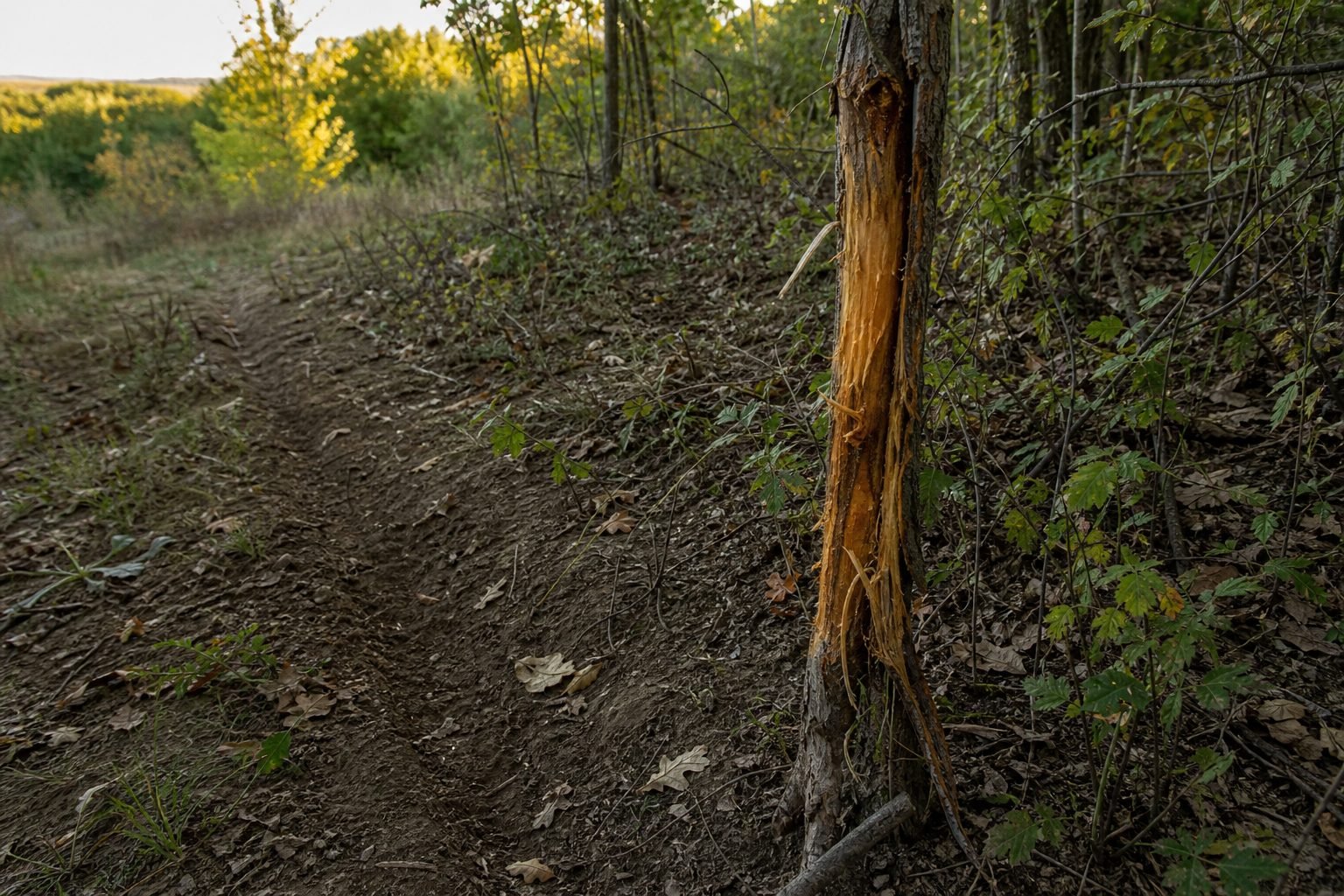
The Two-Boot System Most Public Land Hunters Need
I learned this one the hard way on a cold November morning in southern Indiana. The walk in covered about a mile and a quarter, with a steep climb out of a creek bottom to a bench where deer cut across a point. I wore 800-gram boots because the forecast called for 22 degrees. Soaked socks by the time I reached the tree. By 8 a.m. my toes had gone numb, and I climbed down an hour before deer movement picked up.
The fix was simple.
Most serious public land hunters end up with two pairs: a light, breathable boot for long walks and early season, and a wet-ground or insulated pair for cold sits and water. On the coldest days, walk in with lighter boots and carry a dry pair of merino wool socks in your pack. Swap socks at the base of the tree before you climb. Insulated boot covers stuffed in your pack add warmth for the sit without the sweat on the hike.
Footwear matters even more from a saddle, where you stand on a small platform for hours and your feet do all the work. Our saddle hunting setup guide covers how platform choice and boots work together.
And plan your route before you pick your boots. Twenty minutes with aerial imagery and a topo layer tells you whether you're crossing water, climbing 300 feet, or walking flat field edges. Our guide on how to scout public land lays out that process step by step.
Boot Care Between Hunts
Pull the insoles after every wet hunt and dry your boots at room temperature, stuffed with newspaper. Never park leather boots next to a woodstove or a truck heater vent. Heat cracks leather and cooks the glue that holds the sole on. Brush the mud off and treat leather uppers with a manufacturer-approved conditioner once or twice a season. Rubber needs even less attention: rinse, dry, and store out of direct sun so the rubber doesn't crack.
Best Hunting Boots for Public Land: FAQ
What insulation weight is best for public land deer hunting?
For most whitetail hunters, 400 grams covers the bulk of the season. Go uninsulated for September and long walk-ins. Step up to 800 grams only for late-season sits or short walks in northern states.
Are rubber boots or leather boots better for public land?
Rubber boots are better for water, mud, and scent control. Leather boots are better for long walks, steep terrain, and ankle support. Plenty of public land hunters own one pair of each and choose based on the route that morning.
How long does breaking in new hunting boots take?
Plan on 15 to 20 miles for a lightweight or mid-weight boot and 30 to 50 miles for a stiff mountain boot like the Kenetrek Mountain Extreme. Start at least a month before opening day.
Do I need different boots for early and late season?
Ideally, yes. One 400-gram boot will stretch across most of the season, but an uninsulated pair for September heat and an 800-gram or rubber pair for December cold keep your feet more comfortable and your sits a lot longer.
Good boots get you to the spots other hunters won't reach, and that's where public land deer live. If you're still building your kit, our public land gear list covers packs, optics, and clothing that pair with the boots above. And when you're ready for new ground to wear them on, subscribe to the LandsToHunt email list for free state-by-state public land hunting guides, delivered straight to your inbox.
Want a head start on the ground itself? I built Hunting Scout to scout any spot from home. Your first 3 reports each month are free. Try Hunting Scout
