Public Land Hunting in Missouri: Conservation Areas, the Ozarks, and 2.5 Million Acres of Opportunity

Missouri runs one of the best-funded, best-managed public hunting programs in the country, and most out-of-state hunters have no idea how deep the access goes. The Missouri Department of Conservation (MDC) manages more than 1,000 conservation areas totaling roughly 1 million acres. Add the Mark Twain National Forest at 1.5 million acres across southern Missouri, and the state's total public hunting acreage pushes past 2.5 million. That's more accessible ground than most western states, sitting right in the heart of the best whitetail and turkey range in America.
Public land hunting in Missouri rewards the DIY hunter who shows up ready to work. The deer herd consistently ranks in the top ten nationally for Boone and Crockett entries. The spring turkey hunting is among the best in the country. Non-resident tags are over the counter. The archery season stretches from mid-September into mid-January. And the Missouri conservation areas hunting system gives you a network of properties spread across every county in the state, from the farm-country flats of the north to the Ozark ridge country in the south.
If you're looking for a state where you can buy a tag today and hunt quality whitetails on accessible public ground through a season that covers five months, Missouri belongs at the top of your list.
How Much Public Land Does Missouri Have for Hunting
The numbers break down better than most hunters expect:
MDC Conservation Areas: More than 1,000 areas totaling roughly 1 million acres, managed by the Missouri Department of Conservation. These range from 40-acre tracts to massive properties over 20,000 acres.
Mark Twain National Forest: ~1.5 million acres across nine ranger districts in southern and central Missouri, managed by the U.S. Forest Service
Army Corps of Engineers lands: Significant acreage around reservoirs like Truman, Stockton, Pomme de Terre, and Table Rock
National Wildlife Refuges: Mingo, Squaw Creek, and several smaller refuges offering seasonal hunting access
State parks with hunting: Select MDC-managed areas within or adjacent to state parks
The MDC conservation area system is the backbone of public land hunting in Missouri. The department funds itself primarily through a dedicated conservation sales tax that Missouri voters have renewed multiple times since 1976. That funding model means MDC conservation areas are actively managed for wildlife, not just left alone. Timber cuts, prescribed burns, food plots, and habitat work happen on a schedule across the system. The result is a healthier habitat and better hunting than you'll find on most state-managed public land in the country.
For licensing, Missouri residents pay about $12 for a small game hunting permit and $11 for a deer or turkey permit (plus $7 for additional antlerless tags). Non-residents pay $125 for a small game permit, $200 for a firearms deer permit, and $100 for an archery-only deer permit. All tags are over the counter. No draws, no preference points, no waiting for whitetail. Turkey permits run $25 resident and $125 non-resident for spring, with tags available over the counter.
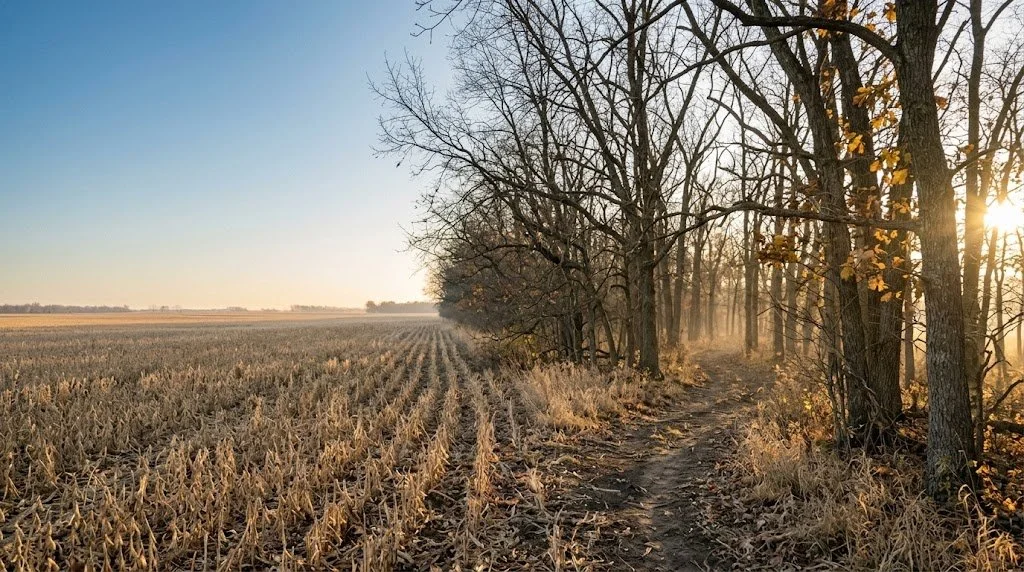
Top 12 Public Hunting Areas: The Best Missouri Conservation Areas and Beyond
Mark Twain National Forest (Eleven Point District)
Managing agency: U.S. Forest Service
Acreage: 200,000 (Eleven Point District)
Region: Oregon, Shannon, and Carter counties, south-central Missouri
Primary species: Whitetail, turkey, squirrel, grouse
Terrain: Ozark ridges, steep hollows, oak-hickory-pine mix, spring-fed creek drainages, karst topography with sinkholes and bluffs
Access: Open with a valid Missouri hunting permit. Dispersed camping allowed. Extensive forest road network.
Insider tip: The sinkholes and karst features scattered across the Eleven Point District create natural terrain funnels that topo maps make obvious. Deer travel the edges of sinkholes the way they travel creek bottoms elsewhere, following the rim where the ground transitions from flat to steep. Find a sinkhole with an oak-dominated overstory on the south side, and you've found a spot that holds both food and a travel corridor.
Peck Ranch Conservation Area
Managing agency: MDC
Acreage: 23,600
Region: Carter and Shannon counties, Ozarks
Primary species: Whitetail, turkey, elk (drawn only), black bear (limited)
Terrain: Rugged Ozark ridges, Current River watershed, mixed hardwood and cedar glades, pine plantations
Access: Standard MDC access. Some areas are restricted during elk season.
Insider tip: Peck Ranch is the epicenter of Missouri's restored elk herd, and elk tags are drawn through a lottery with very long odds. But the whitetail hunting on the property is excellent, yet it gets overlooked because everyone talks about the elk. The rugged terrain keeps casual hunters close to the roads, and the deer in the interior hollows see very little pressure after the first weekend of firearms season.
Deer Ridge Conservation Area
Managing agency: MDC
Acreage: 7,000
Region: Lewis County, northeast Missouri
Primary species: Whitetail, turkey, waterfowl, dove
Terrain: Rolling farm country, hardwood timber blocks, crop field edges, managed wetlands
Access: Good road access to multiple parking areas. Managed wetland units for waterfowl.
Insider tip: Northeast Missouri is the state's best farm-country deer region, and Deer Ridge sits in the middle of it. The timber blocks between agricultural fields create the kind of edge habitat that grows big deer. Hunt the funnels where narrow strips of timber connect larger hardwood blocks. During the rut, bucks cruise those corridors between doe groups bedded in separate timber pockets.
Rocky Creek Conservation Area
Managing agency: MDC
Acreage: 3,400
Region: Shannon County, Ozarks
Primary species: Whitetail, turkey, squirrel
Terrain: Steep Ozark ridges, rocky creek drainages, old-growth hardwood pockets, cedar glades
Access: Walk-in from perimeter parking. The interior is rugged and remote.
Insider tip: Rocky Creek is small enough that most hunters scan past it on the MDC map, and that's your advantage. The terrain is brutally steep, which keeps pressure low despite the relatively small acreage. Hunt the benches on the upper slopes where deer bed with a view downhill and escape routes along the contour. The old-growth oak pockets along the upper drainages produce mast that draws deer from the surrounding private ground.
Bob Brown Conservation Area
Managing agency: MDC
Acreage: 6,600
Region: Holt County, far northwest Missouri, along the Missouri River
Primary species: Waterfowl, whitetail, dove, turkey
Terrain: Missouri River bottomland, managed wetland impoundments, agricultural fields, cottonwood and willow flats
Access: Road access to levee roads and parking areas. Boat access for some wetland units.
Insider tip: Bob Brown is one of the best public land waterfowl destinations in the Central Flyway. The managed impoundments pull serious numbers of ducks and geese during migration. Midweek hunts in late November give you blinds that are standing-room-only on Saturdays. The deer hunting along the river timber gets overlooked because the property is known for ducks, and the bottleneck whitetail bucks that live in the narrow timber strips between the ag fields and the river see almost no hunting pressure.
Caney Mountain Conservation Area
Managing agency: MDC
Acreage: 8,100
Region: Ozark County, south-central Missouri
Primary species: Whitetail, turkey, black bear (limited), squirrel
Terrain: Some of the steepest terrain in Missouri. Deep hollows, sandstone bluffs, mature oak-hickory, shortleaf pine
Access: Gated interior roads. Walk into most of the properties.
Insider tip: Caney Mountain holds bears and big bucks for the same reason: the terrain is nasty enough to keep most hunters in their trucks. The interior hollows are 300-plus feet deep with slopes that test your legs and your will. If you're willing to drop into a hollow and hunt the benches and saddles on the far side, you'll find deer that haven't seen a human since last November. Bring the Danner Pronghorn boots. You'll need the ankle support and tread.
Schell-Osage Conservation Area
Managing agency: MDC
Acreage: 8,600
Region: Vernon and St. Clair counties, west-central Missouri
Primary species: Waterfowl, whitetail, turkey, quail, dove
Terrain: Managed wetlands, prairie, crop fields, scattered hardwood timber
Access: Good road access. Designated waterfowl blinds on managed pools.
Insider tip: Schell-Osage is a premier duck property, but the prairie edges between the managed pools hold coveys of wild bobwhite quail that get almost no hunting pressure. If you're a bird dog person, spend a January afternoon on the brushy prairie margins after the waterfowl crowd goes home. The quail hunting here is as good as public land quail gets in Missouri.
Indian Trail Conservation Area
Managing agency: MDC
Acreage: 4,400
Region: Callaway County, central Missouri
Primary species: Whitetail, turkey
Terrain: Mixed hardwood ridges, creek bottoms, brushy edges, agricultural borders
Access: Standard MDC access with several parking pull-offs.
Insider tip: Indian Trail sits in the transition zone between the Ozarks and the northern farm country, and deer densities here reflect the richer soils and better food base. The creek bottom that runs through the property creates a natural travel corridor with pinch points where the timber narrows between the creek and the adjacent ag fields. Set up at those pinch points during the rut.
Rudolf Bennitt Conservation Area
Managing agency: MDC
Acreage: 3,600
Region: Randolph County, north-central Missouri
Primary species: Whitetail, turkey, dove, quail
Terrain: Open grassland, brushy draws, timber blocks, agricultural edges
Access: Multiple access roads with pull-off parking.
Insider tip: Bennitt is smaller and less well-known than the big northern Missouri conservation areas, and the deer here benefit from lower pressure and proximity to surrounding agricultural ground. The brushy draws that cut through the grassland create natural travel corridors. Glass these draws from the high ground at first and last light with a pair of Vortex Diamondback HD 10x42 binoculars, and you'll find deer moving between bedding in the thick brush and feeding on the ag edges.
Mark Twain National Forest (Ava-Cassville-Willow Springs District)
Managing agency: U.S. Forest Service
Acreage: 400,000 combined across the three districts in southwest/south-central Missouri
Region: Taney, Christian, Douglas, Ozark, and surrounding counties
Primary species: Whitetail, turkey, squirrel, occasional bear
Terrain: Ozark plateau, white oak and red oak ridges, shortleaf pine, rocky creek bottoms, glade openings
Access: Extensive forest road network. Dispersed camping allowed throughout.
Insider tip: The glade openings on south-facing slopes throughout this part of the Mark Twain are natural food sources that deer use the way they use ag fields in the north. Glades grow native grasses, forbs, and browse that peak in nutritional value during early fall. Hunt the timber edges around these glades during September and October archery and you'll find deer still on predictable summer-pattern food sources while other hunters are sitting over acorns that haven't dropped yet.
Little Lost Creek Conservation Area
Managing agency: MDC
Acreage: 3,000
Region: Warren County, east-central Missouri
Primary species: Whitetail, turkey
Terrain: Mixed hardwood ridges, creek bottom, bluff faces, agricultural borders
Access: Walk-in from parking areas along the perimeter.
Insider tip: Little Lost Creek is close enough to the St. Louis metro that it gets attention during gun season, but the archery pressure is very manageable on weekdays. The creek corridor funnels deer movement through the property, and the bluff faces along the east side create natural pinch points that deer can't avoid. Set up below the bluff on a creek bend where a trail drops off the ridge and you've got a natural ambush that works with a west wind.
Settle's Ford Conservation Area
Managing agency: MDC
Acreage: 4,400
Region: Texas County, Ozarks
Primary species: Whitetail, turkey, squirrel
Terrain: Big Spring country. Deep hollows, spring-fed creek bottoms, mature oak forest, cedar breaks
Access: Walk-in to the interior. Gated roads limit vehicle access.
Insider tip: The spring-fed creek at the bottom of this property runs clear and cold year-round, and deer water there through every season. During dry years, when seasonal creeks on surrounding properties dry up, this permanent water source concentrates deer movement. Hunt the trails leading to water during September and October archery when water is still a daily need, and the summer pattern holds. A Muddy Matrix 2.0 cellular camera at the creek crossing tells you exactly when deer arrive.
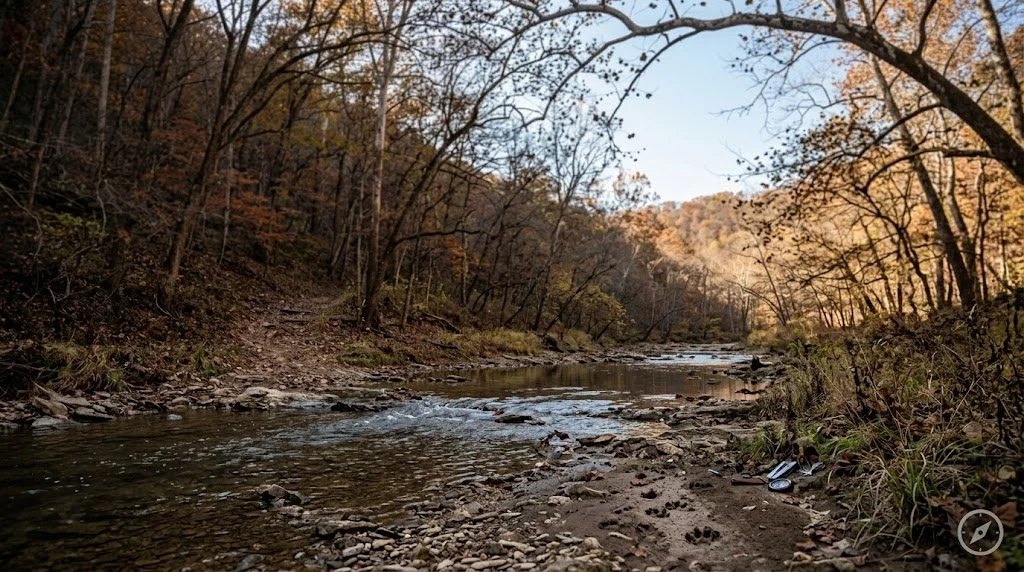
What You Can Hunt on Public Land in Missouri
Whitetail is the headliner. Missouri consistently ranks in the top ten nationally for total deer harvest and Boone and Crockett entries. The northern third of the state, roughly north of the Missouri River corridor, produces the largest antlers, driven by rich agricultural soils and diverse forage. The Ozarks produce slightly smaller deer on average, but offer a big-woods hunting experience with lower pressure and more solitude.
Turkey hunting in Missouri is elite. The state holds one of the largest Eastern wild turkey populations in the country, and the spring gobbler season draws hunters from across the Midwest. Nearly every MDC conservation area holds turkeys, and the Ozark ridges produce some of the most vocal, responsive birds you'll hunt anywhere.
Waterfowl hunters find strong public access on the Missouri River corridor, the managed wetlands at Bob Brown, Schell-Osage, Four Rivers, and Ted Shanks conservation areas, and around the major reservoirs. The Central Flyway pushes millions of ducks and geese through Missouri from October through January.
Small game includes squirrel (strong across the Ozark timber), rabbit, quail (recovering in the prairie regions), and dove. Feral hogs are present in parts of the Ozarks. MDC treats them as an invasive species and encourages harvest. You can take them year-round on MDC conservation areas during any open hunting season with no bag limit.
Missouri also offers a limited elk season at Peck Ranch (drawn tags), a growing black bear season in the southern Ozarks (drawn tags with preference points), and excellent trapping opportunities across the state.
Season Structure for Public Land Hunting in Missouri
Missouri's deer season structure favors the archery hunter:
Archery: Mid-September through mid-November, then reopens late November through mid-January. This covers the entire pre-rut, rut, and late season with a bow.
Firearms (November portion): 11 days starting the Saturday after Thanksgiving. Rifles are legal statewide. This is the one window where the woods get crowded.
Antlerless firearms: A short antlerless-only season early in November and again in late December.
Muzzleloader: One week immediately after the November firearms season.
Youth firearms: Two weekends, one before and one during the regular firearms season.
The 11-day firearms season is when Missouri conservation areas hunting gets the heaviest pressure. The archery season before and after firearms week draws a fraction of the crowd. If you can hunt weekday archery between October 15 and November 15, you'll have mature buck rut activity and minimal competition on most conservation areas.
Spring turkey runs from mid-April through early May, with separate youth and disabled hunter weekends preceding the general opener. Tags are available over the counter for residents and non-residents.
Bear season runs in October for a 10-day window with specific zone boundaries. Tags are drawn through a preference point system. Elk season at Peck Ranch issues a handful of tags annually through a separate lottery.
Access Tips for MDC Conservation Areas and Mark Twain National Forest
Telecheck is mandatory. Missouri requires electronic harvest reporting (Telecheck) for deer, turkey, and bear. Call or go online within 24 hours of harvest and before processing the animal. You'll get a confirmation number. Write it down and keep it with the animal. Wardens check.
No check-in system on most areas. Most MDC conservation areas don't require you to sign in before hunting. You park, walk in, and hunt. A few managed waterfowl areas require sign-in at the blind or marsh. Read the area-specific regulations page on the MDC website before your first trip.
Camping. Camping is allowed in designated areas of some MDC conservation areas, but many don't allow it at all. Check the specific area regulations. Mark Twain National Forest allows dispersed camping for up to 14 days, making it the best option for multi-day hunt-camp trips.
Rifles are legal for deer. Missouri allows centerfire rifles for deer hunting during the statewide firearms season. This is a big difference from neighboring Ohio, Indiana, and Illinois, which restrict firearms to shotguns or straight-wall cartridges. On public land, this means other hunters can reach out further, which affects deer behavior and your safety-zone planning.
Orange requirements. During firearms deer season, hunters must wear at least 400 square inches of blaze orange visible from all directions, including a hat. This applies to all hunters in the field during that window, even archery hunters.
Vehicle restrictions. In conservation areas, vehicles are restricted to designated roads and parking areas. Don't drive on gated roads, field edges, or two-tracks. Mark Twain has a more open road network, but many interior roads are seasonal or gated.
MDC Area Finder is your friend. The MDC website and app include a searchable database of all conservation areas with maps, acreage, species, regulations, and access points. Use it to filter by county, acreage, or species before your trip.
Gear Considerations for Public Land Hunting in Missouri
Missouri's terrain divides into two distinct environments, and your gear needs to handle both.
Ozark terrain boots. The southern half of Missouri is steep, rocky, and unforgiving on the ankles. Loose chert rock, cedar roots, and slippery creek crossings demand a boot with ankle support and aggressive tread. Danner Pronghorn in 400g or 800g handles the dry ridges. LaCrosse Alphaburly Pro handles the creek crossings and wet bottomland.
Farm country boots. Northern Missouri is flat, muddy, and wet in November. Rubber boots are the default for the farm-country conservation areas where you're walking through crop stubble and creek bottoms. The LaCrosse Alphaburly Pro covers this, too.
A mobile setup. MDC conservation areas don't require daily stand removal (unlike in Ohio), but most serious public-land hunters in Missouri run mobile anyway because the pressure shifts deer patterns week to week. A Tethrd Phantom saddle platform with sticks lets you adapt to where the deer are right now, not where they were opening weekend.
Binoculars. The Ozarks are tight timber where most shots happen under 40 yards, but the northern conservation areas sit in open farm country where glassing at 200 to 500 yards is standard practice. Vortex Diamondback HD 10x42 covers both situations and runs under $230.
A quiet outer layer. Whether you're brushing past cedar in the Ozarks or sitting at a timber edge in the north, a quiet outer shell matters. The KUIU Axis Hybrid jacket stays quiet against branches and sheds enough weather for Missouri's typically mild-to-cold November conditions.
Mapping app. onX Hunt with Missouri's conservation area boundaries loaded is essential. The MDC areas range from tiny 40-acre patches to 20,000-acre properties, and the boundaries on the small tracts are easy to miss on the ground. The digital line keeps you legal.
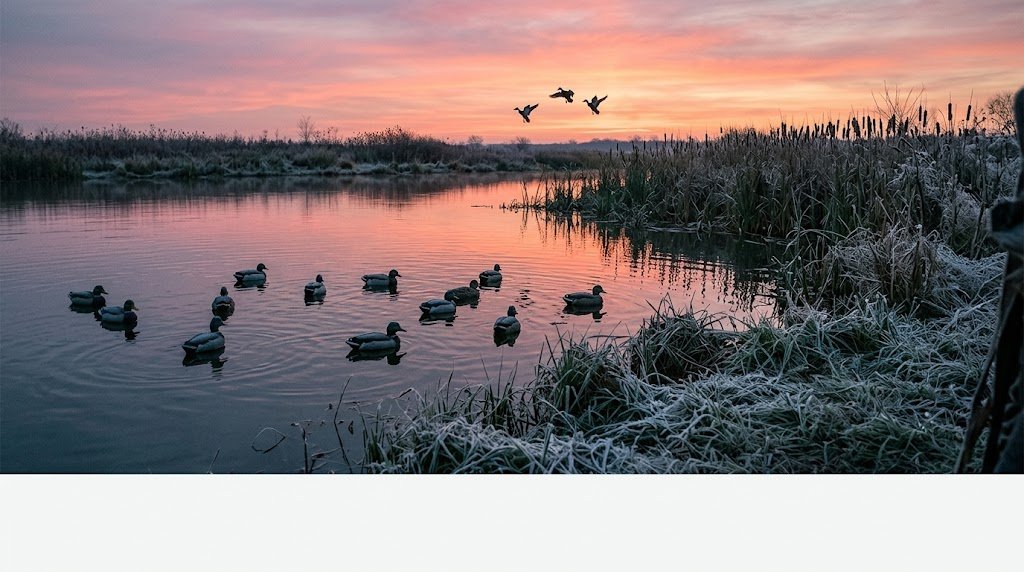
Finding Unpressured Ground on Missouri Conservation Areas
Missouri sells about 500,000 deer permits a year across a million acres of MDC land and 1.5 million acres of national forest. Pressure is real, especially during the November firearms season. Here's how to beat it.
Hunt the small areas. Everyone knows about the big conservation areas. The 10,000 and 20,000 acre properties show up on every list and draw the most hunters per acre. The 500 to 3,000-acre MDC areas scattered across every county get a fraction of the attention. Some of these small tracts sit in the best deer country in the state and see almost no hunting pressure during archery season. Use the MDC Area Finder to filter by acreage under 5,000 and look for tracts surrounded by agricultural land. Those are the ones that hold deer that feed on farms and bed on public ground.
Hunt the Ozark interior. On the Mark Twain National Forest and the big Ozark conservation areas, pressure drops off sharply past the first half mile from any road or parking area. The steep hollows, rocky creek crossings, and dense cedar breaks that most hunters avoid are exactly where mature deer retreat after opening weekend. Cross the creek, climb the far ridge, and hunt the terrain features the parking-lot crowd can't be bothered to reach.
Hunt weekday archery. Missouri's archery season runs from mid-September into mid-January with a break during firearms week. That's four-plus months of bow season. Midweek sits in any conservation area during October and November draws a fraction of the weekend pressure, and the deer respond to the lower disturbance by moving more freely during daylight.
For property-level terrain analysis before your trip, Hunting Scout builds interactive scouting reports from real USGS and NOAA data for any conservation area or national forest tract. The automated funnel detection and wind-scored stand picks give you a head start that takes locals years to build through boot scouting. Three free reports per month, no credit card required. [TODO LINK: e-scouting for deer hunting -> /field-notes/e-scouting-for-deer-hunting]
For properties you're considering for a lease or purchase adjacent to public ground, a drone-based assessment from ScoutFlight Hunting Assessments provides terrain, cover, and habitat analysis that boots-on-the-ground scouting alone takes multiple seasons to develop.
Frequently Asked Questions About Public Land Hunting in Missouri
How much public hunting land is in Missouri?
Missouri has roughly 2.5 million acres of public hunting land, combining MDC conservation areas (~1 million acres), the Mark Twain National Forest (~1.5 million acres), Corps of Engineers land, and National Wildlife Refuges. The MDC alone manages more than 1,000 individual conservation areas spread across every county in the state.
Do I need a special permit to hunt MDC conservation areas?
No. A valid Missouri hunting permit and the appropriate deer, turkey, or small game permit is all you need. There's no separate public land stamp or conservation area access fee. Some managed waterfowl areas have specific rules and blind assignments, but for deer, turkey, and small game, you park and hunt.
Can non-residents hunt Missouri public land?
Yes. Non-residents buy their permits over the counter with no draw or preference point requirements for deer and turkey. Non-resident firearms deer permits run $200, archery-only $100, turkey $125. You hunt the same conservation areas and national forest as residents with identical access. Missouri is one of the most non-resident-friendly states in the Midwest.
Can you use rifles for deer in Missouri?
Yes. Missouri allows centerfire rifles for deer hunting during the statewide November firearms season. There are no caliber restrictions. This sets Missouri apart from neighboring states like Ohio, Indiana, and Illinois, which restrict deer hunters to shotgun or straight-wall cartridge. On public land, be aware that rifle-equipped hunters nearby can shoot farther, which affects your safety planning and how deer respond to pressure.
Can you camp on MDC conservation areas?
It depends on the area. Some MDC conservation areas allow camping in designated spots, but many don't allow camping at all. Always check the specific area regulations on the MDC website before planning an overnight trip. The Mark Twain National Forest allows dispersed camping up to 14 days throughout the forest, making it the most flexible option for multi-day hunt-camp trips in Missouri.
When is the best time to hunt public land deer in Missouri?
The last week of October through the second week of November, during archery season. The rut is building and peaking, the archery crowd is a fraction of the firearms pressure, and mature bucks are moving during daylight. Weekday sits during this window on any MDC conservation area feels like private land compared to the Saturday after Thanksgiving.
What are the best counties for public land deer hunting in Missouri?
For trophy antlers on farm-country ground: Pike, Lincoln, Monroe, Shelby, and Macon counties in the northeast. For big-woods, lower-density mature bucks: Shannon, Carter, Oregon, and Texas counties in the Ozarks. For the best balance of deer quality and public access: Callaway, Gasconade, and Franklin counties in the central transition zone, where Ozark terrain meets farm country.
Does Missouri have elk or bear hunting on public land?
Yes to both, through limited-draw tags. Elk hunting takes place at Peck Ranch Conservation Area in Carter County, with a handful of tags issued annually through a lottery. Bear season runs 10 days in October in designated zones in the southern Ozarks, with tags drawn through a preference point system. Both require separate applications through the MDC. Start building bear preference points now if you're interested. The elk draw is a straight lottery with no preference.
Want the full breakdown of every MDC conservation area with maps and species data, plus the same for all 50 states? Subscribe to the LandsToHunt newsletter and get our free state-by-state public land hunting guides delivered to your inbox.
This guide includes affiliate links to tools and gear we recommend for hunting this state's public land. LandsToHunt.com earns a commission on qualifying purchases.
